




Quarter 1 (Jan–Mar): Winter and Interior Focus
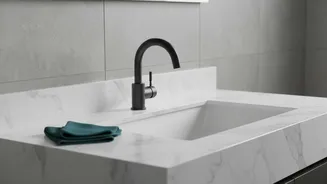
The start of the year is the perfect time for a thorough interior inspection. With cooler weather in many parts of India, it's a good time to check systems that work harder in the cold. Your primary focus should be on plumbing and water-related fixtures.
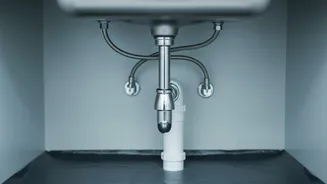
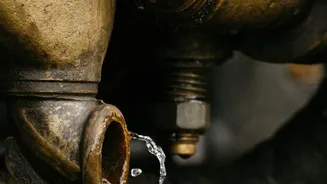
Inspect under all sinks and around toilets for any signs of slow leaks or water stains. Dripping faucets or running toilets should be addressed immediately; these small issues can waste significant water and hint at bigger problems. This is also a good time to inspect geysers and water heaters for any corrosion or leaks. A simple flush to remove sediment can prolong the life of the unit. Finally, walk through the property to check for any small cracks in the walls or ceilings that may have appeared, and test all smoke detectors and electrical outlets to ensure they are functioning correctly.
Quarter 2 (Apr–Jun): Pre-Monsoon Preparedness
As summer temperatures rise, the focus shifts to preparing the property for the upcoming monsoon season. This quarter is all about the exterior and preventing water from getting in. Start with the roof, inspecting for any loose or damaged tiles or shingles that could allow for leaks during heavy rains. Next, clean out all gutters and downspouts. Clogged gutters are a primary cause of water overflowing and seeping into walls or foundations. Check the seals around all windows and doors for any cracks or gaps and re-caulk where necessary to create a watertight barrier. It’s also wise to have air conditioning units serviced professionally before the peak heat and humidity set in. This ensures they run efficiently and prevents breakdowns when tenants need them most. Finally, trim any trees or large shrubs that are close to the building to prevent branches from damaging the structure during storms.
Quarter 3 (Jul–Sep): Monsoon Vigilance
Once the rains arrive, your maintenance plan becomes about vigilance and quick response. Regular communication with your tenants during this period is crucial; encourage them to report any signs of dampness or leaks immediately. After heavy downpours, conduct visual inspections of ceilings and walls, looking for tell-tale water stains or peeling paint, which indicate a water intrusion issue that needs immediate attention. Ensure that all drainage systems around the property are working effectively and that water is flowing away from the foundation. This is also a critical time to check for any signs of mould or mildew, particularly in bathrooms, kitchens, and areas with poor ventilation. Addressing these issues promptly prevents them from spreading and becoming a health hazard. It’s also important to check on common areas in a multi-unit building, ensuring lobbies and staircases are free from water hazards.
Quarter 4 (Oct–Dec): Post-Rainfall Recovery and Upkeep
As the monsoon recedes, this quarter is dedicated to repairing any damage and preparing for the year-end. Conduct a detailed inspection of the entire property, looking for any new cracks, paint damage, or signs of seepage that occurred during the rainy season. This is the time to carry out any necessary plastering or painting. With the dampness gone, it is an ideal time for deep pest control services, as pests may have sought shelter indoors during the rains. Inspect all wooden doors and windows, which may have swollen with the moisture and might now need minor adjustments to close properly. Test all electrical systems and appliances again, as the high humidity can sometimes affect them. Finally, use this time for general upkeep tasks like checking the grout in bathrooms and kitchens, tightening loose handles or knobs, and ensuring all light fixtures are in working order.