
The Plant-Based Iron Problem
Iron is a crucial mineral that our bodies use to create hemoglobin, the protein in red blood cells responsible for carrying oxygen. Without enough iron, you can feel fatigued, weak, and develop iron deficiency anemia. There are two types of dietary iron:
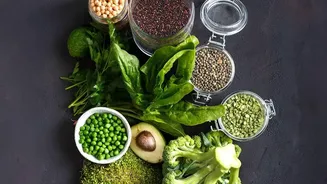
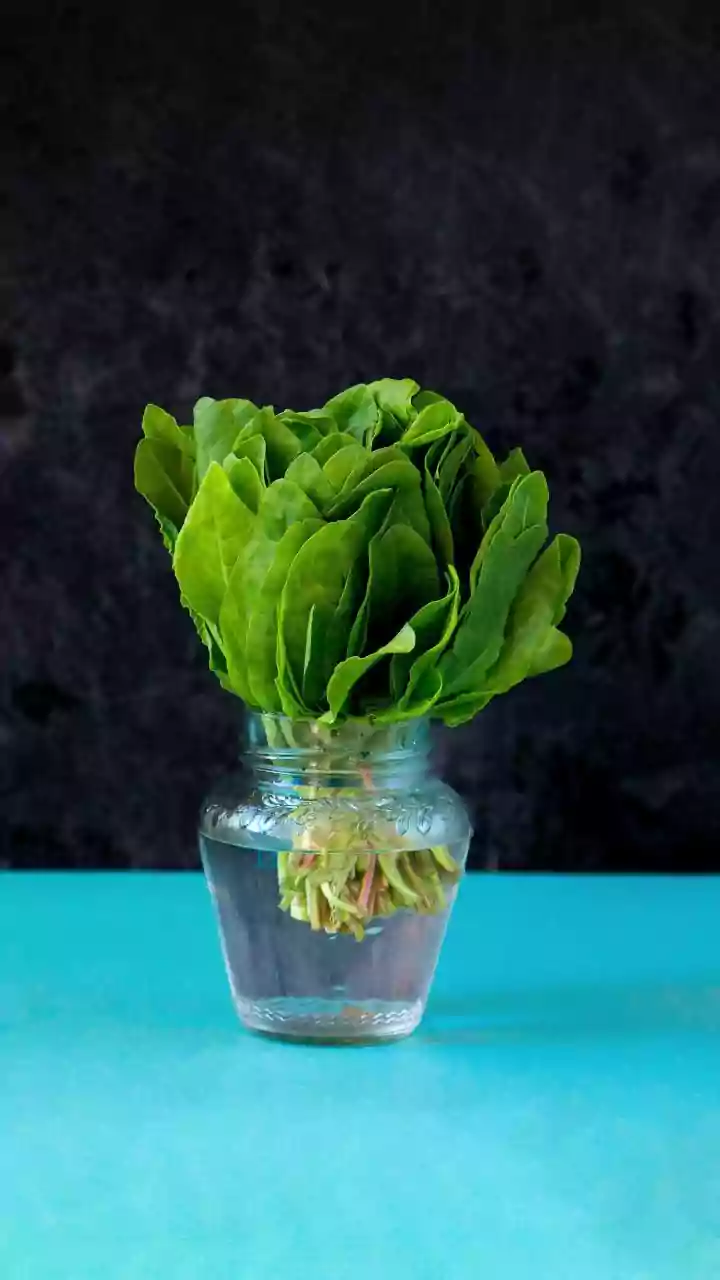
heme, found in animal products like meat and fish, and non-heme, found in plants. The challenge for vegetarians, vegans, and anyone relying on plant sources is that non-heme iron is significantly harder for the body to absorb. While your body can absorb up to 30-40% of heme iron, that number drops to between 2% and 10% for non-heme iron from foods like spinach, kale, and beans.
The Science: Why Vitamin C is Iron's Best Friend
This is where Vitamin C, also known as ascorbic acid, comes to the rescue. The science is surprisingly simple. Most non-heme iron is in a chemical state called ferric iron (Fe3+), which our gut struggles to take in. Vitamin C is a powerful antioxidant that converts this iron into the much more soluble ferrous state (Fe2+). This is the specific form that our intestines can easily absorb. Furthermore, Vitamin C creates a protective bond with the iron, forming a soluble chelate that prevents it from binding with dietary inhibitors in the digestive tract, ensuring it remains available for absorption.
How Much of a Boost Can You Expect?
The headline's claim of 'doubling' absorption is not an exaggeration; in many cases, the effect can be even more pronounced. Research has shown that Vitamin C is one of the most potent enhancers of non-heme iron absorption. Studies have demonstrated that adding Vitamin C can increase iron absorption multiple times over. For instance, one study noted that 100 milligrams of ascorbic acid increased iron absorption from a meal by more than four times. Another found that in certain contexts, Vitamin C can increase absorption by two to seven times depending on the meal's composition. For those on a plant-heavy diet, this simple pairing is one of the most effective strategies to boost iron status.
Delicious Ways to Pair Greens and Citrus
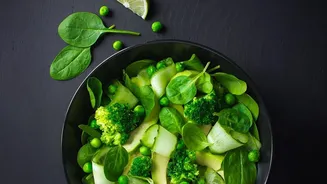
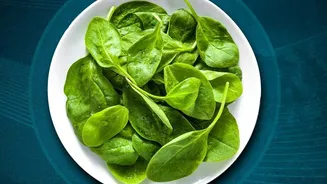
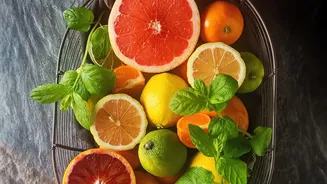
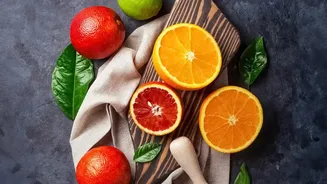
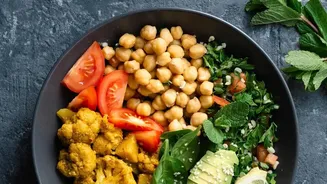
Putting this into practice is both easy and delicious. The goal is to consume your leafy greens and your vitamin C source in the same meal. The possibilities are endless and can easily fit into any meal of the day. A classic spinach salad becomes an iron-boosting powerhouse with a simple lemon-based vinaigrette. Tossing mandarin orange segments into a kale or arugula salad adds a sweet tang and unlocks more iron. You can also add a generous squeeze of lime over sautéed greens or blend a handful of spinach into a smoothie with strawberries or oranges for a nutrient-packed breakfast.
Beyond Citrus: Other Vitamin C Powerhouses
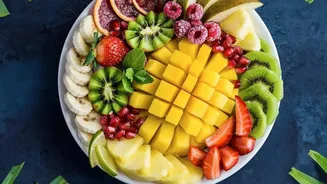
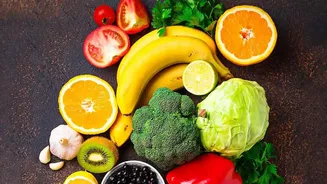
While citrus fruits like lemons, oranges, and grapefruits are fantastic sources of Vitamin C, don't limit yourself. Many other common fruits and vegetables are packed with this essential nutrient and work just as well. Bell peppers, especially the red and yellow varieties, are incredibly high in Vitamin C and can be sliced into salads or stir-fries with leafy greens. Other excellent partners for your iron-rich plants include broccoli, strawberries, tomatoes, kiwi, and Brussels sprouts. Broadening your options makes it even easier to ensure you’re consistently making this powerful food pairing.
What to Keep Separate from Your Iron
Just as Vitamin C enhances absorption, other compounds can inhibit it. It's wise to avoid consuming certain items at the same time as your iron-rich meal. The main culprits are phytates, found in whole grains and legumes, and polyphenols (like tannins) in coffee and tea, which can reduce iron absorption significantly. Calcium is another inhibitor that affects both heme and non-heme iron, so it might be best to separate your dairy or calcium supplements from your main iron-focused meals. You don't have to eliminate these foods, but rather time them strategically, such as enjoying your morning coffee at least an hour before your iron-rich breakfast.