

A Healthier, Guilt-Free Indulgence
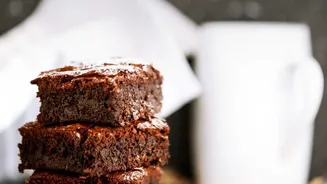
The classic brownie, while delicious, is traditionally made with refined all-purpose flour (maida) and sugar. In recent years, a wave of health-consciousness has swept through urban India, leading consumers to seek out healthier alternatives to their
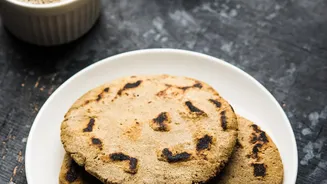
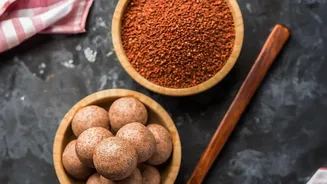
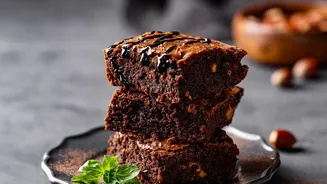
favourite foods. This is where millets step in. Finger millet (ragi) and sorghum (jowar) are nutritional powerhouses. Ragi is celebrated for being rich in calcium and iron, while jowar is a fantastic source of protein and dietary fibre. Both are naturally gluten-free, making them an excellent choice for those with gluten sensitivities or anyone looking to reduce their intake of refined grains. By incorporating these flours, bakers are transforming the humble brownie from a simple indulgence into a snack that offers genuine nutritional benefits, including better digestive health and the potential to help manage blood sugar levels.
The Baker's Creative Challenge
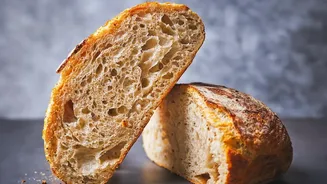
Swapping maida for millet flour isn't a simple one-to-one substitution. Millets fundamentally change the science of a recipe. Lacking gluten, which provides structure and elasticity, millet flours can result in a denser, sometimes drier, texture. This presents a creative challenge for bakers. The key is to find the right balance. Many bakers create a blend of ragi and jowar, or mix them with other gluten-free flours like almond or oat flour to achieve a better crumb. Since millet flours absorb more moisture, recipes must be adjusted, often requiring more liquid or fats like butter, oil, or even yoghurt to ensure a fudgy, moist outcome. Some bakers also use binding agents like xanthan gum or psyllium husk to replicate the effect of gluten and prevent the brownie from being too crumbly.
A Perfect Pairing of Flavours
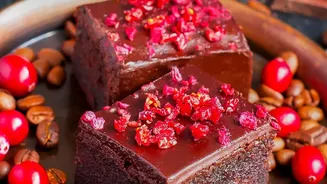
Perhaps the most delightful surprise of this trend is how well the flavours work together. Ragi has a distinct, earthy and nutty taste, while sorghum offers a milder, slightly sweet profile. When paired with the deep, rich bitterness of dark chocolate, these flavours don't just coexist—they enhance each other. The nuttiness of the millets complements the cocoa, creating a more complex and satisfying flavour profile than a standard brownie. To balance the sweetness, many bakers are also swapping refined sugar for natural alternatives like jaggery or coconut sugar, which add their own caramelly notes to the final product. The result is a brownie that is not only healthier but also boasts a uniquely delicious and sophisticated taste.
More Than Just a Passing Trend
The rise of the millet brownie is part of a larger cultural shift in urban India. After decades where processed and Western foods dominated, there is a growing movement to reconnect with indigenous ingredients and traditional food wisdom. This trend is visible on the menus of hip cafes, in the product lines of health-conscious food startups, and among home bakers across cities like New Delhi, Mumbai, and Bengaluru. Millets are not only good for us but also for the planet; they are hardy, climate-resilient crops that require less water than wheat or rice. By choosing a millet brownie, consumers are not just making a healthier choice for themselves but also supporting sustainable agriculture and a return to local food systems. This movement suggests that millets are here to stay, moving from a niche health food to a mainstream ingredient.