






Beyond Dirt: The Living Soil
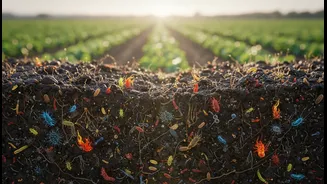
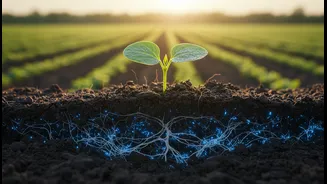
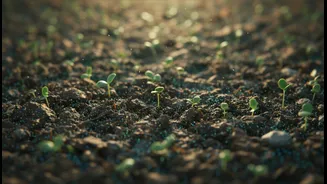
It’s a mind-boggling fact: a single teaspoon of healthy soil can contain more living microorganisms than there are people on Earth. For centuries, we have treated soil as an inert substance, a mere anchor for plant roots. But scientists and, increasingly,
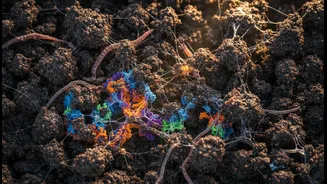
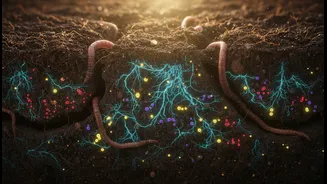
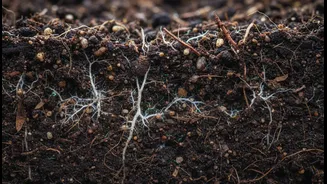
everyday people are now recognising it for what it is: a living, breathing ecosystem. This complex world is powered by a vast community of microscopic organisms, primarily bacteria and fungi. They are the invisible workforce that determines soil fertility, plant health, and even the nutritional quality of the food on our plates. This new understanding is shifting our perspective from simply using soil to actively caring for it.
Meet the Microbial Workforce
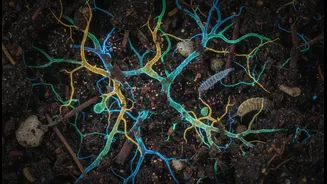
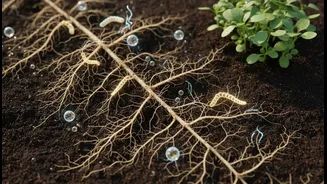
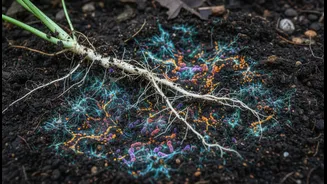
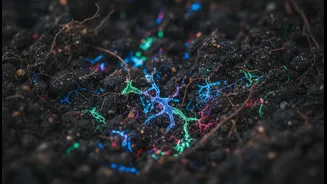
So, what do these beneficial bacteria actually do? Think of them as tiny, unpaid farmhands performing vital tasks 24/7. Their primary job is to act as nature’s recyclers. They break down organic matter—like fallen leaves and old roots—into simpler compounds. In doing so, they unlock essential nutrients like nitrogen, phosphorus, and potassium that are otherwise trapped in the soil, making them available for plants to absorb. Some bacteria, like Rhizobium, can even pull nitrogen directly from the atmosphere and 'fix' it in the soil for plants to use. This microscopic workforce also helps build better soil structure, improves water retention, and can even protect plants from diseases by outcompeting harmful pathogens.
The Soil Health Renaissance
Why is this once-obscure topic suddenly gaining so much attention? The rise of soil science in popular consciousness is linked to broader trends. In India and globally, there's a growing movement towards wellness, organic food, and sustainable living. Consumers are asking more questions about where their food comes from and how it's grown. Simultaneously, the challenges of soil degradation, water scarcity, and climate change have pushed farmers and policymakers to seek more resilient agricultural solutions. Regenerative agriculture, a system that focuses on rebuilding soil health, has become a significant part of this conversation in India. This approach, which often uses practices like minimal tillage and cover cropping, relies heavily on fostering a thriving soil microbiome.
From Lab to Garden Patch
The most exciting part of this trend is how the science is being made “shareable.” What was once confined to academic journals is now accessible to home gardeners and small-scale farmers. This is happening through a variety of channels. Companies are now marketing “soil probiotics” or microbial inoculants—liquid or powder products containing beneficial bacteria and fungi that can be added to soil. These products promise to restore life to depleted soils, much like human probiotics support gut health. In India, farmers are reviving traditional practices by creating microbial-rich concoctions like jeevamrit. Furthermore, workshops, social media influencers, and citizen science projects are helping to translate complex soil biology into practical, easy-to-follow advice, empowering anyone to become a steward of the soil.
A Healthier Planet, From the Ground Up
This growing awareness of soil's microbial life has implications that extend far beyond a prettier garden or a higher crop yield. Healthy, microbe-rich soil is better at storing carbon, pulling it out of the atmosphere where it contributes to climate change. It also improves water retention, which means farms are more resilient to drought—a critical benefit in a country like India that faces significant water stress. By reducing the need for chemical fertilizers and pesticides, this approach also helps protect our waterways and biodiversity. The shift towards appreciating our soil’s smallest inhabitants is not just about a new way to farm; it’s about fostering a more resilient and sustainable relationship with the planet.