



The Science of Feeling Good
Our deep-seated connection to nature is something scientists call the 'biophilia hypothesis'—the idea that humans have an innate tendency to connect with the natural world. When we bring plants indoors, we are satisfying this ancient craving. Studies
have shown that interacting with houseplants can lower stress hormones like cortisol, reduce blood pressure, and calm our nervous system. In one study, participants who spent a few minutes simply repotting a plant showed a significant drop in their stress response compared to those doing a task on a computer. Even having plants in a room can make you feel more soothed, comfortable, and at ease, helping to renew positive emotions and even increase productivity.
More Than Just Pretty Leaves
The simple act of caring for a living thing can be a powerful form of mindfulness. Watering, pruning, and watching a plant thrive provides a gentle routine and a tangible sense of accomplishment that can boost self-esteem. This nurturing activity gives our minds a break from digital screens and daily worries, grounding us in the present moment. Furthermore, some plants are known to improve indoor air quality by absorbing common pollutants, and while you'd need a jungle to truly purify a room, the psychological association between greenery and fresh air is powerful on its own. This connection to nature contributes to a healthier home environment, which in turn supports better mental well-being.
The Resilient Snake Plant
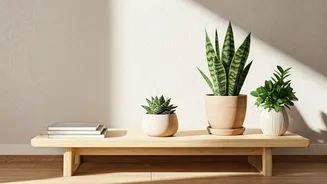
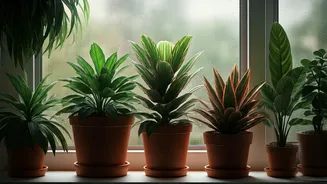
Known in some circles as the 'unkillable' plant, the Snake Plant (Sansevieria trifasciata) is perfect for beginners. Its striking, architectural leaves make a modern statement in any room. It tolerates low light and infrequent watering, thriving on a bit of neglect. A unique benefit is its ability to release oxygen at night, making it an excellent companion for the bedroom to promote a calming atmosphere for sleep.
The Auspicious Money Plant
Arguably the most common houseplant in Indian homes, the Money Plant (Epipremnum aureum) is beloved for its resilience and the belief that it brings good fortune. This hardy vine can grow in both soil and water, and its heart-shaped leaves trail beautifully from shelves and hanging baskets, softening the lines of a room. It's incredibly easy to care for and is great at filtering indoor air pollutants.
The Elegant Peace Lily
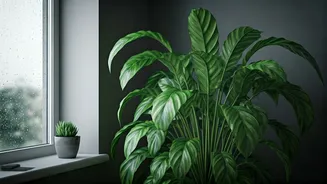
With its lush, dark green leaves and sophisticated white blooms, the Peace Lily (Spathiphyllum) adds a touch of grace to any space. It’s also an excellent communicator; it visibly droops when it needs water, taking the guesswork out of your watering schedule. It prefers medium to low light and is known for its ability to remove common toxins from the air.
The Tropical Areca Palm
For a touch of lush, tropical luxury, the Areca Palm (Dypsis lutescens) is an ideal choice. Its feathery, arching fronds can transform a bare corner into a vibrant focal point. These plants do well in bright, indirect light and also act as natural humidifiers, which can be a boon in dry indoor environments. They are excellent air purifiers, adding to the feeling of a fresh and healthy space.
Styling Your Greens for Happiness
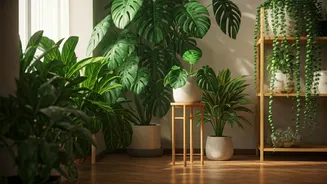
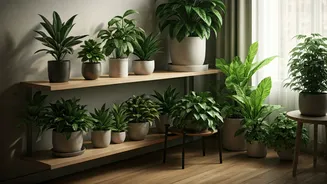
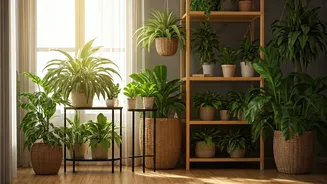
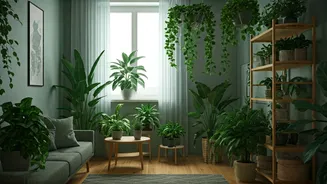
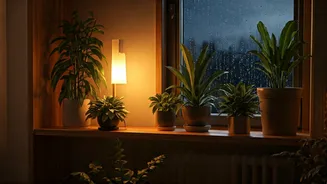
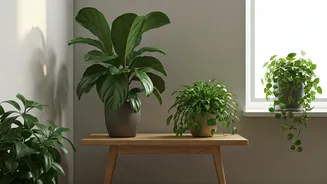
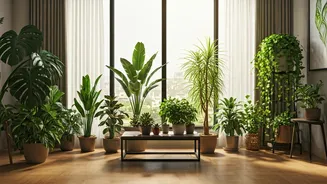
How you arrange your plants can amplify their mood-boosting effects. Group plants of different sizes and textures together to create a small 'green corner' that feels like a mini-escape. Place them in rooms where you spend the most time, such as your living room or home office, to maximize their restorative benefits. A plant on your desk can help sharpen your attention and creativity, while a trailing plant on a high shelf adds a dynamic, living element to your decor. The goal is to integrate nature into your daily sightlines, creating a constant, gentle reminder of the calm and beauty of the outdoors.