



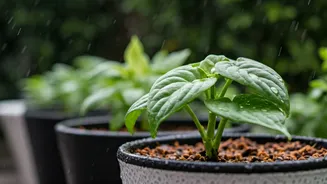


Built for the Indian Monsoon
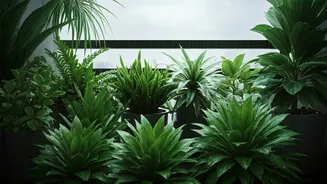
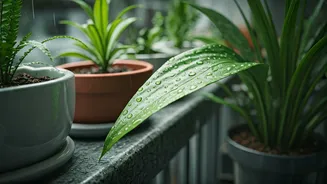
The single biggest advantage of native plants is their perfect adaptation to our local climate. They have spent thousands of years evolving to thrive in India's specific weather patterns, including the intensity of the monsoon. While delicate exotic plants might
struggle with waterlogged soil and root rot from the constant downpours, native species are genetically programmed to handle it. Their root systems are designed for local soil types and rainfall volumes. This means they are less likely to drown or suffer from fungal infections that plague non-native varieties during wet weather. For you, this translates into healthier plants and far less stress trying to keep them alive.
A Low-Maintenance Dream
Because they are already in their ideal environment, native plants are incredibly self-sufficient. They are naturally resilient to the local pests, fungi, and diseases. This significantly reduces the need for chemical pesticides and fungicides, making your balcony a safer and more organic space. Furthermore, they are adapted to the nutrient levels of local soil, so they don’t require a constant supply of expensive, specialised fertilisers to flourish. Once established, many native plants can thrive with minimal intervention. During the monsoon, they will happily drink up the rainwater, saving you the task of watering them. It’s the closest you can get to an effortless garden.
Create an Urban Oasis for Wildlife
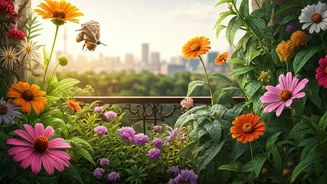
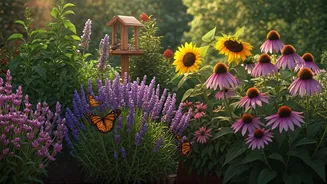
Your balcony can become a vital pit stop in a sprawling urban landscape. Native plants provide the specific food and shelter that our local birds, bees, butterflies, and other insects need to survive. A pot of brightly coloured Marigolds (Genda) or a flowering Hibiscus (Gudhal) doesn't just look good; it acts as a landing pad and a source of nectar for pollinators. Planting a Jasmine (Mogra) vine provides both fragrant flowers for you and a food source for moths. By choosing native species, you are actively participating in conservation, helping to restore a small piece of the local ecosystem and supporting the biodiversity that is often pushed out of our cities.
Celebrate Authentic Indian Beauty
There's a unique and profound beauty in cultivating plants that belong to the land. The fragrance of a rain-drenched Mogra, the vibrant orange of a Genda in full bloom, or the sight of a sunbird sipping nectar from a Hibiscus flower connects us to our natural heritage. These plants are woven into our culture, traditions, and even our kitchens. Choosing native species over generic foreign ornamentals is a way to celebrate this regional identity. Your balcony becomes a reflection of the local landscape, a garden that is not just in India, but of India. This authenticity brings a sense of place and connection that an imported fern or succulent simply cannot offer.
Great Native Plants to Get You Started
Ready to go native? Here are a few hardy, pot-friendly plants that are perfect for Indian balconies. Remember to ask your local nursery for species native to your specific city or state. * **Tulsi (Holy Basil):** A must for its aromatic leaves and cultural significance. It loves sun and well-drained soil. * **Marigold (Genda):** These cheerful, sunny flowers are easy to grow and act as a natural pest deterrent. * **Jasmine (Mogra/Chameli):** Known for its intoxicating fragrance, especially on humid monsoon evenings. Many varieties can be grown as manageable bushes or climbers. * **Curry Leaf (Kadi Patta):** An essential for any Indian kitchen, this plant is remarkably easy to maintain in a pot and thrives during the rains. * **Hibiscus (Gudhal):** With its large, dramatic flowers, Hibiscus adds a tropical touch and is a magnet for pollinators like sunbirds. * **Periwinkle (Sadabahar):** Extremely hardy and available in shades of white and pink, this plant flowers year-round with almost no care.