

Minimalism is sweeping through modern Indian homes, but how do you embrace simplicity without losing cultural identity? The answer lies in our rich heritage: handcrafted items that infuse minimalist spaces with story, warmth, and soul.
The Soulful Side of Minimalism
Minimalism in the
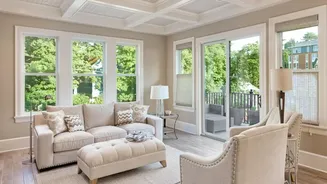
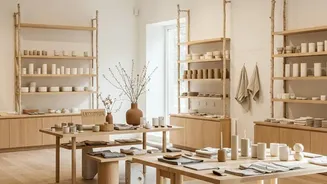
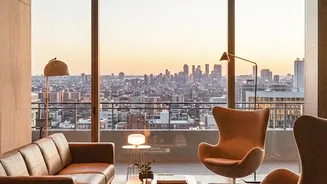
Indian context is not about creating stark, empty spaces. It’s about intentionality—a move away from clutter towards a home filled only with things that are beautiful, functional, or deeply meaningful. This 'warm minimalism' embraces neutral palettes, natural light, and open layouts, creating a sense of calm. However, a purely minimalist space can sometimes feel cold. This is where handcrafted heritage pieces come in. They don't clutter the space; they complete it, providing a focal point that is rich with history and human touch. This blend creates a home that is both modern and rooted, simple yet soulful.
A Statement Piece Tells a Story
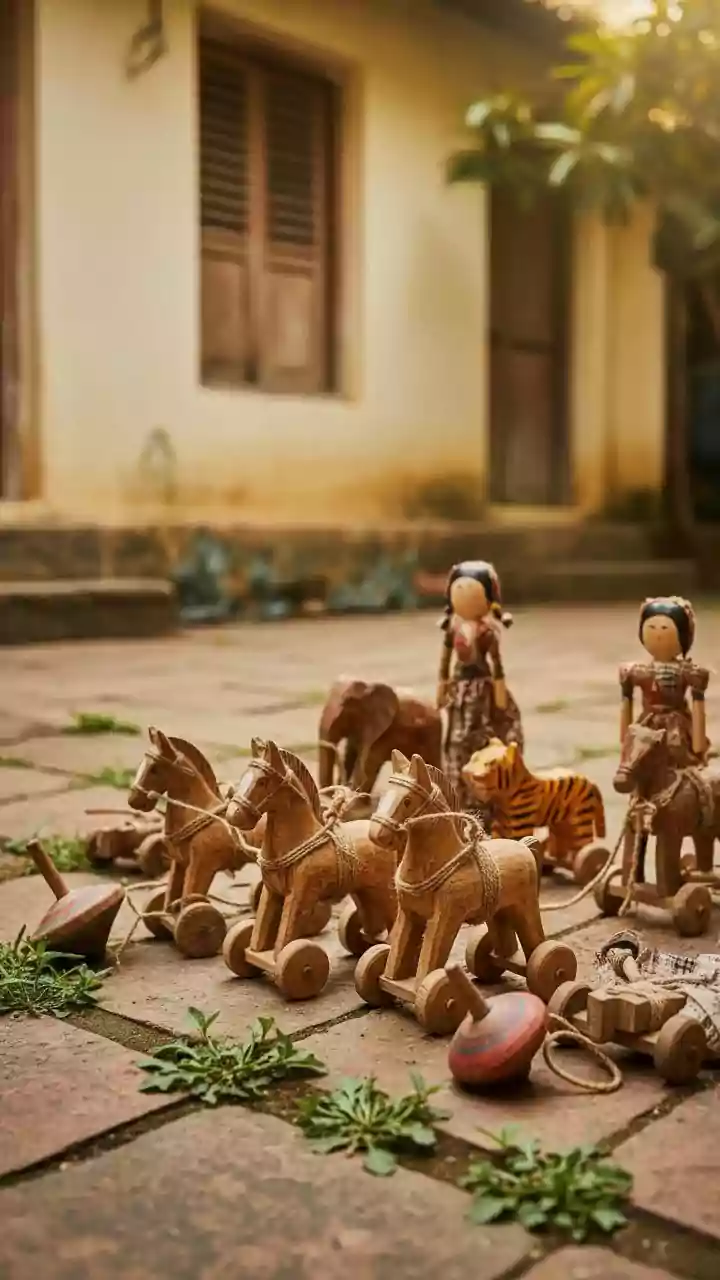
Instead of filling a room with many small decorations, the minimalist approach favours a single, impactful statement piece. This is where Indian craftsmanship truly shines. Imagine a hand-carved wooden jhoola in a corner, a large Pichwai painting on a bare wall, or an intricate Bidriware vase on a simple console table. These items do more than just decorate; they carry stories of generations of artisans and cultural traditions. A Dhokra figurine from Bastar or a striking piece of Bastar iron art, for example, can become a powerful conversation starter, its rustic form creating a beautiful contrast against smooth, modern surfaces. Choosing one significant item ensures it gets the attention it deserves, anchoring the room with personality and heritage.
Weaving in Warmth with Textiles
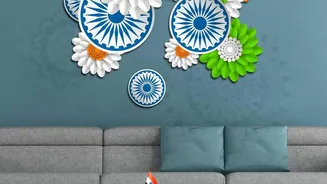
Textiles are perhaps the easiest and most effective way to introduce heritage into a minimalist interior. Modern furniture with clean lines, like a simple grey or beige sofa, serves as a perfect canvas for vibrant, handwoven fabrics. A hand-embroidered Kantha throw, a set of Ikat-print cushions, or a handwoven rug can instantly add colour, texture, and warmth. These textiles, often made with natural fibres like cotton, silk, and wool, bring a tactile softness that balances the hard edges of minimalist design. By swapping mass-produced synthetic fabrics for authentic Indian handlooms, you not only elevate your decor but also support sustainable artisan practices.
The Earthy Appeal of Metal and Clay
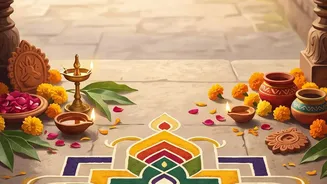
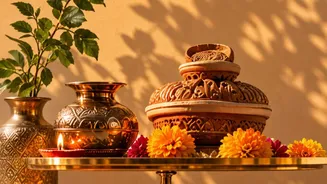
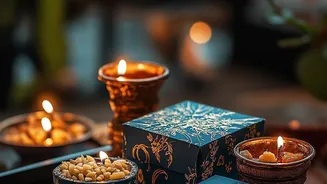
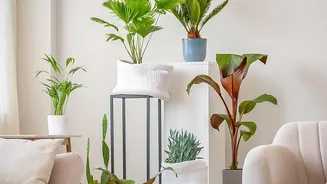
Small touches can make a big impact. Groupings of terracotta planters on a balcony, a gleaming brass urli filled with water and petals on a coffee table, or elegant Kadam wood decor items on a shelf can infuse a space with an earthy, organic feel. Crafts like Jaipur's blue pottery, Khurja's ceramics, and the gleaming metalwork of brass and bronze bring a raw, natural element indoors. These materials connect a modern home to the elements, providing a grounding counterpoint to glass and steel. A few wellchosen brass or clay pieces can add a layer of authenticity and craftsmanship without disrupting the clean, uncluttered aesthetic.
Finding the Right Balance
The key to successfully merging heritage and minimalism is balance. Start with a neutral colour palette for your walls and large furniture. This creates a calm backdrop that allows your handcrafted pieces to stand out. Be intentional and curate, don't crowd. Give each heritage item its own breathing room to let its craftsmanship shine. Mix materials by pairing a traditional wooden chest with a sleek modern lamp or placing a brass accessory on a glass table. This juxtaposition of old and new, rustic and refined, is what creates a dynamic and deeply personal space that feels uniquely Indian and entirely modern.