







The Big Shift: Front-of-Pack Warnings
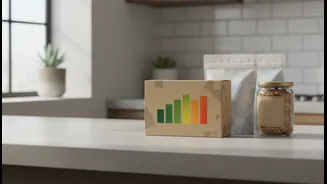
For years, the important nutritional details of a product were hidden in a complex table on the back of the pack. FSSAI's new system, known as Front-of-Pack Labelling (FOPL), changes that. The goal is to give consumers a quick, at-a-glance summary of a product's
health profile right on the front. This move is a response to rising public health concerns and aims to simplify healthy choices. The main targets are foods High in Fat, Sugar, or Salt (HFSS). Products exceeding certain limits for these ingredients will now have to display clear warning labels. Think of it as a traffic signal for your groceries, helping you spot unhealthy options faster.
Meet the Indian Nutrition Rating (INR)
One of the key proposals is the Indian Nutrition Rating (INR) system. This model rates the overall nutritional value of a packaged food item, assigning it a rating from a half-star (least healthy) to five stars (healthiest). The rating is calculated based on a product's energy, saturated fat, sugar, and sodium content. It also considers positive nutrients like protein, fibre, and the presence of fruits, vegetables, nuts, and millets. A product with a low score and fewer stars is likely high in unhealthy ingredients, while a high-star product is a better choice. This system makes comparing two similar products, like different brands of breakfast cereal, incredibly simple.
Your New Supermarket Strategy
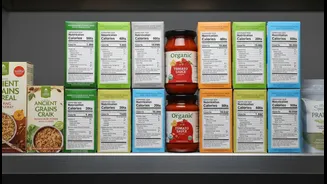
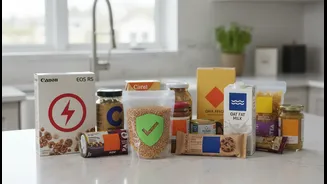
So, how do you use this in the real world? Start with a quick scan. When you're in a hurry, the front-of-pack label is your best friend. Use the star ratings or warning labels to make rapid comparisons. If you’re choosing snacks for your family, you can immediately eliminate items that are flagged as high in sugar or have a very low star rating. This 'quick-scan' method helps you make a better choice without spending minutes decoding fine print. For young shoppers and students often buying ready-to-eat meals or beverages, this visual cue is a game-changer for avoiding products loaded with hidden sugars and fats.
Don't Ignore the Back of the Pack
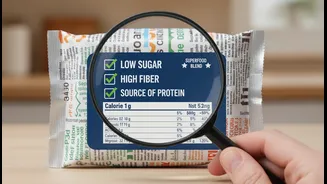
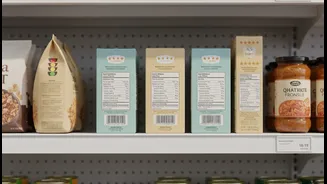
While the new front labels are a fantastic shortcut, the detailed nutritional information panel on the back remains crucial. This is where you'll find the complete ingredient list, which is always listed in descending order by weight. If sugar, salt, or maida (refined flour) are among the first few ingredients, it’s a red flag. The back label also contains vital information on serving sizes, which can be misleading. A company might list nutritional values for a tiny serving size, making the product appear healthier than it is if you consume the whole package. Also, check for allergens, preservatives, and artificial additives.
Making Smarter, Healthier Choices
These new labels empower you to look past marketing claims like "natural" or "healthy" which can often be misleading. A fruit juice that boasts of being "natural" might still be flagged for high sugar content on its front label. By combining the quick insight from the front-of-pack label with a detailed check of the ingredients list on the back, you get a complete picture. For young consumers and families, this means being able to actively choose products that are lower in salt and unhealthy fats, and higher in beneficial nutrients like fibre. This simple shift in shopping habits can contribute significantly to better long-term health, helping manage risks associated with lifestyle diseases.