





How Dry Air Sabotages Your Skin
First, let's talk about the enemy: dry air. When humidity drops, the air acts like a magnet for moisture, pulling it from wherever it can—including your skin. This process, known as transepidermal water loss, weakens your skin's natural protective layer,
often called the moisture barrier. This barrier is a crucial mix of lipids (oils) and skin cells that keeps moisture in and irritants out. When it's compromised by dry weather, your skin can become dehydrated, flaky, more sensitive, and prone to redness. Indoor heating only makes matters worse, further lowering humidity and constantly drawing moisture from your skin.
The Problem with Foaming Cleansers
Many of us love the rich lather of a foaming cleanser because it makes skin feel 'squeaky clean'. But that feeling is often a red flag. These cleansers typically get their bubbling power from surfactants, which are detergents designed to break down oil and dirt. While effective, some harsh surfactants like Sodium Lauryl Sulfate (SLS) can be too aggressive. They don't just remove makeup and grime; they also strip away the natural oils that are essential for a healthy moisture barrier. This leaves your skin vulnerable, especially in dry conditions, leading to that uncomfortably tight sensation and increased dryness.
The Gentle Power of a Cleansing Balm
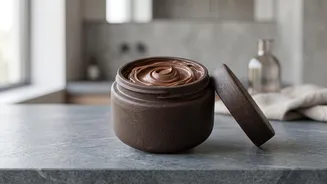
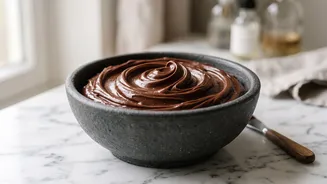
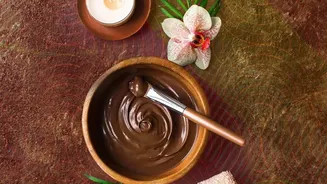
This is where cleansing balms shine. Instead of relying on harsh, stripping surfactants, balms are built on a different principle: 'oil attracts oil'. They are solid or semi-solid oil-based formulas that melt upon contact with your skin. As you massage the balm, its nourishing oils dissolve everything on the surface—stubborn waterproof makeup, sunscreen, pollution, and excess sebum—without disrupting your skin's delicate lipid barrier. They contain emollients that soften the skin and often include an emulsifier, which allows the oil to mix with water and rinse away cleanly without leaving a greasy residue.
Stripped and Tight vs. Soft and Hydrated
The fundamental difference lies in what each cleanser leaves behind. A harsh foaming wash can leave your skin stripped of its defenses, forcing it to work overtime to repair its moisture barrier. In dry weather, this is a losing battle, resulting in a cycle of dehydration and irritation. A cleansing balm, however, cleanses effectively while respecting the skin barrier. By leaving the skin's natural oils largely intact, it helps your face stay soft, supple, and better equipped to retain moisture from the serums and creams you apply afterward. The result is skin that feels clean yet comfortable and hydrated, not tight and begging for relief.
How to Make the Switch
Making a cleansing balm part of your routine is simple. Start by scooping a small amount and warming it between your dry fingertips. Gently massage it onto your dry face in circular motions, focusing on areas with heavy makeup. Let the balm melt everything away. Then, wet your hands and continue massaging; the balm will emulsify into a milky consistency. Rinse thoroughly with lukewarm water and pat your skin dry. For those with very oily skin or who love an extra-clean feeling, you can follow up with a gentle, hydrating, non-foaming cleanser. This two-step process is popularly known as 'double cleansing'.