




The End of the ‘Off-Season’
Not long ago, the monsoon months from June to September were considered India’s travel off-season. Tourists typically avoided the rains, leading to empty hotels and discounted flights. That logic is now outdated. A combination of factors, including the rise
of remote work, a post-pandemic urge for frequent getaways, and the visual appeal of rain-washed landscapes on social media, has turned the monsoon into a sought-after travel window. Destinations once considered seasonal are now reporting healthy occupancy rates of 60-75%, a significant jump from pre-pandemic averages of 40-50%. This shift, driven by Gen Z and Millennial travelers seeking shorter, more frequent “mini-cations,” means the traditional concept of an off-season is quickly vanishing.
Hotspots and Headaches
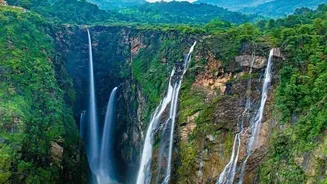
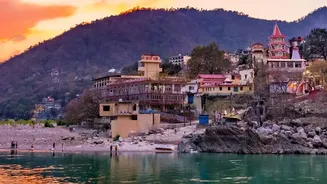
The travel boom is most apparent in classic monsoon destinations. In the south, places like Munnar, Wayanad, and Coorg are seeing huge booking spikes. Wayanad's hotel bookings, for instance, grew by more than 160% year-on-year. In the north, hill stations like Rishikesh and Mussoorie have seen searches increase by over 150%. Even Goa, once a quiet monsoon retreat, recorded over 110% growth in hotel bookings. While this proves the allure of a greener India, it also creates new challenges for travelers. The former perks of off-season travel—deep discounts, solitude, and last-minute availability—are being replaced by competitive booking environments, higher-than-expected prices, and crowded attractions.
The New Calculus of Booking Ahead
The central question for travelers now is: what is the value of booking in advance? Previously, booking early for the monsoon season was unnecessary and often counterproductive, as last-minute deals were plentiful. Today, the value proposition has flipped entirely. The primary benefit of booking ahead is no longer about securing the absolute cheapest price, but about guaranteeing availability and avoiding the dramatic price surges that now characterize the final weeks before travel. With the pricing gap between peak and off-peak seasons narrowing, booking ahead has become a defensive move to lock in a reasonable rate before dynamic pricing algorithms kick in and push fares and room rates to premium levels.
Flights vs. Stays: A Split Strategy
Not all bookings are created equal. For flights, domestic routes during the monsoon can still see fare drops of 30-50% compared to peak winter prices, but the sweet spot for booking is shrinking. Experts suggest booking domestic flights around 21-28 days in advance for the best prices. Waiting until the last week can see prices spike dramatically. For accommodation, the strategy is different. The most sought-after properties—boutique hotels, unique homestays, and luxury resorts—are the first to sell out. For these, booking 6-8 weeks, or even further in advance for popular long weekends, is essential. The era of assuming you can find a great room upon arrival in places like Coorg or Rishikesh during the monsoon is over.
Your Monsoon Booking Playbook
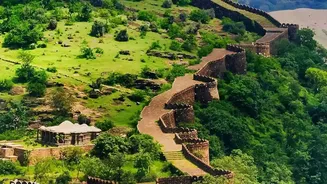
Navigating this new travel landscape requires a smarter approach. First, identify your destination type. For hyper-popular spots like Wayanad, Goa, or the Himalayan foothills, treat the monsoon like a peak season and book accommodation two to three months out. For flights, set fare alerts and be prepared to book around one month before your travel date. Second, embrace flexibility. Mid-week travel is often cheaper than flying or checking in on a Friday. Consider exploring emerging monsoon destinations like the Northeast, which has seen a 62% increase in flight bookings, or less-crowded corners of Rajasthan like Udaipur, which offers a different kind of rainy-season charm. Finally, travel insurance is more important than ever, not just for cancellations but for potential delays, especially if flying through high-rainfall airports like Mumbai or Goa.