





A Generation Grounded by Anxiety
The travel industry has long banked on the wanderlust of the young. But the SITA 2026 Passenger IT Insights report, which surveyed nearly 8,000 travellers across 24 countries, paints a concerning picture. It found that more than half of all passengers
under the age of 30 have decided against a trip specifically because they anticipated it would be too stressful. This trend signals a significant commercial threat to airlines and airports, as it impacts the next generation of frequent flyers whose spending habits will shape the industry for decades to come. Overall, 42% of all travellers surveyed have cancelled a trip due to stress, but the heightened percentage among younger demographics highlights a crucial generational divide in how people approach the challenges of modern travel.
The Anatomy of Travel Stress
So, what exactly is causing this trip-cancelling tension? According to SITA, the primary culprits are operational uncertainties. Delays, long queues, and baggage-related worries are the top stressors cited by passengers. For younger travellers, who have grown up with digital immediacy, the lack of control and transparency in the travel process can be particularly jarring. The report highlights that the period between clearing security and boarding the plane has become a major anxiety hotspot, with a third of passengers now feeling anxious during this time—three times the number reported in 2023. This 'dwell time', which airports see as a prime commercial opportunity, is instead becoming a period of intense worry about making connections, finding the gate, and potential last-minute changes.
The Technology Paradox
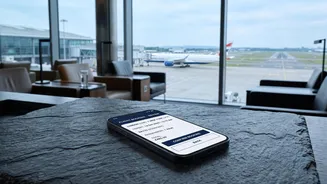
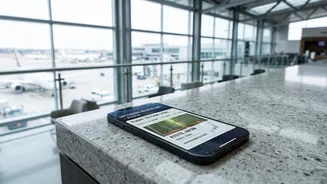
Interestingly, the very demographic most stressed by travel is also the most optimistic about a solution: technology. The SITA study found that a staggering 86% of travellers under 30 believe technology can help ease their travel-related anxiety. This creates a fascinating paradox. While the proliferation of booking apps, digital passes, and constant notifications can sometimes add to the mental load, younger passengers see technology as the fundamental answer to the industry's friction points. They aren't looking for less tech; they are looking for better, more integrated tech. They want systems that provide real-time updates, predict waiting times, and offer seamless control over their journey from their smartphone. Four in 10 passengers even said they would trust real-time updates generated by AI.
A Wake-Up Call for the Industry
The findings are a clear wake-up call for an industry focused on recovery and growth. SITA's CEO, David Lavorel, notes that each trip lost to stress represents 'a seat filled, a parking space sold and a coffee bought'. The financial incentive to address passenger anxiety is immense. The report suggests that the solution lies in data sharing and communication. When airlines, airports, ground handlers, and border agencies work together to provide passengers with a single source of truth—notifying them instantly about a gate change, a delay, or the location of their bags—it restores a sense of control. The United Arab Emirates is cited as a positive example, where 77% of passengers used technology at border control and only 13% reported negative emotions, compared to 37% globally. By investing in a smoother, more transparent digital journey, the industry can not only reduce stress but also win back the trust and business of its most valuable future customers.