







Just when Australian cricket thought the ghosts of Cape Town were buried, they have been dramatically resurrected. Former Test bowler Chadd Sayers has publicly disputed captain Pat Cummins’ account of the 2018 sandpapergate scandal.
An Old Wound Reopened
Speaking to SEN Radio,
Chadd Sayers, a member of the 2018 touring party in South Africa, claimed that 'everyone' in the Australian dressing room was aware of the ball-tampering plot. His comments directly challenge the official narrative that only three players—Steve Smith, David Warner, and Cameron Bancroft—were involved. Sayers, who played his only Test in the match following the infamous Cape Town incident, stated he is 'comfortable' saying that the entire side knew what was happening. This explosive claim supports recent assertions made by Usman Khawaja in his autobiography and subsequent comments from David Warner, adding another layer to a controversy that refuses to die.
The Captain’s Fierce Denial
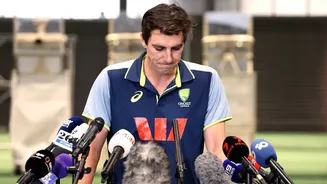
Sayers’ comments are a direct rebuttal to those made by current Australian captain Pat Cummins just days earlier. In a lengthy press conference, Cummins vehemently denied allegations from Khawaja's book, labelling them 'complete and utter nonsense'. Cummins, who was a key bowler in the 2018 squad, has consistently maintained since the scandal broke that he and the other bowlers had no knowledge that a foreign substance was being used to alter the ball. He specifically stated that if Khawaja’s claim meant the bowlers knew sandpaper was on the field, it was '100% wrong'. The captain's firm stance aims to protect the integrity of the current team leadership, but Sayers' contradiction has now publicly pitted past teammates against each other.
Rewind to Cape Town 2018
The sandpapergate scandal erupted in March 2018 during the third Test against South Africa. Television cameras caught junior batsman Cameron Bancroft attempting to scuff the ball with a small, yellow object later confirmed to be sandpaper. When he realised he'd been spotted, he hastily hid the object in his trousers. In the ensuing investigation by Cricket Australia, captain Steve Smith and vice-captain David Warner were implicated in the plan. The fallout was immense: Smith and Warner received unprecedented 12-month bans from international and domestic cricket, while Bancroft was suspended for nine months. Coach Darren Lehmann also resigned, and the incident forced a painful reckoning with the team's 'win-at-all-costs' culture.
The Lingering Question: Did the Bowlers Know?
From the very beginning, the official finding that only three players were involved has been met with widespread scepticism in the cricket world. Many former players, including Michael Clarke and Mitchell Johnson, have publicly questioned how a bowling unit could be unaware that the condition of the ball—their primary tool—was being illegally altered. Bowlers are notoriously sensitive to the state of the ball, as its condition dictates how it will swing through the air. Sayers' assertion that discussions about using sandpaper to achieve reverse swing happened in the dressing room gives fresh ammunition to those who believe the official investigation was incomplete. David Warner recently fanned the flames by questioning why the bowlers were apparently not interviewed during the initial inquiry, calling it a potential 'cover-up'.
A Scar That Refuses to Heal
More than eight years later, sandpapergate remains a deep scar on Australian cricket. Cummins, as captain, has worked to cultivate a new team image, but the persistent questions surrounding the 2018 scandal undermine those efforts. Each new revelation, from Khawaja's book to Sayers' interview, fractures relationships and creates warring factions among a generation of Australian players. Cricket Australia has stated it will not reopen the investigation, but the conflicting accounts from players who were in that dressing room ensure the story remains front-page news. It has evolved from a simple case of cheating into a complex saga about truth, responsibility, and who was ultimately made a scapegoat for a team-wide failure.