



What Exactly Is a Dark Store?
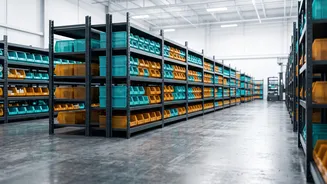
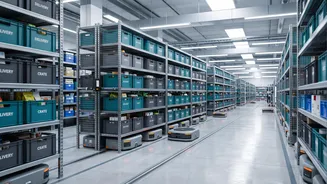
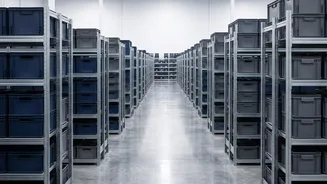
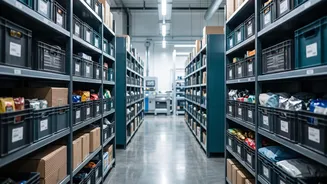
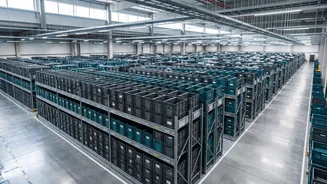
A 'dark store' isn't a retail location; it's a small, exclusive warehouse designed only for fulfilling online orders. Typically ranging from 2,000 to 5,000 square feet, these spaces are closed to the public and optimised for one thing: speed. Inside,
you won't find shopping aisles or cash counters. Instead, shelves are arranged by how frequently items are picked, with essentials like milk and bread placed closest to the packing stations to cut down fulfilment time to mere minutes. The term 'dark' simply means it's not a customer-facing shop. These micro-fulfilment centres are the engines of quick commerce, making the 10-minute delivery promise by platforms like Blinkit, Zepto, and Swiggy Instamart a logistical reality.
The Undisputed Hub of Indian Quick Commerce
Bengaluru has more dark stores than any other city in India, solidifying its status as the country's quick-commerce capital. As of July 2026, the city was home to 629 dark stores, accounting for over 11% of the national total. This dense concentration is no accident. The city's demographic of young, tech-savvy professionals in dual-income households, who value time and convenience, creates the ideal customer base. This, combined with high apartment density, makes last-mile delivery incredibly efficient. The competition is fierce, with all major players—Blinkit (165 stores), Zepto (159), Swiggy Instamart (116), BigBasket (95), and Flipkart Minutes (94)—vying for dominance, making it the most evenly contested market in India.
The Real Estate Scramble
The operational model of quick commerce hinges on proximity. To meet a 10-minute deadline, a dark store must be located within a 2-3 kilometre radius of its customers. This has ignited a real estate scramble in Bengaluru's dense residential neighbourhoods like Koramangala, HSR Layout, and Indiranagar. Quick commerce companies are aggressively leasing ground-floor commercial spaces, old godowns, and even defunct retail shops. This demand has driven up rental values for suitable properties by as much as 20-25%, with landlords earning significantly higher returns compared to leasing to traditional retailers. For property owners, these companies are attractive tenants who sign long leases, but the market is also volatile, with platforms constantly re-evaluating and shifting their service zones.
Reshaping Neighbourhoods and Creating Jobs
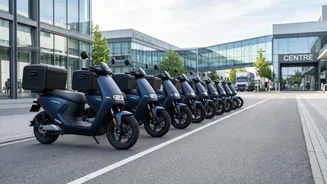
The influx of dark stores is subtly reshaping the urban landscape. While they provide unparalleled convenience, they also bring increased scooter traffic and operational noise to residential areas. However, the economic impact is undeniable. With 629 stores, the quick commerce sector has become a major employer in Bengaluru, generating an estimated 7,500 to 12,500 jobs for pickers, packers, and store managers. Keeping this network staffed is a huge challenge, with high attrition rates requiring thousands of new hires each month. This creates a constant demand for blue-collar workers, injecting millions in wages into the local economy but also highlighting challenges related to affordable housing and commute times for employees.
The Future: Efficiency and Sustainability
After a period of rapid, land-grab expansion, the focus is shifting. Companies are now looking to improve the efficiency and profitability of their existing dark stores. This involves using automation and AI to forecast demand, manage inventory better, and optimise delivery routes to handle more orders from each location. Some are even experimenting with larger 'mega dark stores' to offer a wider variety of products. While Bengaluru's core areas may be reaching saturation, the expansion continues on the city's periphery. The long-term success of this model will depend on balancing the high costs of real estate and operations against customer loyalty and finding a sustainable path to profitability in an intensely competitive market.