


A Return to Our Roots
Before wheat and polished rice dominated our plates, a vast and varied pantry of heritage grains and pulses nourished India for millennia. Grains like jowar (sorghum), bajra (pearl millet), ragi (finger millet), and pulses like kulith (horse gram) were
staples. These are not just 'old-fashioned' foods; they are climate-resilient superfoods packed with protein, fibre, and micronutrients. Incorporating them into your festive cooking is a wonderful way to celebrate India's rich agricultural and culinary diversity, reconnecting with flavours that are both ancient and incredibly relevant today.
Rethink Your Festive Breads
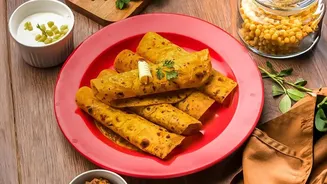
One of the simplest ways to start is by tweaking your festive breads. For a Rajasthani touch, consider making soft, fluffy bajra rotis to accompany a rich paneer curry. Planning to make puris for a Diwali feast? Try substituting a portion of the wheat flour with finely ground jowar or ragi flour. This not only adds a lovely, nutty flavour but also enhances the nutritional profile. In Maharashtra and Gujarat, where thepla and thalipeeth are popular, these breads are already perfect canvases for multigrain flours. Mixing in bajra, jowar, and even pulse flours like besan is a traditional practice that can be easily adopted for any festive meal.
A Southern Twist with Millets
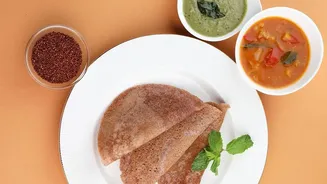
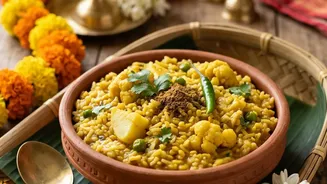
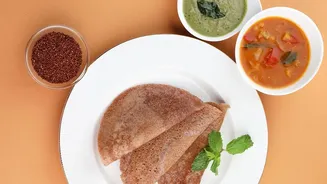
South Indian festive cuisine offers a fantastic playground for heritage grains. The classic Sankranti dish, Pongal, is traditionally made with rice. However, it is just as delicious when prepared with foxtail millet (thinai) or sorghum (jowar). The grains cook up beautifully, absorbing the flavours of moong dal, ghee, and black pepper. For a festive breakfast, consider making idlis or dosas using a batter fortified with ragi or horse gram. You could even try a multi-state fusion: imagine a Karnataka-style 'Bisi Bele Bath' made not with rice, but with barnyard millet, bringing a northern grain into a classic southern recipe for a truly unique festive dish.
Pulses Beyond the Everyday Dal
While everyday dals are a staple, festivals call for something more special. This is where heritage pulses can shine. Horse gram, known as kulith in Maharashtra and huruli in Karnataka, has a deep, earthy flavour. A rich 'Kulith Saaru' or rasam can be a comforting and nutritious addition to a winter festival menu. For Navratri, instead of the usual chickpea sundal, try one made with protein-packed horse gram. In the North, the festive 'kadhi' can be given a twist by using a batter made from a mix of heritage pulse flours instead of just gram flour. These pulses add complexity and a robust nutritional punch to celebratory meals.
Sweet Endings with Ancient Grains
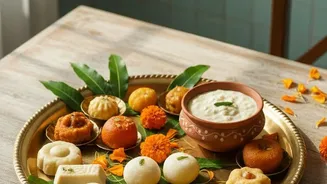
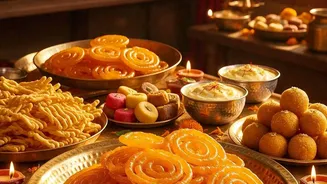
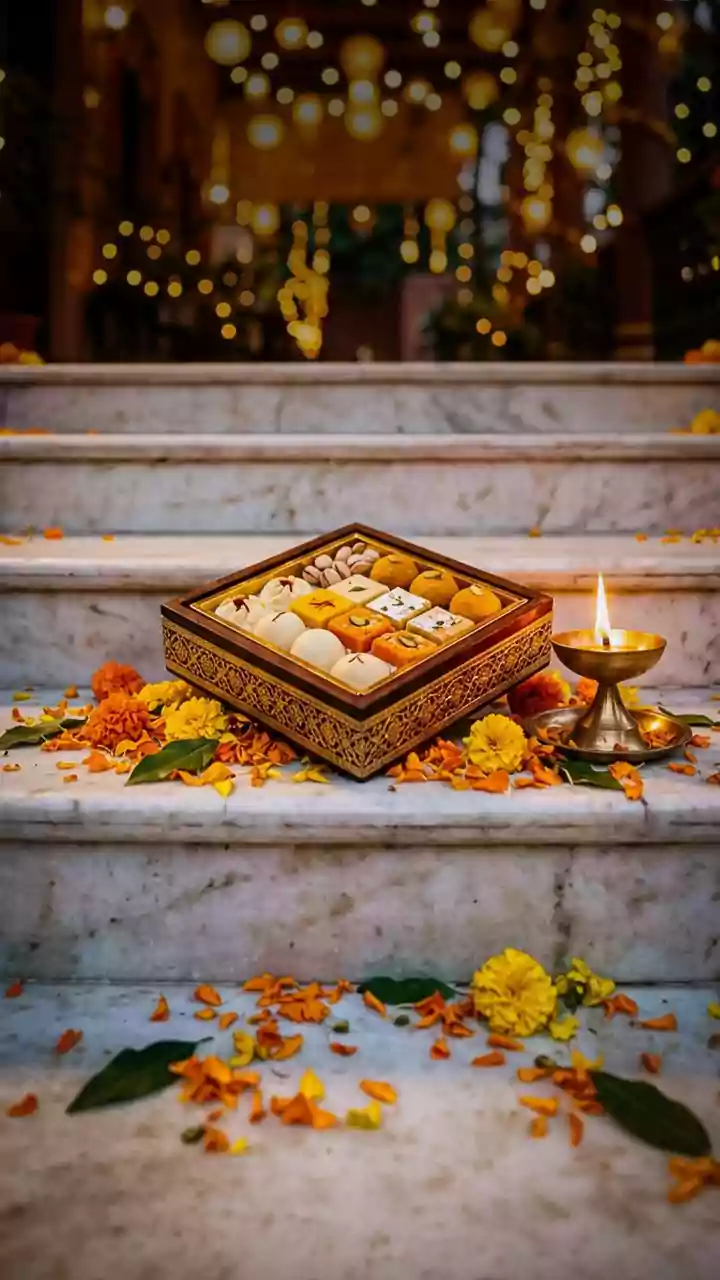
No Indian festival is complete without sweets. Heritage grains offer healthier, yet equally indulgent, alternatives to refined flour and sugar. Amaranth (rajgira) is a classic for fasting foods, and its puffed seeds can be bound with jaggery to make delicious and crunchy laddoos or chikki. Ragi flour can be roasted with ghee and mixed with nuts and jaggery to create wholesome laddoos. You can also reimagine classic desserts; a creamy kheer made with foxtail millet or sorghum vermicelli instead of rice offers a delightful texture and nutty taste. These sweets are not about compromise; they are about rediscovering a richer, more diverse world of festive desserts passed down through generations.