




Swap Fried Pakoras for Steamed Snacks
The craving for hot, crispy pakoras with a cup of chai is almost a universal monsoon experience. However, deep-fried foods can be heavy on the digestive system, which is naturally weaker during this season. The high humidity can slow down our metabolism,
making it harder to digest oily and fatty foods, leading to bloating and indigestion. A smarter choice is to switch to steamed or air-fried snacks. Think steamed corn, homemade dhokla, or even air-fried vegetable cutlets. These options provide the same comforting warmth without the excess oil. You still get a delicious snack, but your gut will thank you. Steamed foods are lighter and easier to process, helping you feel energetic instead of sluggish.
Trade Raw Salads for Warm Soups
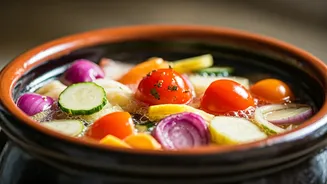
While salads are a go-to for healthy eating, raw vegetables can be risky during the rainy season. The moisture in the air creates a breeding ground for bacteria and fungi on raw produce. Leafy greens, in particular, can harbour dirt and germs that are difficult to wash away completely, increasing the risk of stomach infections. Instead, opt for warm, hearty soups. A mixed vegetable soup, lentil soup (dal shorba), or a simple tomato and basil soup can provide even more nutrients in an easily digestible form. Cooking kills harmful pathogens and breaks down fibre, making it gentler on your stomach. Soups also keep you hydrated and warm, which is perfect for damp, cool days.
Choose Herbal Teas Over Fizzy Drinks
Reaching for a cold, sugary soda might seem refreshing, but these drinks can weaken your immune system and disrupt the balance of gut bacteria. The high sugar content can promote inflammation, and the carbonation can cause gas and bloating. During a season when your body is already fighting off potential infections, it’s wise to choose beverages that support your health. Swap carbonated drinks for immunity-boosting herbal teas. A warm cup of ginger-tulsi tea, chamomile, or a classic masala chai with spices like clove and cinnamon can do wonders. These ingredients have anti-inflammatory and antibacterial properties that help fortify your body's defences. A simple homemade kadha is another excellent alternative to keep seasonal colds and coughs at bay.
Replace Heavy Curries with Lighter Stews
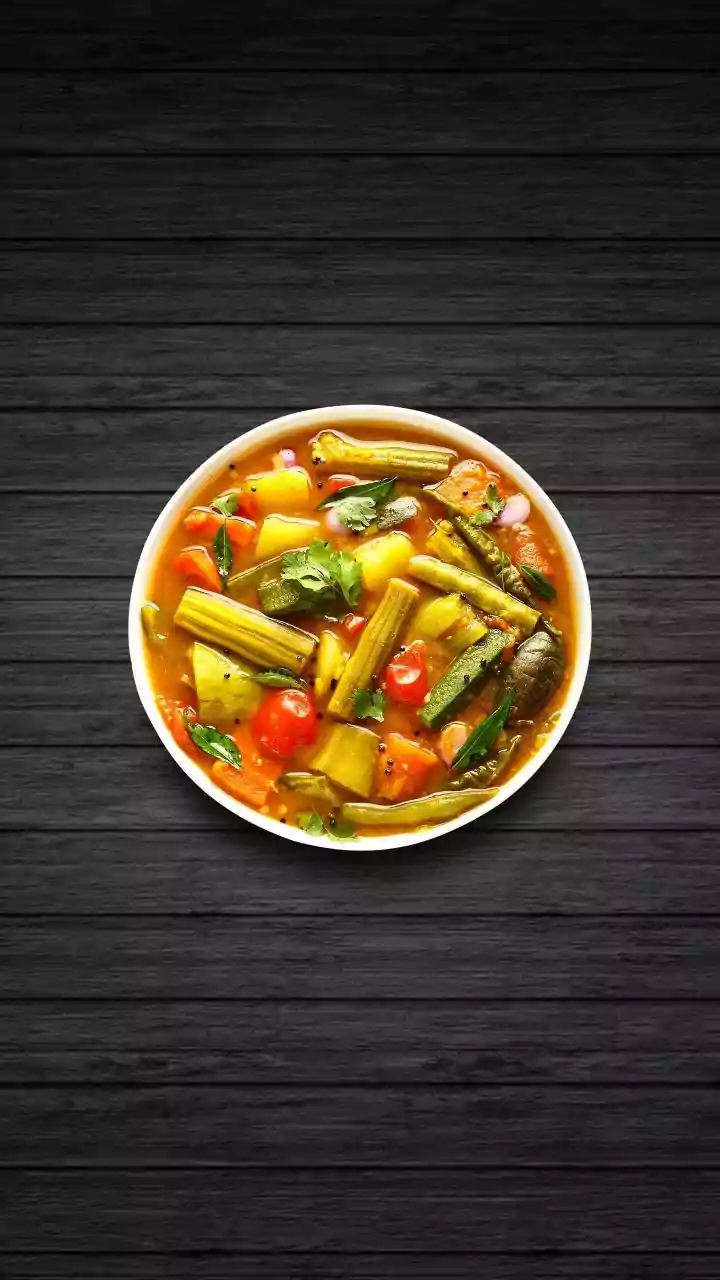
Rich, creamy curries made with a lot of oil, cream, or nuts can feel heavy and taxing on your digestive system during the monsoon. The body's 'digestive fire' (agni), according to Ayurveda, is at its lowest during this period, making it difficult to break down complex, heavy meals. This can lead to feelings of lethargy and discomfort. Embrace lighter, broth-based curries and stews. Use ingredients like tomatoes, onions, and ginger-garlic as your base instead of heavy cream or cashew paste. Dishes like rasam, sambar, or simple vegetable stews are not only flavourful but also light and nourishing. They provide essential nutrients without overwhelming your system, keeping your digestion smooth and efficient.
Swap Street-Side Chaat for a Homemade Version
The allure of tangy, spicy street-side chaat is undeniable, especially on a rainy evening. However, the risk of water-borne diseases like typhoid, cholera, and jaundice is at its peak during the monsoon due to contaminated water sources used by street vendors. It's impossible to know the hygiene standards of the water used for chutneys or for washing ingredients. Making your favourite chaat at home is a fun and safe alternative. You can control the quality of every ingredient, from using filtered water to fresh, clean vegetables. Prepare bhel puri, sev puri, or dahi vada in your own kitchen. This way, you can satisfy your cravings without worrying about falling sick, ensuring your monsoon enjoyment isn't interrupted by a visit to the doctor.
Opt for Gourds Instead of Leafy Greens
Though packed with nutrients, leafy green vegetables like spinach and cabbage grow close to the ground, making them susceptible to collecting mud, grime, and microbes, especially during the monsoon. The damp leaves can be a perfect home for worms and bacteria that are hard to wash off. A safer bet is to incorporate seasonal gourds into your diet. Vegetables like bottle gourd (lauki), ridge gourd (turai), and snake gourd (chichinda) have high water content, are rich in fibre, and are incredibly easy to digest. They are also less likely to be contaminated. They cook quickly and can be used in a variety of dishes, from simple sabzis to flavourful dals, providing a healthy and safe vegetable source for the season.