






The Monsoon Travel Paradox
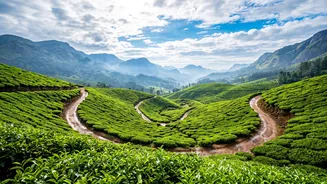
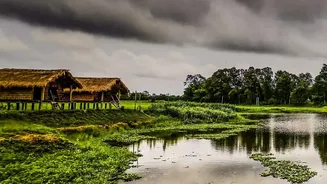
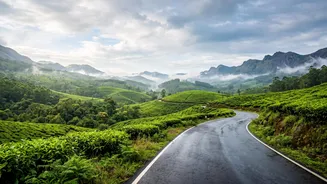
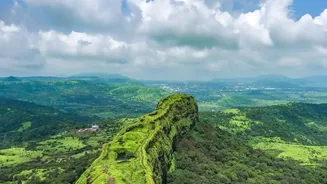
Travelling through India during the monsoon season, which typically runs from June to September, is a double-edged sword. On one hand, destinations are less crowded, hotels can be cheaper, and the scenery is breathtakingly green and alive. Hill stations
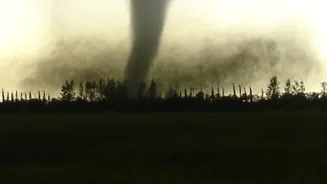
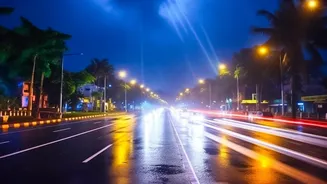
like Munnar and Wayanad, or the backwaters of Kerala, come into their own. On the other hand, the season brings significant challenges. Heavy rains can lead to widespread waterlogging, flash floods, and landslides, particularly in mountainous regions. This often results in major travel disruptions, including flight delays, train cancellations, and blocked roads, turning a well-planned itinerary upside down.
The Promise of Travel Insurance
In the face of such unpredictability, travel insurance seems like an obvious safeguard. A comprehensive policy is designed to act as a financial safety net against a host of travel mishaps. Standard coverage typically includes trip cancellation or interruption, significant flight delays, lost baggage, and, most importantly, medical emergencies. If your flight is delayed beyond a certain threshold (often six to twelve hours), a good policy may reimburse you for essentials like meals and accommodation. If you have to cancel your trip entirely due to a covered reason, such as a sudden medical issue or a natural disaster making your destination inaccessible, the insurance can refund your non-refundable, prepaid costs.
Reading the Fine Print: Weather Exclusions
Here’s where it gets complicated. Not all weather-related problems are covered, and many travellers learn this the hard way. The most critical exclusion relates to 'foreseeable events'. Once a major weather event like a cyclone is named or a severe flood warning is issued, it's considered a known risk. If you buy insurance after this point, any claim related to that specific event will likely be denied. Furthermore, standard policies generally don't cover you if you simply decide to cancel because the forecast looks rainy or you're worried about potential disruptions. Coverage typically only kicks in when a common carrier (like an airline) officially cancels or delays service, or authorities declare an area unsafe.
Choosing a Monsoon-Ready Policy
To be truly protected during the monsoon, you need to be a discerning insurance shopper. First, buy your policy as soon as you book your trip, long before any specific weather threat emerges. When comparing plans, specifically look for policies that offer robust coverage for natural calamities and weather-related disruptions. Check the defined waiting period for trip delay benefits; a six-hour trigger is better than a twelve-hour one. For ultimate flexibility, consider a 'Cancel for Any Reason' (CFAR) add-on. While more expensive and typically only reimbursing 50-75% of your costs, a CFAR policy allows you to cancel for reasons not covered by standard plans, offering peace of mind if you simply get cold feet about the weather.
Beyond Insurance: Smart Travel Planning
Insurance is just one part of the equation. Smart planning is your first line of defence. Choose your destination wisely; avoid regions prone to severe landslides or flooding during peak monsoon, such as the Himalayan foothills. Instead, opt for places like Rajasthan, which receives less rain, or the southern hill stations. Build buffer days into your itinerary to absorb potential delays without derailing your entire trip. Pack light, quick-drying clothes, waterproof footwear, and protective bags for your documents and electronics. Regularly monitor weather forecasts and local travel advisories, and always have a backup indoor plan, like visiting a museum or taking a cooking class, for days when the rain is relentless.