



Rethink Your Watering Routine
The single biggest mistake during the rainy season is overwatering. With high humidity in the air, the soil in your pots dries out much slower than in summer. Sticking to a rigid watering schedule can quickly lead to waterlogged soil, which suffocates
roots and causes root rot—the number one killer of houseplants. Before you even think about watering, use the finger test: stick your finger about an inch into the soil. If it feels damp, wait another day or two. Your plants will need significantly less water than you think. Always empty the saucer or tray beneath the pot after watering to ensure the plant isn't sitting in stagnant water.
Maximise Available Light
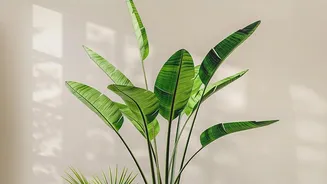
Constant grey skies mean your plants receive far less sunlight, which is essential for photosynthesis and growth. To compensate for the diminished light, move your plants closer to windows, ideally ones that are east-facing to catch the gentle morning sun. Make it a habit to rotate your pots every few days so that all sides of the plant get some light exposure, preventing lopsided or leggy growth. Another simple but effective trick is to regularly wipe down the leaves with a soft, damp cloth. Removing dust allows the leaves to absorb the maximum amount of available light.
Improve Air Circulation
While tropical plants enjoy humidity, the stagnant, damp air of the monsoon can create a perfect environment for fungal diseases like powdery mildew. Good air circulation is crucial to combat this. When it’s not actively raining, open your windows to get a breeze flowing. If your home remains very humid, using a small fan on a low setting for a few hours a day can work wonders. Also, avoid overcrowding your plants; giving them space allows air to move freely around them, which helps keep their foliage dry and healthy.
Guard Against Pests and Fungi
The warm, wet conditions of the monsoon are an open invitation for pests and fungal infections. Fungus gnats, tiny black flies that hover around the soil, thrive in overly moist conditions. Mealybugs and other pests also become more active. Inspect your plants weekly, checking under the leaves and along the stems for any signs of trouble. If you spot pests, isolate the affected plant immediately to prevent them from spreading. Using a diluted neem oil spray every 10-15 days can be an excellent preventive measure against both pests and common fungal issues.
Hold Back on Fertiliser and Repotting
The rainy season is a period of slower growth for most indoor plants due to the lack of light. Because they aren't actively growing, they don't need the extra nutrients from fertiliser. Fertilising now can lead to a buildup of salts in the soil, which can burn the roots. It’s best to pause your feeding schedule and resume it only when you see signs of new growth as the weather clears. Similarly, avoid repotting during this time. Repotting is a stressful event for a plant, and it's best done when the plant is in a period of active growth and can recover quickly, which is usually not during the monsoon.
Focus on Soil and Drainage
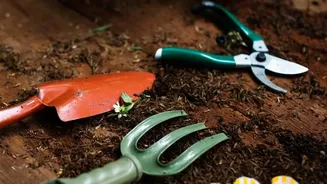
Good drainage is your best defence against the challenges of the monsoon. Ensure all your pots have drainage holes at the bottom. If your plants are in decorative pots without holes, consider using them as cachepots—place a nursery pot with drainage inside the decorative one and be sure to empty any excess water after watering. You can also elevate your pots on small stands or bricks to ensure the drainage holes are not blocked and water can escape freely. For soil that seems compacted, gently aerating the top layer with a chopstick or small fork can help improve oxygen flow to the roots.