


A Tale of Two Superfoods
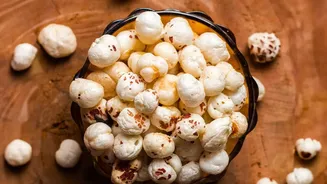
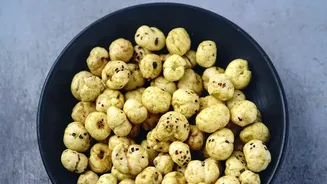
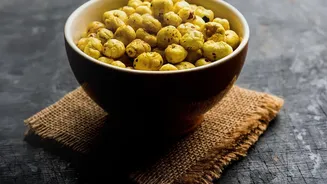
For centuries, makhana (fox nuts) and millets like jowar, bajra, and ragi were integral to Indian diets. Makhana, harvested from lotus seeds primarily in Bihar, was a trusted food for fasting and festive meals like kheer. Millets were the everyday grains
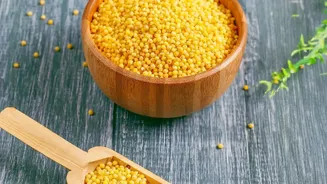
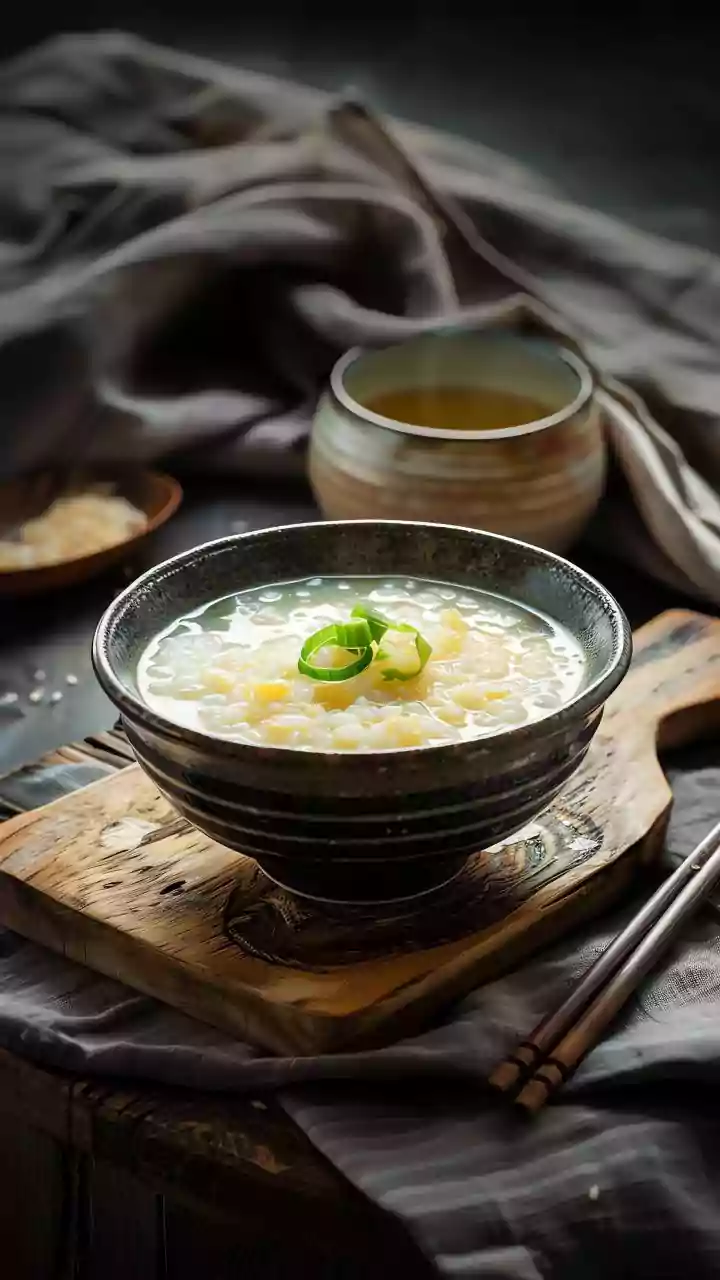
for a large part of the population, forming the base of meals long before rice and wheat became dominant. However, with changing lifestyles, they were gradually sidelined. Now, a powerful shift in consumer awareness is bringing these nutritional powerhouses from the fringes back to the center of the plate, transforming them from forgotten foods into modern wellness staples.
The Undeniable Health Halo
The primary driver of this resurgence is health. As Indians become more conscious of what they eat, the nutritional profiles of makhana and millets are hard to ignore. Makhana is low in calories and fat, yet rich in protein, fibre, and essential minerals like magnesium and potassium. This makes it an ideal guilt-free snack, especially as a replacement for fried chips and namkeen. Millets are nutritional dynamos in their own right. They are naturally gluten-free, high in dietary fibre, and packed with antioxidants. Their consumption has been linked to better blood sugar control, improved heart health, and better digestion, making them a smart choice for managing modern lifestyle diseases.
Modern Makeovers for a New Generation
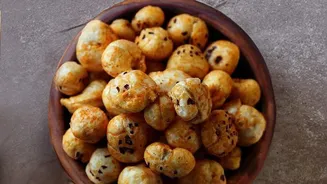
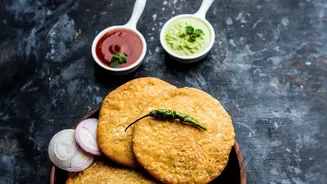
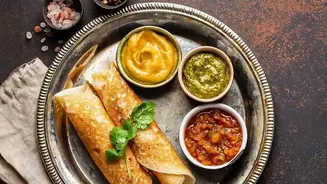
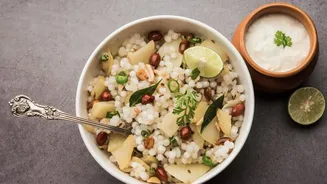
Tradition is valuable, but convenience is king. Food startups and established brands have been quick to recognise this, giving both ingredients a modern makeover. Makhana is no longer just roasted with ghee and salt; it now comes in a variety of exciting flavours like peri-peri, cheese, and pudina. Millets have been cleverly integrated into a wide range of products that fit seamlessly into busy lives. You can now find millet-based breakfast cereals, noodles, pasta, cookies, and dosa mixes on shelves. These innovative formats make it easy for consumers to incorporate these healthy grains into their diets without compromising on taste or convenience.
A Push from the Top
The revival isn't just a grassroots movement; it has significant government support. The Indian government has actively promoted millets as 'Nutri-Cereals'. This culminated in the United Nations declaring 2023 as the 'International Year of Millets' at India's behest, a move that massively boosted global and domestic awareness. Initiatives like the Odisha Millet Mission and inclusion in the Public Distribution System have helped revive cultivation and consumption at a foundational level. These policies aim to increase farmers' income, promote sustainable agriculture due to the crops' low water requirements, and enhance national food security.