



The Rise of a New Super-Bowl
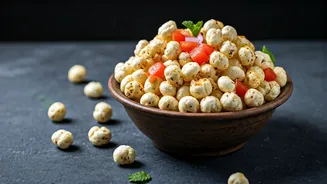
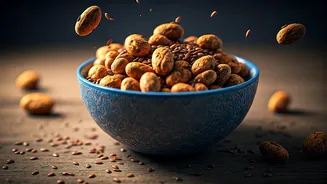
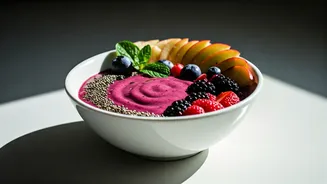
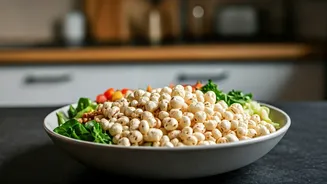
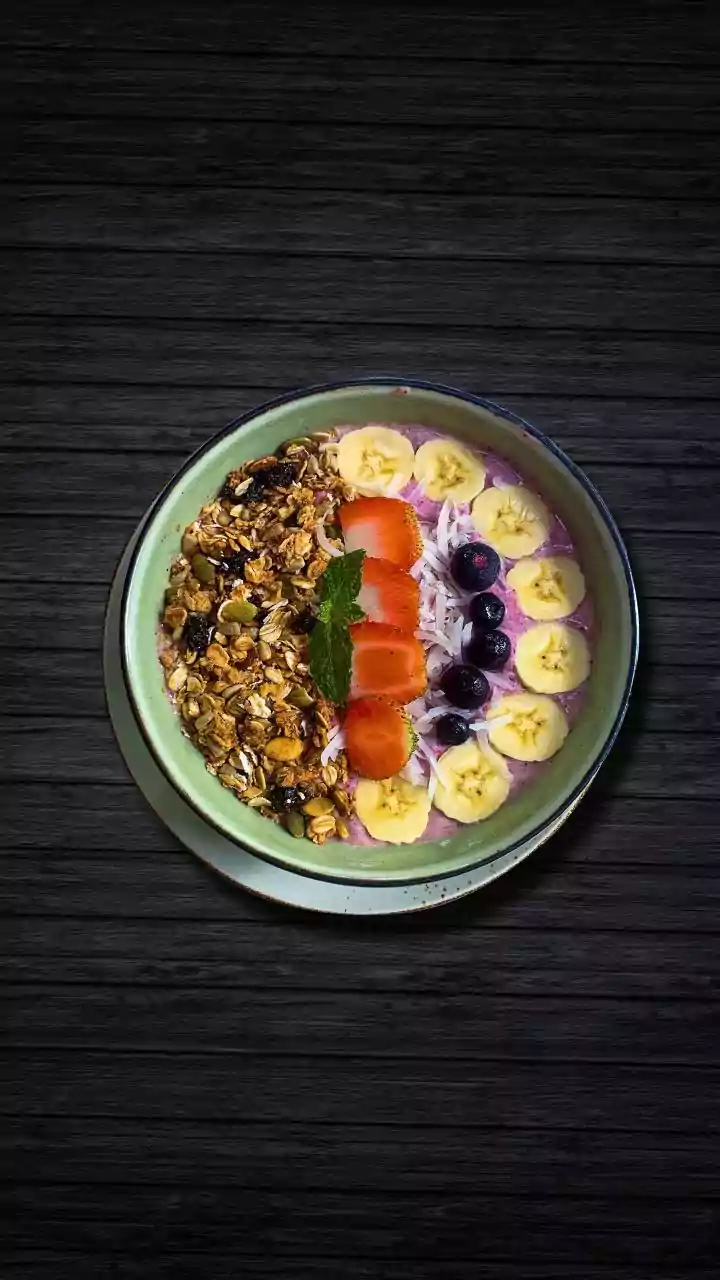
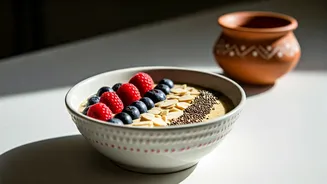
Move over, smoothie bowls and overnight oats. There’s a new photogenic, nutrient-packed meal taking over social media: the makhana protein bowl. What was once a simple, roasted snack, often eaten during fasts or as a light evening bite, has undergone
a major glow-up. Fitness enthusiasts and wellness influencers are championing this creation as the ultimate ‘clean’ meal—a perfect balance of taste, texture, and nutrition that aligns with modern fitness goals. It’s crunchy, savoury, customisable, and, most importantly, rooted in Indian culinary tradition. This isn't an imported superfood fad; it's the clever reinvention of an ingredient we’ve known and loved for generations, making its popularity feel both exciting and authentic.
Makhana: The Humble Superstar
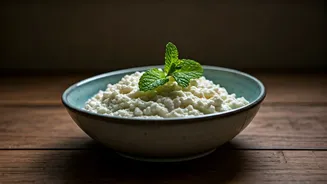
For the uninitiated, makhana, or fox nuts, are the puffed seeds of the Euryale ferox plant, a type of water lily. Traditionally, they're roasted in a little ghee and sprinkled with salt or spices. Their nutritional profile is what makes them a modern-day hero. Makhana are naturally low in calories and fat, gluten-free, and rich in complex carbohydrates, which provide sustained energy. They are also a good source of plant-based protein, fibre, and essential minerals like magnesium, potassium, and phosphorus. Unlike popcorn, they have a low glycemic index, meaning they don’t cause a rapid spike in blood sugar. This impressive resume makes them an ideal base for a meal designed for satiety, muscle repair, and overall wellness.
Anatomy of the Perfect Bowl
The beauty of the makhana protein bowl lies in its versatility. It’s less of a strict recipe and more of a customisable formula. The foundation is always a generous helping of roasted makhana, which provides the signature crunch. From there, it's all about layering textures and nutrients.
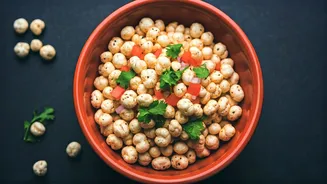
* **Protein Power:** To make it a complete meal, a lean protein source is essential. Popular choices include cubed paneer, boiled chickpeas, lentils, sprouts, grilled chicken, or even a scoop of boiled eggs.
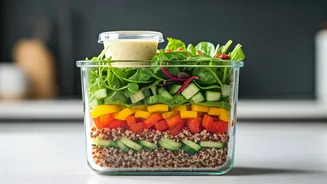
* **Fresh Vegetables:** A colourful mix of chopped cucumber, tomatoes, onions, and bell peppers adds freshness, fibre, and vital micronutrients.
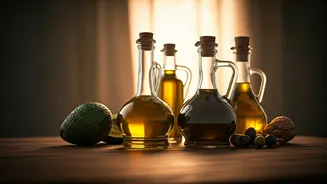
* **Healthy Fats:** A sprinkle of toasted peanuts, almonds, seeds (like pumpkin or sunflower), or a drizzle of olive oil provides healthy fats, which are crucial for hormone function and nutrient absorption.
* **The Dressing:** The dressing ties everything together. A simple whisked yogurt (dahi) with mint and spices is a classic. A tangy lemon-herb vinaigrette or just a squeeze of lime with black salt also works wonders. The key is to keep it light and flavourful.
Why 'Clean Fitness' Loves It
The term 'clean eating' focuses on consuming whole, unprocessed foods. The makhana bowl fits this philosophy perfectly. It’s a balanced meal that can be easily tailored to fit specific macronutrient targets. For someone looking to build muscle, the protein component can be increased. For those focused on weight management, it’s a high-volume, low-calorie meal that promotes fullness, preventing mindless snacking later. Because it’s so customisable, it helps people avoid the meal-prep fatigue that often comes with repetitive salads or grilled chicken dishes. It feels like an indulgent chaat but is packed with the goodness of a carefully constructed fitness meal, hitting that sweet spot between satisfying cravings and staying on track.
More Than Just a Passing Trend?
While social media is famous for fleeting food fads, the makhana bowl seems to have real staying power. Unlike exotic ingredients that are expensive and hard to find, makhana is widely available and affordable across India. It taps into a sense of nostalgia while simultaneously feeling modern and globally relevant. It’s quick to assemble, making it perfect for busy lifestyles. This combination of cultural resonance, nutritional superiority, and sheer convenience suggests that the makhana protein bowl is more than just a photogenic fad. It represents a larger shift towards embracing local, indigenous ingredients and adapting them for contemporary health goals.