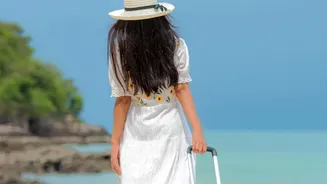







The New 'Trip Architect'
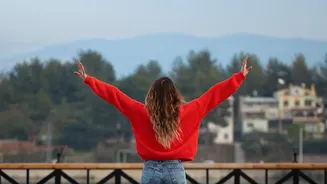
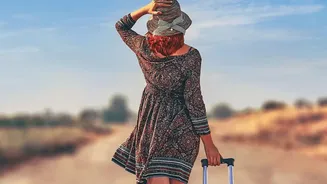
The traditional picture of an Indian family vacation—often planned and dictated by male members—is rapidly fading. In its place, a new reality is emerging where women are the primary decision-makers. Recent reports paint a clear picture of this transformation.
According to a 2025 report by Thrillophilia, women now influence or directly design a staggering 72% of all leisure trips in India. This isn't just about choosing a destination; they are meticulously handling logistics, budgeting, and curating experiences. They are becoming the 'trip architects' for their households, a role that extends beyond their own solo adventures to encompass family holidays and group getaways. This shift signifies more than just a change in travel habits; it reflects a broader cultural and economic evolution.
What's Driving the Change?
Several factors are fuelling this trend. Growing financial independence is a primary driver, giving women the resources to not only fund their own travel but also have a decisive say in family expenditure. Digital empowerment has also played a crucial role. The rise of travel apps and online booking platforms has demystified the planning process, allowing women to research destinations, compare prices, and book everything from flights to homestays with confidence and ease. Furthermore, a changing social mindset is breaking down old stereotypes. Women, both single and married, are increasingly seeking experiences that offer self-discovery, adventure, and a break from routine. This desire for personal growth and freedom is translating directly into how they choose to explore the world.
The Solo and All-Women Wave
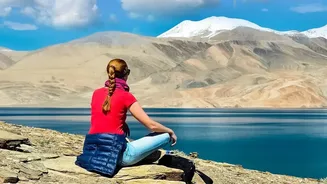
Perhaps the most visible aspect of this trend is the explosive growth in solo and all-women travel. One travel platform, Zostel, reported that solo female bookings surged from just over 33,000 in 2018 to more than 92,000 in 2025. Another report noted a 9x year-on-year jump in solo bookings by women. This isn't a niche phenomenon anymore; it's a mainstream movement. In response, a thriving ecosystem of women-only travel companies like Wander Womaniya, WOW Club, and F5 Escapes has emerged, offering curated, safe, and supportive group experiences. These groups provide a sense of community and security, encouraging even hesitant travellers to take the plunge. They cater to a wide range of interests, from spiritual journeys in Varanasi to bachelorette parties in Goa.
Smarter, Safer, and More Thoughtful Travel
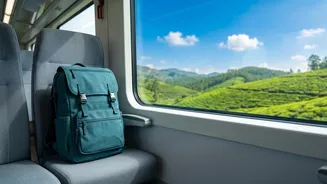
Data shows that when women plan, the nature of travel itself changes. Women are more meticulous researchers, reading more reviews and examining more photos before making a decision. This detailed planning leads to an 18% lower cancellation rate for trips booked by them. Safety is a paramount concern, with women applying more than three times the number of safety filters during their research, which has resulted in a 23% drop in on-trip emergencies. The focus is often on 'smart luxury'—choosing valuable experiences and premium upgrades like boutique stays or wellness activities rather than just extravagant spending. Destinations also shift, with a preference for culturally rich and slower-paced locations like Kerala and Rajasthan for domestic trips, and value-driven international spots like Vietnam and Bali.
The Industry Is Taking Notice
The travel and hospitality industry is adapting to this powerful demographic. Hotels are promoting women-friendly features, and tour operators are designing itineraries that cater specifically to female interests like wellness, culture, and cuisine. Recognizing the immense spending power and influence of women travellers, businesses are realizing they are not just a segment to be marketed to, but the key decision-makers shaping the future of leisure in India. Initiatives like the Pink City Rickshaw Company in Jaipur, which employs women drivers from disadvantaged backgrounds, are also gaining traction, blending tourism with female empowerment. Some state governments, like Himachal Pradesh with its SHE Travel Policy, are also stepping up to create safer and more inclusive environments for women.