





The Challenge of Urban Heat
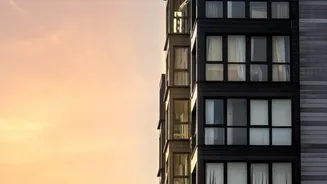
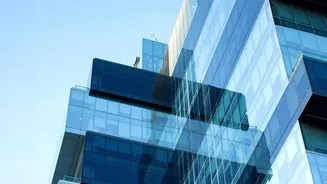
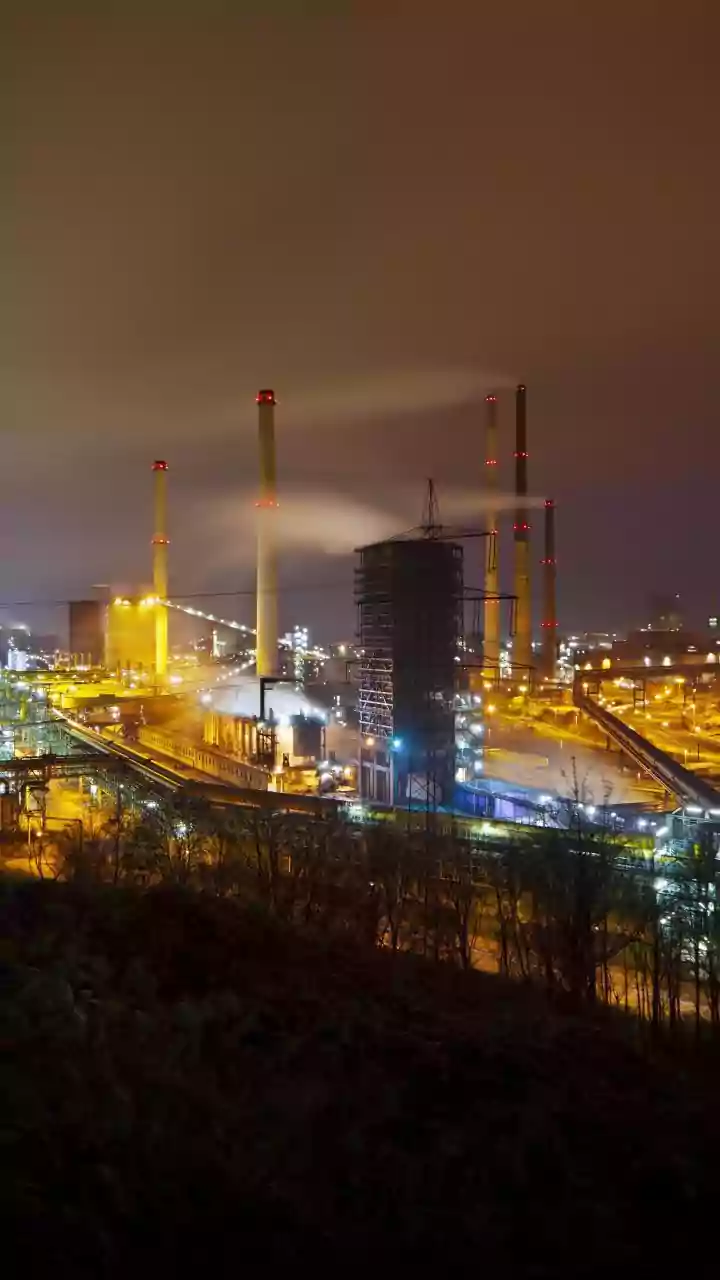
Cities are getting hotter. The combination of concrete, asphalt, and dense construction creates what is known as the 'urban heat island' effect, where temperatures are significantly higher than in surrounding rural areas. For those in sun-facing apartments,
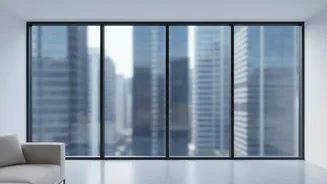
windows become giant heat magnets. Sunlight pours in, bringing with it solar radiation that warms up interiors, sending air conditioners into overdrive and electricity bills through the roof. While traditional solutions like blinds and curtains help, they also block out natural light, creating a dark, cave-like environment. This is the problem that new 'smart' materials aim to solve.
What Are Thermo-Responsive Coatings?
Thermo-responsive, or thermochromic, coatings are an advanced technology designed to dynamically control the amount of heat that passes through glass. Think of them as intelligent films that react to temperature. These coatings are often made from materials like vanadium dioxide (VO₂), which possesses a unique property: it can switch from being transparent to infrared radiation (heat) at lower temperatures to reflecting it at higher temperatures. Unlike static tints or reflective films that have the same properties year-round, these coatings adapt to the weather, offering a more intelligent and energy-efficient solution. They can be applied as a film to existing windows or integrated into new glass panes.
The Science of Automatic Cooling
The magic of these coatings lies in their molecular structure. Vanadium dioxide undergoes a reversible phase change at a specific transition temperature, which is typically around 68°C but can be modified by adding other materials. Below this temperature—say, on a cool or winter day—the coating remains in a state that allows solar heat to pass through, helping to warm the interior naturally. However, when the sun beats down and the glass surface heats up past this point, the coating’s structure transforms into a metallic state. In this state, it becomes highly reflective to near-infrared (NIR) radiation, which is the component of sunlight that carries the most heat. Crucially, it remains largely transparent to visible light, so you don't lose the daylight. This process is entirely passive, requiring no wires, electricity, or manual controls.
The Real-World Benefits
The primary advantage is a cooler home. By automatically blocking a significant portion of solar heat on hot days, these coatings can dramatically lower indoor temperatures. This leads to the second major benefit: reduced energy consumption. With less heat entering the home, air conditioning systems don't have to work as hard, which can lead to substantial savings on electricity bills. Studies have shown that VO₂-coated windows can reduce cooling energy needs by over 25% in some climates. Furthermore, by blocking heat and UV rays, these films also protect your furniture, carpets, and artwork from fading over time. They also reduce glare without sacrificing your view or natural light.
Availability and Practical Considerations in India
While advanced thermochromic technology featuring vanadium dioxide is still an emerging and often premium product, the Indian market offers a wide variety of sun control films that provide similar benefits. Brands like 3M, Garware, and Saint-Gobain offer high-performance films that use nano-ceramic or reflective technologies to block significant amounts of heat and UV radiation. These films are readily available and come in various tints and reflectivity levels, with prices ranging from ₹50 to over ₹400 per square foot, depending on the brand and performance. When choosing a film, look for its Total Solar Energy Rejection (TSER) value; the higher the number, the more heat it will block. While not 'smart' in the adaptive sense, these modern films are a highly effective and accessible way to achieve a cooler, more comfortable living space in a sun-exposed flat.