








Which Regions Are on High Alert?
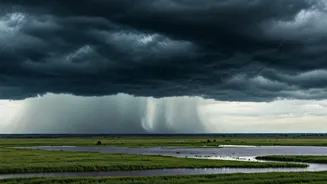
The IMD has forecast widespread rain for virtually the entire North Eastern region, with specific warnings varying by state and day. An orange alert, indicating a need for authorities to be prepared, has been issued for Assam, Meghalaya, Arunachal Pradesh,
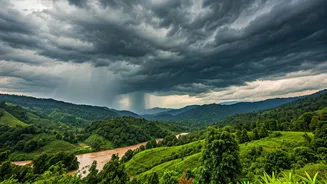
Nagaland, Manipur, Mizoram, and Tripura. The wettest conditions are expected in the hilly areas of the region. Assam and Meghalaya, in particular, are braced for heavy to very heavy rainfall, with some isolated areas potentially facing extremely heavy downpours. Past data shows that Meghalaya has experienced exceptionally heavy rainfall in short periods, with Mawsynram once recording 530 mm in just 24 hours. Arunachal Pradesh is also expected to see continued very heavy rainfall.
The Science Driving the Downpour
This intense weather is a result of the active Southwest Monsoon, which has advanced across eastern and northeastern India. The moisture-laden winds from the Bay of Bengal are hitting the hills of the region, a phenomenon known as orographic lifting, causing them to release massive amounts of rain. The monsoon trough, an elongated low-pressure area, is currently positioned to fuel this heavy precipitation across the North East and Sub-Himalayan West Bengal. These meteorological conditions are creating a scenario ripe for sustained, widespread, and intense rainfall throughout the region for the next several days.
Key Risks: Flooding and Landslides
The primary dangers from this weather event are flash floods and landslides. The North East's hilly and mountainous terrain makes it inherently vulnerable to landslides, especially when the soil becomes saturated with persistent rain. Officials have warned that the heavy rainfall could trigger waterlogging in low-lying areas, disrupt traffic, and cause landslides in vulnerable pockets. Assam, which experiences significant riverine flooding from the Brahmaputra annually, is on high alert for inundation. Authorities are closely monitoring critical infrastructure, as persistent rain has previously damaged national highways connecting the region, disrupting transport and supply chains.
Official Advisories and Safety Measures
State Disaster Management Authorities across the region have been activated, and National Disaster Response Force (NDRF) teams are on standby. Residents have been advised to stay updated with official IMD bulletins and take necessary precautions. Key recommendations include avoiding unnecessary travel, especially in areas prone to waterlogging and landslides. Farmers are advised to ensure proper drainage in their fields to protect crops. For those living in hilly areas, it's crucial to be aware of the warning signs of a landslide, which can include new cracks in plaster, tiles, or foundations, and the sound of rumbling debris.
How to Prepare Your Household
Preparedness at home is crucial. Residents should assemble an emergency kit containing essentials like a torch, batteries, non-perishable food, drinking water, a first-aid kit, and any necessary medications. Secure loose objects outside your home that could be moved by strong winds. Ensure your mobile phones are fully charged and consider keeping a power bank ready in case of power outages. It is also wise to know the location of the nearest relief shelter and the safest evacuation routes from your home. Keep important documents in a waterproof bag. Staying informed through official channels rather than relying on rumors is paramount.