


What Exactly is Matcha?
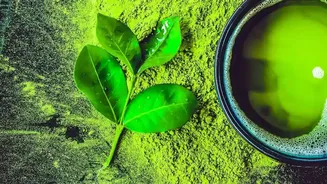
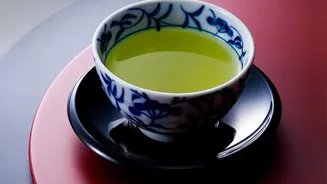
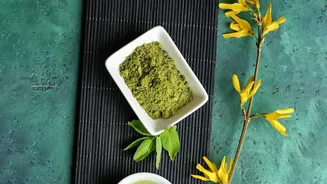
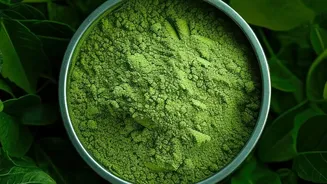
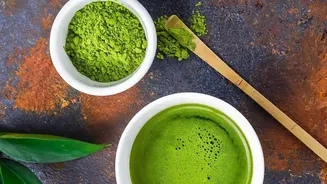
Matcha is a finely ground powder made from specially grown and processed green tea leaves. Unlike traditional green tea, where you steep the leaves in water and then discard them, with matcha you are consuming the entire leaf. This process has its roots
in Chinese and Japanese Zen Buddhist traditions, where monks used the tea to aid in meditation. The tea plants (Camellia sinensis) are shade-grown for about three to four weeks before harvest. This step boosts the production of chlorophyll, giving matcha its signature bright green colour, and also increases the concentration of certain beneficial compounds. After harvesting, the leaves are steamed to prevent oxidation, dried, and then stone-ground into a delicate powder.
The Science of a 'Calm Alertness'
The key to matcha's unique effect lies in the combination of two compounds: caffeine and an amino acid called L-theanine. While it does contain caffeine, a typical serving has slightly less than an equivalent cup of coffee—around 40-70mg compared to coffee's 80-100mg. However, the experience is vastly different. The L-theanine promotes a state of relaxation and calm by increasing alpha brain waves, the same ones associated with meditation. When paired with caffeine, L-theanine smooths out the stimulant's rough edges. Instead of the sharp spike and subsequent crash common with coffee, this synergy produces a sustained, gentle lift that can last for three to six hours, providing focused energy without the jitters or anxiety.
Matcha vs. Coffee: The Energy Showdown
For many, the daily coffee ritual is indispensable for a quick morning jolt. Coffee works fast, delivering a powerful burst of energy that peaks within 30 to 60 minutes. This is ideal when you need to be alert immediately. The downside, however, can be a restless, jittery feeling and the dreaded energy crash a few hours later, prompting another cup. Matcha offers a different kind of energy. The slower, more gradual release of caffeine, modulated by L-theanine, creates a state of calm focus rather than intense stimulation. Many users report improved performance on attention-based tasks and less mind-wandering. For those looking to escape the cycle of energy peaks and valleys, matcha presents a compelling alternative for steady, all-day productivity.
A Quick Guide to Choosing Your Matcha
Navigating the world of matcha can be confusing, but it generally comes down to two main grades: ceremonial and culinary. Ceremonial grade is the highest quality, made from the youngest tea leaves. It has a vibrant green colour, a fine texture, and a delicate, naturally sweet flavour with no bitterness. This is the grade you should choose if you plan to drink matcha on its own, whisked with hot water. Culinary grade is produced from slightly older leaves, giving it a more robust and sometimes slightly bitter flavour. This assertive taste is designed to stand up to other ingredients, making it perfect for lattes, smoothies, and baking. While ceremonial grade is higher in L-theanine, culinary grade often contains more antioxidants known as catechins. For your daily energy boost, a good quality ceremonial or premium latte-grade matcha is your best bet.
Your New Midday Ritual: Making the Perfect Cup
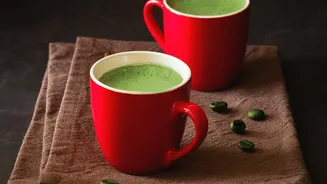
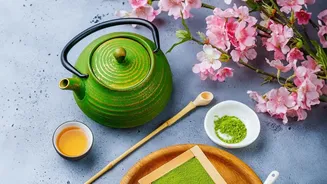
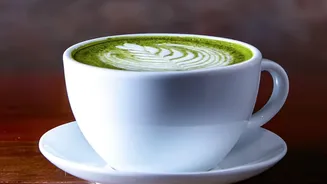
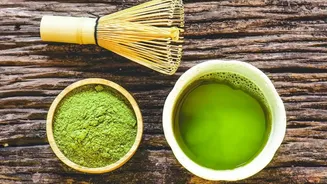
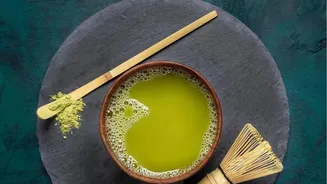
Preparing matcha at home is simpler than you might think and can be a mindful break in your day. You don't need a full set of traditional tools, though a bamboo whisk (chasen) helps create the best froth. A small electric milk frother is a great alternative. Start by sifting half a teaspoon of matcha powder into a bowl to remove any lumps. Add a small splash of hot, but not boiling, water (around 80°C is ideal, as boiling water can make the matcha taste bitter). Whisk vigorously in a 'W' or 'M' pattern until a smooth paste forms. Then, add more hot water (about 70ml) and whisk again until a fine foam appears on the surface. You can enjoy it as is, or top it with steamed milk for a delicious matcha latte.