



More Than Four Walls
For many young adults, particularly those in Generation Z (born roughly between 1997 and 2012), the concept of a home has fundamentally shifted. In an era of renting, flexible work, and urban migration, the traditional milestone of buying a house is often
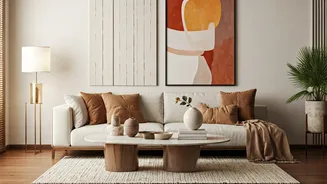
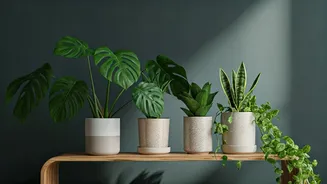
delayed or reimagined. Instead of viewing their temporary spaces as waiting rooms for ‘real life’ to begin, they are embracing them as active, evolving projects. Decorating is no longer a one-time event but a continuous process of curation and creativity. This isn't about matching furniture sets; it's about building a personal sanctuary that reflects one's identity, values, and mental state. A corner filled with plants, a wall of curated posters, or a colour-coded bookshelf becomes a statement of who they are right now.
The Social Media Moodboard
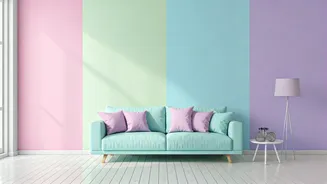
A huge driver of this trend is the visual-first nature of social media. Platforms like Pinterest, Instagram, and especially TikTok have turned interior design into accessible, shareable content. Hashtags like #apartmenttherapy, #roomtour, and #dopaminedecor have billions of views, creating a global feedback loop of inspiration. Young people can see inside thousands of real, lived-in spaces, not just professionally staged magazine shoots. This exposure has democratised design, creating a language of aesthetics—from the cozy clutter of 'cottagecore' to the bold, bright hues of 'maximalism'. It's not about perfection; it's about achieving a specific 'vibe'. This visual culture encourages experimentation and makes the act of decorating a shareable experience, turning a personal project into a form of social connection.
A Quest for Control and Comfort
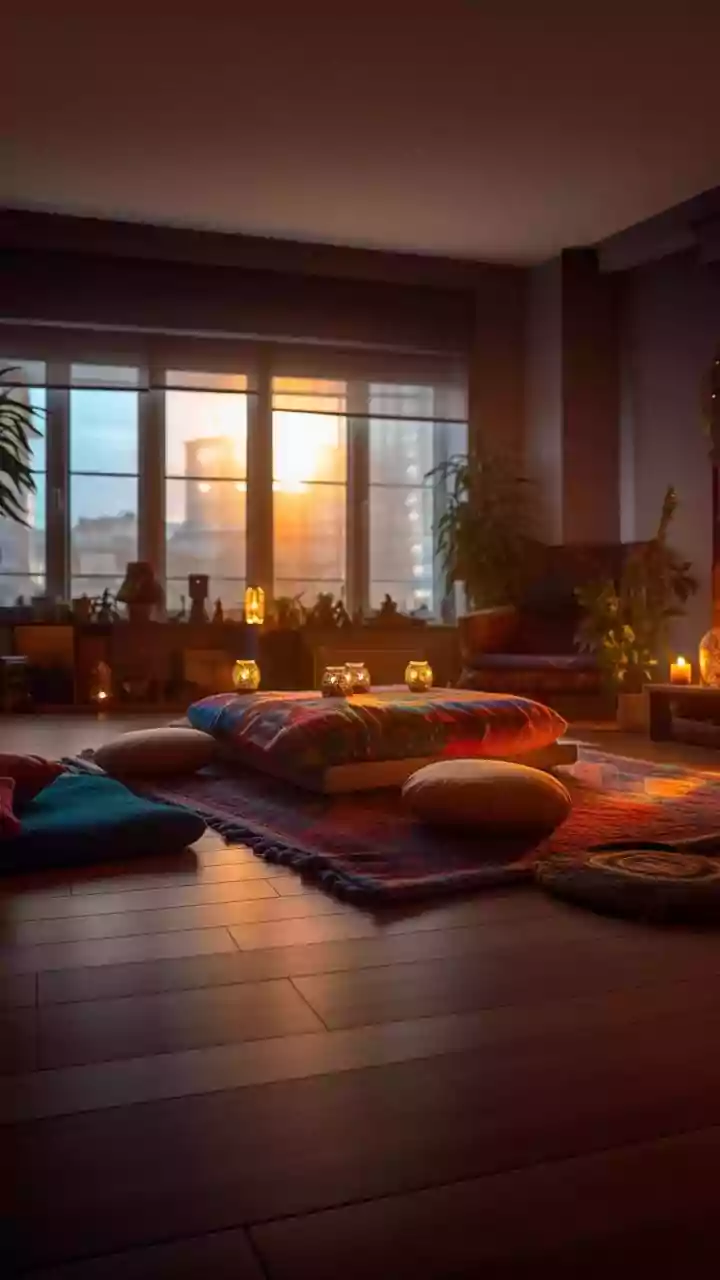
This turn towards intense personalisation of living spaces is also a psychological response to a world that often feels chaotic and uncertain. For a generation that has navigated a pandemic, economic instability, and social upheaval, creating a controlled, comforting environment is a powerful form of self-care. The act of choosing a colour palette, nurturing a plant, or arranging objects on a shelf provides a tangible sense of agency. This 'nesting' instinct is about more than just aesthetics; it’s about crafting a safe haven where one can decompress and feel grounded. In a digital-first world, the physical environment becomes a crucial anchor for mental well-being, and the home is the one place where they can exercise complete creative control.
Sustainability and the DIY Spirit
Unlike previous generations that might have invested in expensive 'forever furniture', Gen Z's approach is often more fluid, budget-conscious, and sustainable. This has fuelled a renaissance in DIY (Do-It-Yourself) projects and thrift shopping. Upcycling an old table found on the street, painting a unique mural, or creating custom art from inexpensive materials is not just about saving money—it's a badge of honour. This approach aligns perfectly with Gen Z's reported values of sustainability and individuality. A thrifted vase or a hand-painted piece of furniture tells a more interesting story than a mass-produced item. In India, this taps into a long-standing culture of 'jugaad' and resourcefulness, where creating beauty from everyday objects is second nature.
The Indian Scene: Small Spaces, Big Ideas
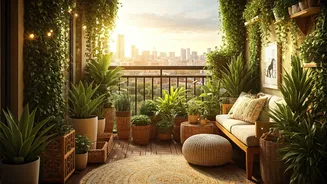
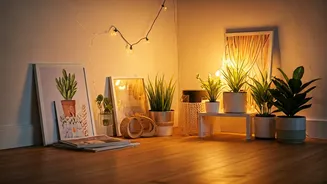
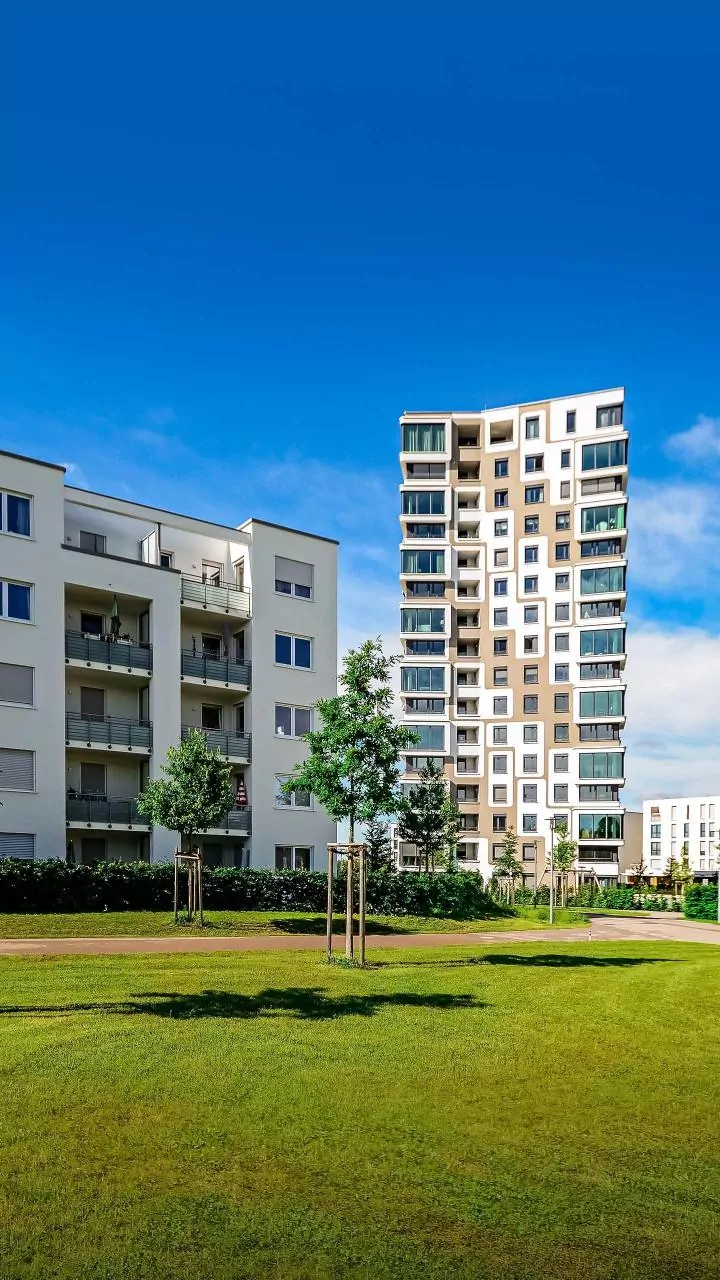
In Indian cities, where young professionals and students often live in compact apartments, paying guest (PG) accommodations, or shared flats, this trend takes on a unique flavour. The challenge of a small, often restrictive space becomes a creative constraint to be overcome. It's about using clever storage solutions, adding personality with vibrant local textiles from a neighbourhood market, using removable wallpapers to bypass 'no-paint' rules, and filling balconies with greenery. From quirky coffee mugs and indie art prints to fairy lights that transform a simple corner, the focus is on making a temporary space feel deeply personal and distinctly Indian, proving that you don't need a large budget or a sprawling home to create a space that feels entirely your own.