

The Challenge with Today's Batteries
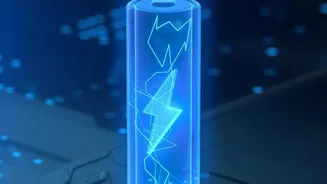
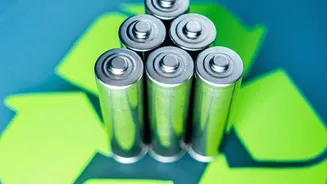
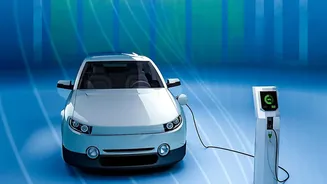
Electric vehicles predominantly rely on lithium-ion batteries. While powerful, they have a well-known vulnerability. Inside these batteries is a liquid electrolyte, a chemical soup that allows energy to flow. This liquid is often volatile and flammable.
In the rare event of a short-circuit or damage, it can lead to a dangerous situation known as 'thermal runaway,' where the battery overheats and can catch fire or explode. Furthermore, the materials used, like lithium and cobalt, come with their own environmental and supply chain challenges, raising questions about the long-term sustainability of EV production. As demand for EVs soars, the search for a safer, greener alternative has become one of the most urgent quests in the automotive and technology sectors.
A Solution from the Fields
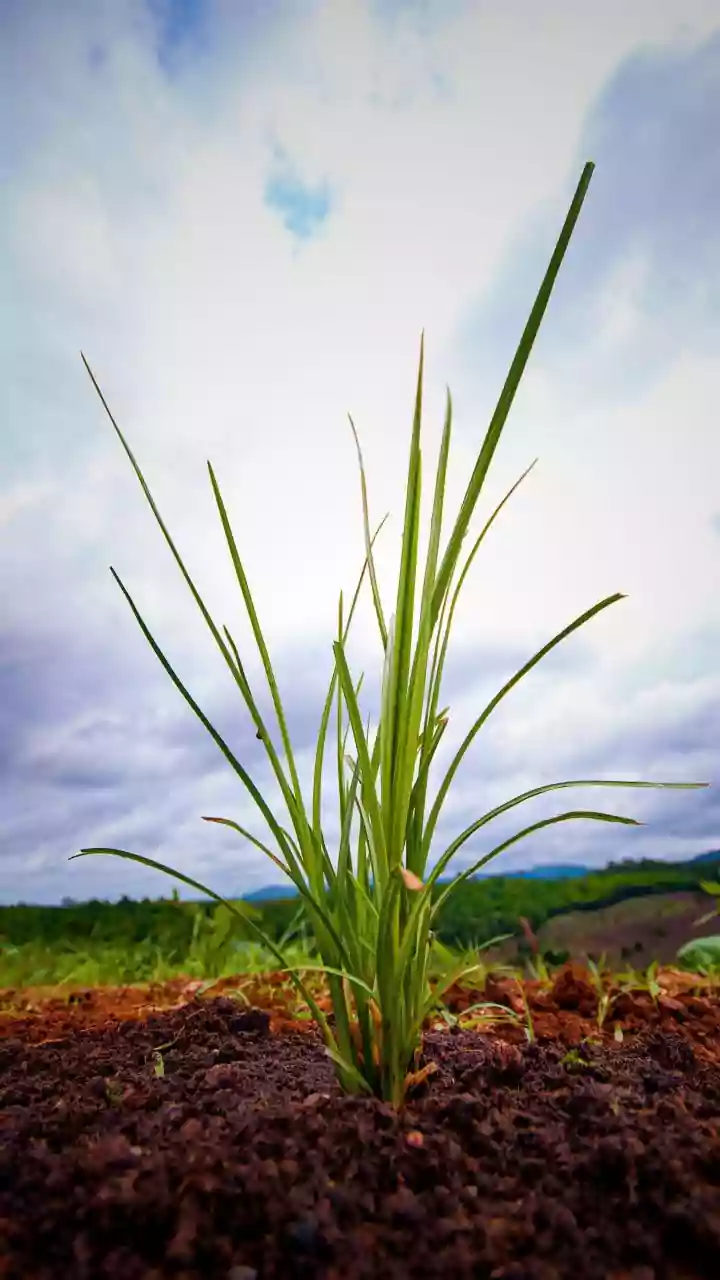
The breakthrough comes from an unlikely source: lignocellulose. This is the dry, structural matter that makes up the cell walls of plants. Think wood, straw, and corn stover—the stalks and leaves left after a harvest. For years, this agricultural 'waste' has been a disposal problem. Now, scientists see it as a valuable resource. Lignocellulose is primarily composed of three components: cellulose, hemicellulose, and lignin. Researchers have discovered that these natural polymers can be processed to create a solid or gel-like electrolyte. This bio-based electrolyte replaces the flammable liquid in conventional batteries, promising a dramatically safer power source.
From Farm Waste to Battery Power
The process involves transforming this abundant biomass into a sophisticated battery component. Scientists extract the cellulose and lignin from the waste material. Cellulose provides a strong, rigid structure, while lignin, a complex polymer, enhances thermal and electrochemical stability. When combined, they can form a gel polymer electrolyte. This material is not only mechanically robust but also possesses high ionic conductivity, meaning it allows lithium ions to move through it efficiently—a key requirement for a functional battery. Crucially, because this electrolyte is a solid or a gel and derived from stable natural polymers, it is not flammable. This design inherently prevents the leakage and fire risks associated with liquid electrolytes, making the battery far more stable even under stress.
Greener, Safer, and Abundant
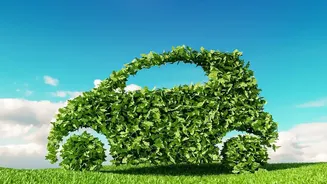
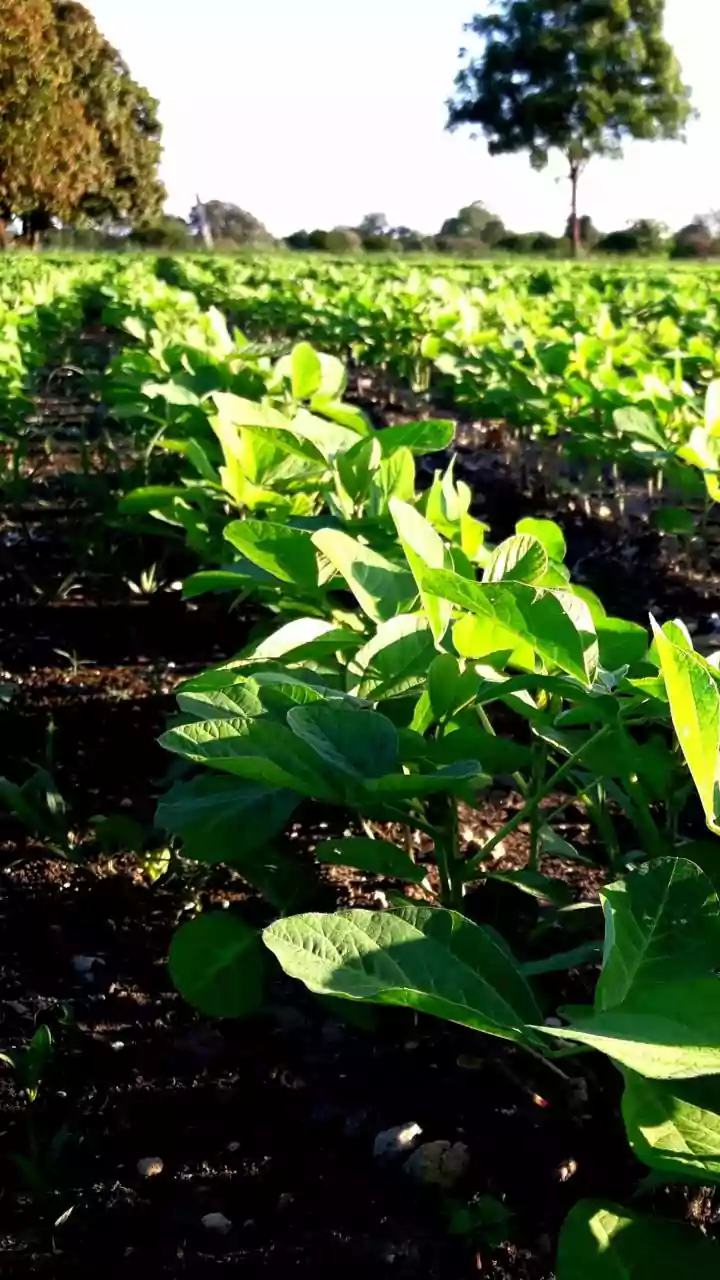
The benefits of this technology are twofold. First, there's the massive safety improvement. By designing out the flammable liquid, the risk of battery fires in EVs could be significantly reduced. This is a critical step for consumer confidence and public safety, so much so that new regulations are already demanding non-flammable battery designs. Second, it offers a remarkable sustainability advantage. Agricultural waste is one of the most abundant renewable biomass resources on Earth. In a country like India, finding a high-value use for agricultural residue could help address the annual problem of stubble burning, turning a source of pollution into a component for a green-energy future. This approach aligns with the principles of a circular economy, creating value from waste and reducing reliance on mined minerals.
What Lies on the Road Ahead
While the science is promising, turning this laboratory breakthrough into a mass-produced reality for the EV market presents several challenges. Researchers are focused on optimizing the performance of these bio-based electrolytes to match or exceed the energy density and charging speeds of current lithium-ion batteries. Scaling up the production process from a lab to an industrial level, while keeping it cost-effective, is the next major hurdle. The technology needs to prove it can withstand thousands of charge-and-discharge cycles over many years, just as consumers expect from their vehicles today. Despite these challenges, the potential to create safer, more sustainable batteries from a globally abundant resource is driving significant research and development. It represents a fundamental shift in how we think about energy storage, moving from purely synthetic materials to solutions inspired and supplied by nature itself.