

Start with a Long-Lasting Bloom
The single most important factor in a long-lasting bouquet is the type of flower you choose. Some blooms are simply hardier than others. While delicate flowers have their charm, they also have a notoriously short vase life. If longevity is your goal,
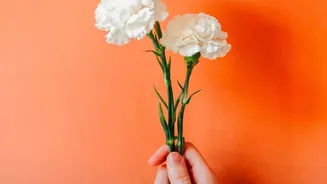
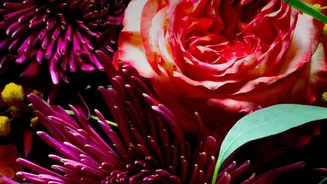
seek out flowers known for their staying power. Chrysanthemums, for example, are champions of the vase, often looking fresh for two to three weeks. Carnations are another classic choice, frequently lasting up to 21 days with proper care. Other excellent options include zinnias, alstroemeria (Peruvian lilies), and orchids, all of which can easily surpass the one-week mark and often last for two weeks or more. In contrast, flowers like poppies and dahlias, while stunning, may only last a few days. When selecting your bouquet, look for flowers that are just beginning to open. For roses, this means only one or two outer petals have unfurled. This ensures you get to enjoy the entire blooming process at home.
The First Hour is Critical
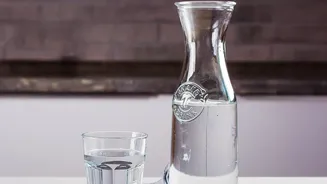
How you handle flowers as soon as you get them home sets the stage for their entire vase life. Flowers that have been out of water, even for a short time, can have air bubbles enter their stems, which blocks water absorption. The first step is to prepare a clean vase—bacteria are the enemy of fresh flowers, so wash it with soap and water first. Next, fill it with lukewarm water. While it may seem counterintuitive, warmer water molecules are absorbed more easily by the stems. Before placing your flowers in the vase, you must re-cut the stems. Using a sharp knife or floral shears (never dull household scissors, which can crush the stems), trim at least an inch off the bottom at a 45-degree angle. This angled cut increases the surface area for water uptake. Immediately after cutting, strip any leaves that will fall below the waterline. Submerged leaves will rot, creating a breeding ground for bacteria that will clog the stems and shorten the life of your entire arrangement.
Control the Temperature and Environment
Once your flowers are prepped and in their vase, where you place them matters immensely. Heat and direct sunlight are major adversaries, causing flowers to lose moisture through their petals much faster than they can absorb it through their stems. This leads to premature wilting. The ideal environment for most cut flowers is a cool room, generally between 18 and 22 degrees Celsius. Keep arrangements away from heat-emitting radiators, sunny windowsills, and even electronics that generate warmth. Another invisible threat is ethylene gas, a natural plant hormone that accelerates aging and wilting. The most common source of ethylene in a home is ripening fruit. A bowl of apples on the same table as your bouquet can significantly shorten its life, so keep them separated. For an extra boost, some florists recommend placing your bouquet in the refrigerator overnight. The cold temperature slows down the flowers' metabolic processes, helping them conserve energy and stay fresh longer.
Provide Ongoing Care and Nutrition
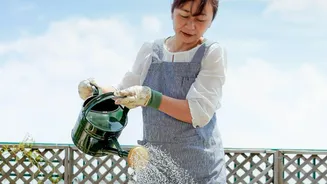
Your job isn’t done after the initial setup. Consistent care every couple of days can add a week or more to a bouquet's life. The water in the vase should be changed every one to two days to prevent bacterial growth. When you change the water, give the stems another fresh trim to ensure they can continue to drink efficiently. This is also the time to add more flower food. Those little packets that come with bouquets aren't a gimmick; they are scientifically formulated to help your flowers thrive. They typically contain three key ingredients: a sugar for energy, an acidifier to lower the water's pH for better uptake, and a biocide to kill bacteria. While homemade solutions using sugar, vinegar or lemon juice, and a drop of bleach can work in a pinch, studies have shown that commercial preservatives are generally more effective because of their precise formulation. As you see individual flowers begin to fade, remove them from the arrangement. This prevents them from releasing ethylene gas and keeps the remaining blooms looking their best.