







Why Traditional Proteins Feel Heavy
Ever wondered why a rich mutton curry or a heavy plate of biryani feels like a bad idea in May? It’s not just you. The reason lies in the ‘thermic effect of food’ (TEF). Your body uses energy to digest and process food, which generates heat. Protein has
the highest TEF, meaning it requires more energy to metabolise compared to fats and carbs. While this is great for metabolism, consuming dense, high-fat animal proteins in hot weather can literally make you feel hotter and more sluggish. This understanding is driving a shift away from traditionally heavy protein preparations towards options that are easier to digest and less heat-inducing, helping maintain energy levels without the post-meal slump.
The Rise of Plant-Based Power
The smartest shift has been towards plant-based proteins, which are often lighter on the digestive system. Lentils (dal), chickpeas (chana), and beans are no longer just staples; they are being consciously chosen for their summer-friendly properties. A bowl of moong dal, for instance, is not only packed with protein but is also famously easy to digest. Salads made with boiled chickpeas or sprouts are becoming go-to lunches. These options provide sustained energy without the heaviness of red meat. They also come with the added benefits of fibre and essential nutrients, contributing to better gut health and overall wellness, making them a cornerstone of the modern Indian summer diet.
Embracing Leaner Animal Sources
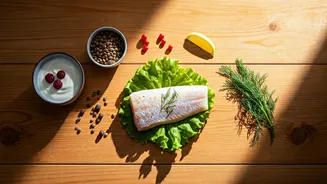
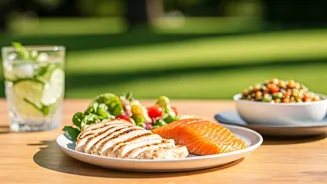
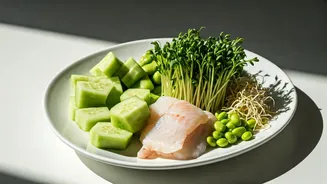
For non-vegetarians, the smart choice is not to abandon animal protein but to switch to leaner alternatives. Fish and chicken are leading the charge. Unlike red meat, they have lower fat content and are generally quicker to digest. The change is also in the preparation. Instead of heavy, oil-laden curries, people are opting for grilled fish, tandoori chicken, and light chicken stews. These cooking methods reduce the overall fat content and make the meal feel significantly lighter. Fish, in particular, is an excellent source of omega-3 fatty acids, which have anti-inflammatory properties that can be beneficial during the physically stressful summer season.
Cooling with Curd and Paneer
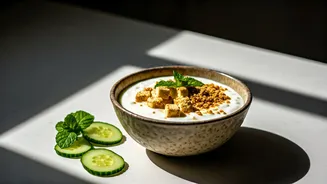
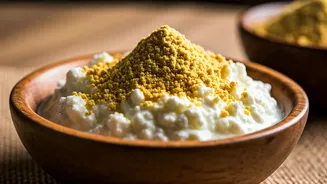
Traditional Indian wisdom has always celebrated the cooling properties of dairy, and this knowledge is now being applied to protein intake. Dahi (curd) and chaas (buttermilk) are summer superstars. They are not only hydrating but also excellent sources of protein and probiotics, which aid digestion. A glass of masala chaas can be more refreshing and protein-rich than many sweetened beverages. Paneer is another fantastic option. Eaten raw in salads, lightly sautéed with vegetables, or grilled as a tikka, it provides a substantial protein punch without being overly heavy. These dairy choices perfectly balance the need for protein with the body's need to stay cool.
Seeds and Nuts: The Snackable Solution
One of the most significant trends is the integration of seeds and nuts as easy, on-the-go protein sources. A handful of almonds, walnuts, or roasted pumpkin seeds can be a perfect mid-day snack to curb hunger and boost energy. Chia seeds and sabja (basil) seeds are also gaining immense popularity. When soaked, they become gelatinous and have a cooling effect on the body. Adding a spoonful of soaked chia seeds to water, lemonade, or smoothies is a simple hack to increase protein and fibre intake while also promoting hydration. This 'snackification' of protein makes it easier to meet daily requirements without sitting down for a large, heavy meal.