
The National Dream Takes Shape
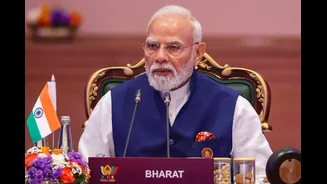
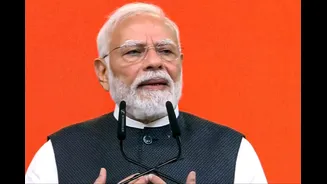
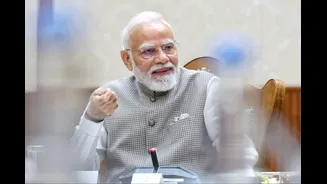
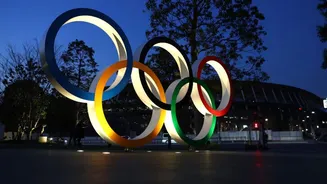
The bid for the 2036 Olympics is no longer a vague aspiration; it's a stated national goal. Prime Minister Narendra Modi has publicly confirmed India's determination to host the Games, framing it as the 'dream and aspiration of 140 crore Indians'. This
ambition has been formalized through an official Expression of Interest submitted to the International Olympic Committee (IOC). The government's vision, branded 'Rising Together', positions the Olympics not just as a sporting event but as a catalyst for national transformation, designed to inspire youth, promote healthier communities, and create new opportunities. Ahmedabad in Gujarat is the proposed host city, with plans already in motion to position it as a global sports hub. This formal push signifies a major step, moving the conversation from 'if' to 'how'.
The Ahmedabad Blueprint
At the heart of India's bid is Ahmedabad, a city undergoing a significant infrastructure overhaul. The centerpiece is the sprawling Sardar Vallabhbhai Patel Sports Enclave, which already contains the world's largest stadium. Plans are underway to augment this with a new 50,000-seat football stadium, a tennis centre, an aquatics centre, and multiple indoor arenas. The strategy is to create a multi-city hub, distributing venues across different parts of the region to avoid congestion and spread development. This infrastructure push is being battle-tested as Ahmedabad prepares to host the 2030 Commonwealth Games, an event seen as a crucial stepping stone to prove its capabilities. The state government has already allocated significant funds, with a budget of ₹1,278 crore announced to make Ahmedabad an 'Olympic Ready City', focusing on transport, stadiums, and training facilities. However, challenges remain, particularly in accommodation, with the city needing to massively scale up its hotel capacity from around 5,400 rooms to nearly one lakh to meet Olympic standards.
The Billion-Dollar Question
Hosting the Olympics is a monumental financial undertaking. While official budgets are still speculative, initial estimates for India's bid have hovered around $7.5 billion (₹64,000 crore). History, however, offers a cautionary tale. Very few Games come in under budget, and many have experienced massive cost overruns. The London 2012 Games cost over $14 billion against revenues of $5.2 billion, while Beijing 2008 cost a staggering $42 billion. For developing nations, the financial risks are even higher. The Rio 2016 Olympics cost around $13.5 billion, and many of its purpose-built venues fell into disrepair shortly after, leaving a legacy of debt rather than a sporting dividend. The key question for India is whether this colossal expenditure represents a sound investment in long-term infrastructure and national development or a diversion of public funds that could be better used for other pressing needs.
More Than Just Medals
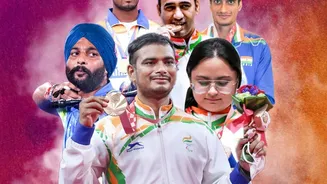
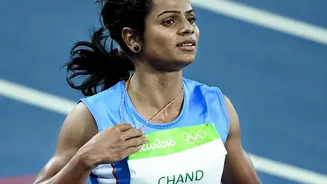
Proponents of the bid argue that the benefits of hosting extend far beyond financial returns. Successfully staging the Games would be an immense boost to India's soft power and global image, showcasing its organisational capacity and economic dynamism. At home, it could spark a grassroots sporting revolution. The government has already announced a nationwide talent hunt for children aged 5 to 15, aiming to improve India's performance across a wider range of Olympic disciplines. A home Games would provide an unparalleled platform to inspire a new generation of athletes and create a more active, health-conscious population. Furthermore, the legacy of an Olympics can include vastly improved urban infrastructure, from public transport to public spaces, that benefits citizens for decades after the closing ceremony. The 'Rising Together' vision explicitly links the Games to social development, employment, and education.
From Vision to Victory
India is one of several nations, including Qatar, Germany, and South Korea, in discussions with the IOC to host in 2036. The path to becoming a host city is a long and competitive one, with the final decision expected in mid-2029. For India's bid to succeed, it must demonstrate not only world-class infrastructure but also a sustainable, legacy-driven plan. This means ensuring venues have a purpose after the Games, managing costs effectively to avoid public debt, and guaranteeing smooth, transparent governance. The 2030 Commonwealth Games in Ahmedabad will serve as a critical test run, with the world watching to see if India can deliver a major multi-sport event seamlessly. Readiness, therefore, isn't just about building stadiums. It's about proving that India has the strategic foresight to turn a two-week sporting spectacle into a lasting national triumph.