





The universal craving for a crunchy, salty snack often leads us straight to a bowl of popcorn. But what if a healthier, homegrown hero was waiting in the wings? Enter puffed ragi pops, a nutritious and satisfying alternative rooted in Indian tradition.
What Are Puffed Ragi Pops?
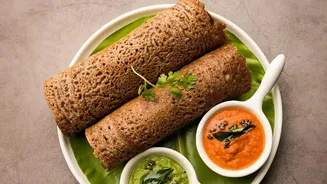
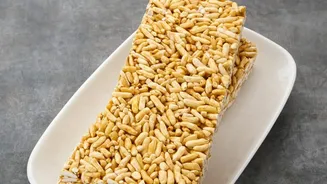
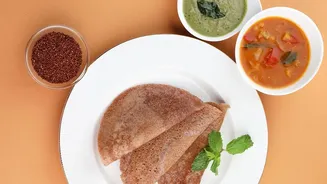
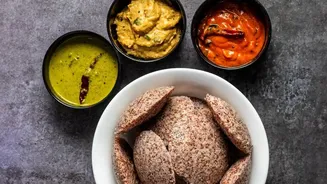
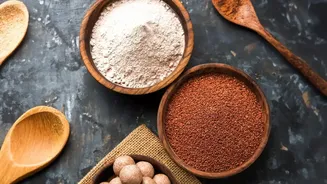
Puffed ragi pops are made from finger millet, a super-grain that has been a staple in South Indian kitchens for centuries. Known as 'nachni' in some regions, ragi is a small, reddish-brown grain celebrated for its hardiness and dense nutritional profile. The 'pops' are created by puffing the whole millet grains using heat, similar to how corn kernels are popped. This process gives them a light, airy, and crunchy texture without the need for deep-frying, making them an inherently lighter snack. Unlike popcorn, which can sometimes be heavy, especially when laden with butter, ragi pops offer a crisp bite that is both satisfying and easy to digest.
The Nutritional Showdown: Ragi vs. Corn
Here's where ragi truly shines. While air-popped popcorn is a whole grain and a decent source of fibre, ragi's nutritional resume is far more impressive. Ragi is renowned for being one of the best plant-based sources of calcium, containing significantly more of the bone-building mineral than most other cereals. Some sources state that ragi contains about 344mg of calcium per 100g, which is substantially higher than milk. Furthermore, ragi is a rich source of iron and dietary fibre. The high fibre content not also aids digestion but also promotes a feeling of fullness, which can help prevent over-snacking. Ragi is also naturally gluten-free, making it an excellent and safe choice for individuals with gluten sensitivity or celiac disease.
A Better Bet for Blood Sugar
Another significant advantage of ragi lies in its low glycemic index (GI). The glycemic index measures how quickly a food raises blood sugar levels after being eaten. Ragi generally has a GI score that falls in the low to medium range, meaning it releases sugar into the bloodstream more slowly. This provides sustained energy and helps avoid the sharp spikes and subsequent crashes often associated with high-GI snacks. While plain popcorn has a moderate GI, the value can increase depending on preparation and toppings. Ragi's complex carbohydrates and high fibre content make it a smarter choice for managing blood sugar levels, a key consideration for diabetics and health-conscious individuals alike.
Taste, Texture, and Versatility
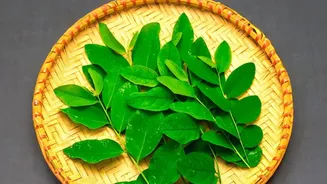
But is it as enjoyable as popcorn? For many, the answer is a resounding yes. Puffed ragi has a subtle, earthy, and nutty flavour that is pleasant on its own but also serves as a perfect canvas for seasonings. The texture is light and crispy, providing the satisfying crunch that snackers crave. You can enjoy ragi pops in both sweet and savoury forms. For a classic movie snack, toss them with a little salt and spices like turmeric or cumin. They can also be turned into a 'chivda' or 'namkeen' mix with peanuts and curry leaves. For a sweet treat, they can be coated in chocolate or mixed with jaggery, making them a versatile snack for any time of day.
Puffed ragi pops are becoming increasingly available in health food stores and online. You can also make them at home by dry roasting ragi grains on low heat until they begin to puff. The process involves soaking the grains overnight drying them and then roasting. In terms of cost ragi is often more economical than imported popcorn kernels offering more nutritional value for your money. By choosing ragi you are not only opting for a healthier snack but also embracing a traditional Indian grain that is both sustainable and incredibly nourishing.