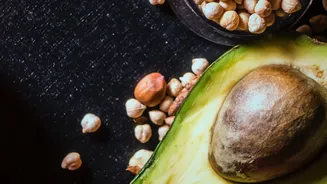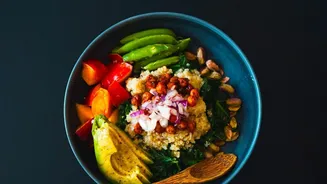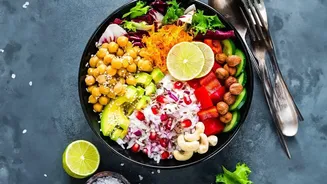


It's a match made in food heaven: creamy avocado paired with hearty chickpeas. Whether smashed on toast or tossed in a salad, this combination is a modern classic. But when it comes to protein, one of these ingredients does the heavy lifting.
The Protein Numbers Don't Lie
Let's get
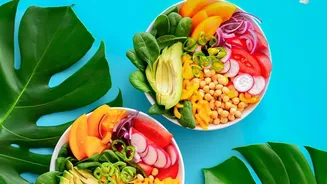
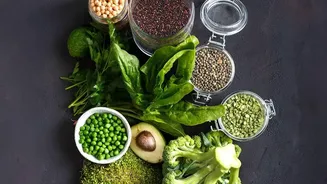
straight to the point. The headline is correct: the bulk of the protein in this popular duo comes from the chickpeas. A 100-gram serving of cooked chickpeas, which is roughly half a cup, contains about 8 to 9 grams of protein. In stark contrast, the same amount of avocado provides only about 2 grams of protein. So, while avocados bring a lot to the table nutritionally, high protein content isn't one of their main features. If you're eating a salad with half a cup of chickpeas and half an avocado, the chickpeas are providing more than four times the protein.
Chickpeas: A Plant-Based Powerhouse
Chickpeas, also known as garbanzo beans, are a true nutritional powerhouse and a staple in many diets around the world, including in India where they are known as chana. Their impressive protein content makes them a go-to for vegetarians and anyone looking to increase their plant-based food intake. But their benefits don't stop there. That same 100-gram serving also delivers a significant amount of dietary fibre, which is crucial for digestive health and helps keep you feeling full and satisfied. Chickpeas are also rich in essential minerals like iron, folate, magnesium, and manganese, which support everything from energy production to bone health.
Avocado: The Creamy Source of Good Fats
If avocado isn't the protein star, what is its role? Avocado's primary claim to fame is its high content of healthy monounsaturated fats. These are the 'good fats' that contribute to heart health by helping to manage cholesterol levels. Avocados are also an excellent source of fibre, potassium (even more than a banana), and vitamins like E, K, and various B vitamins. The healthy fats and fibre in avocados slow down digestion, which helps stabilise blood sugar levels and increases feelings of fullness, making them a great partner for the protein and fibre from chickpeas.
A Perfect Nutritional Partnership
The real magic happens when you combine these two foods. While chickpeas are a good source of protein, they are considered an 'incomplete' protein. This means they are low in one of the nine essential amino acids the body can't make itself, specifically methionine. Avocados, while low in protein overall, help supplement the nutritional profile. More importantly, when you pair chickpeas with grains like in a whole-wheat pita with hummus, you create a complete protein. The combination of protein from chickpeas, healthy fats from avocado, and complex carbohydrates from a grain makes for a balanced, energy-sustaining meal. This trio keeps you feeling full for longer, prevents energy spikes and crashes, and delivers a wide array of essential nutrients.
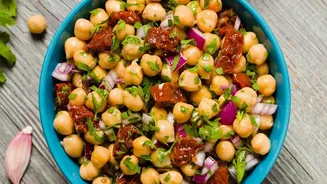
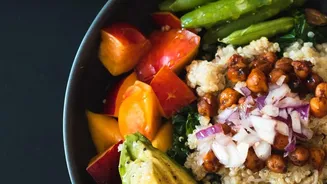
Putting this nutritional knowledge into practice is the fun part. The most popular way to combine these ingredients is by making a 'chickpea smash' as an alternative to traditional avocado toast. Simply mash cooked chickpeas with a ripe avocado, a squeeze of lemon juice, and seasonings, then spread it on whole-grain bread. This combination also shines in salads. Toss whole chickpeas and diced avocado with leafy greens, cherry tomatoes, and a light vinaigrette for a refreshing and filling lunch. You can even blend chickpeas, avocado, and tahini to create a creamier, richer version of hummus. No matter how you choose to combine them, you're creating a meal that is both delicious and nutritionally smart.