








The Race Against the Rain
For anyone trying to catch a flight from Kolkata's Netaji Subhas Chandra Bose International Airport, the monsoon adds a stressful new dimension to the journey. A sudden downpour can turn a 30-minute drive into an hour-long ordeal. Key arteries like VIP
Road are prone to waterlogging, creating bottlenecks that can bring traffic to a standstill. The India Meteorological Department (IMD) has confirmed that heavy to very heavy rainfall is expected across South Bengal, including Kolkata, Howrah, and Hooghly. This isn't just a brief shower; it's a persistent weather system fuelled by a monsoon trough and a cyclonic circulation over the Bay of Bengal, ensuring that travel disruptions are not a matter of 'if' but 'when'. Airlines have already started issuing advisories, urging passengers to plan for extra travel time to the airport.
Why 'On Time' Becomes 'Too Late'
During the monsoon, planning to arrive at the airport just in time is a recipe for disaster. The problem starts far from the terminal gates. Heavy rain affects every mode of transport leading to the airport. Localised flooding can close underpasses and submerge low-lying areas, forcing last-minute route changes. This ripple effect means that even if your flight is scheduled to be on time, your ability to reach it is compromised. Experts advise that building a significant buffer into your travel schedule is not a luxury but a necessity. Aiming to be at your departure city a day or two early for crucial flights can save you from immense stress. The goal is to account for the 'unexpected' which, during the monsoon, is almost guaranteed.
Navigating Challenges at the Airport
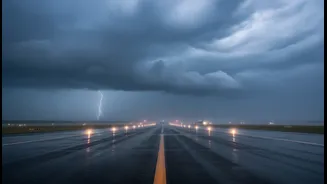
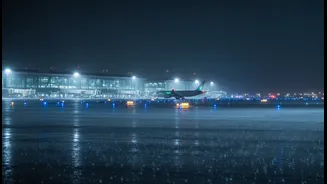
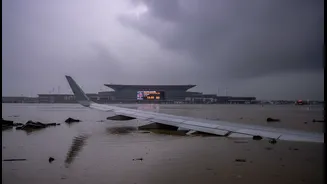
Even after you've battled the traffic and reached the airport, the challenges aren't over. Heavy rain, thunderstorms, and reduced visibility frequently lead to flight delays or even cancellations across Eastern India. When weather disrupts operations, passengers who arrived late are often at the back of the queue for rebooking or finding alternative arrangements. Being early gives you a crucial advantage: time. You can calmly assess your options, speak with airline staff without the added pressure of a ticking clock, and make better decisions. Furthermore, severe weather like thunderstorms can create safety issues even for parked aircraft, as seen in a recent incident at Kolkata airport where a lightning strike grounded a flight, causing a delay of over three hours for passengers.
Beyond the Flight: Regional Travel Woes
The advice to leave earlier extends to all forms of travel across Eastern India during this season. The IMD has issued alerts for widespread rainfall in West Bengal, Bihar, Jharkhand, and Odisha. For those travelling by train or road, the risks include more than just delays. Incessant rain can trigger landslides in hilly areas of West Bengal and the Northeast, blocking roads for hours or even days. Railway tracks can become waterlogged, leading to train cancellations, diversions, or significant delays. Authorities have repeatedly advised residents and travellers in these regions to monitor weather updates, avoid waterlogged areas, and follow traffic advisories closely. A flexible itinerary is your best defence against getting stranded.
A Practical Monsoon Travel Checklist
Leaving early is the golden rule, but other preparations can make your journey smoother. Always check the latest district-level weather forecasts before you depart. Pack essentials in waterproof bags to protect documents and electronics. Carry a fully charged power bank, as power cuts can accompany heavy storms. Opt for quick-drying synthetic clothing over heavy cottons like jeans. For footwear, choose waterproof shoes with a good grip to navigate slippery surfaces. Finally, keep some dry snacks and a bottle of clean drinking water with you, as you never know when you might face a prolonged delay.