




Understanding the Monsoon's Phased Retreat
The monsoon withdrawal isn't like flipping a switch. It's a slow, staggered process that takes several weeks. According to the India Meteorological Department (IMD), the retreat typically begins from the northwestern parts of the country, like West Rajasthan,
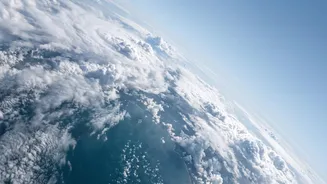
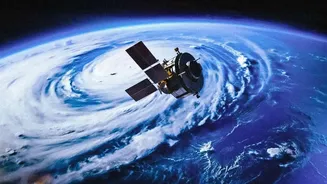
around mid-September. The process is officially declared based on criteria like a continuous five-day dry spell and changes in wind patterns. From the northwest, the line of withdrawal moves progressively southeast across the subcontinent. This means that while Delhi might be enjoying dry, post-monsoon skies, Kerala could still be experiencing significant rainfall. For 2026, forecasters note that while satellite imagery shows reduced cloud cover, the official withdrawal is expected to commence around September 15th, maturing by September 21st. This gradual retreat is what creates unique travel opportunities across different regions at different times.
The 'Shoulder Season' Sweet Spot
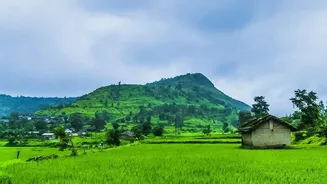
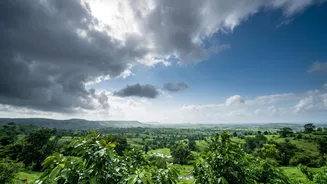
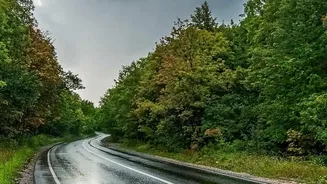
The period immediately following the monsoon, from late September through November, is often called the 'shoulder season'. This window is arguably one of the best times to travel in India for several reasons. Months of rain leave the landscapes incredibly lush and green, waterfalls are at their peak, and the air is freshly washed and clear of summer dust. This makes it a dream for photographers who can capture dramatic skies and vibrant scenery. Furthermore, since this period falls just before the peak winter tourist season, many destinations are less crowded. This often translates into better deals on flights and accommodation, offering greater value for money.
Newly Accessible Himalayan Vistas
For mountain lovers, the end of the monsoon is a much-awaited event. The heavy rains that make trekking and travel difficult in states like Himachal Pradesh and Uttarakhand finally subside, revealing clear skies and breathtaking views of the snow-capped peaks. Destinations like Manali, Shimla, and Auli become comfortable and green. The Tirthan and Sainj valleys in Himachal, gateways to the Great Himalayan National Park, retain their lush forests of oak and pine long after the rains retreat. Many national parks, including the famous Valley of Flowers and Jim Corbett National Park in Uttarakhand, which are closed during the monsoon, reopen in September and October, offering pristine natural beauty.
Rejuvenated Plains and Coasts
It's not just the mountains that come alive. The plains and coastal regions also transform. In Rajasthan, the City of Lakes, Udaipur, looks particularly royal with its replenished lakes set against a greener-than-usual landscape. Further south, the hill stations of the Western Ghats are at their most beautiful. Munnar in Kerala and Coorg in Karnataka are draped in electric green tea and coffee plantations, with mist-laden hills and full-flowing waterfalls. Even the popular beach destination of Goa enters a serene pre-season phase. The crowds are yet to arrive, but the landscape is lush and the weather pleasant, making it ideal for a quiet coastal getaway.
Practical Tips for Post-Monsoon Travel
While the post-monsoon season is ideal, a little planning goes a long way. Always check the specific regional weather forecast before you travel, as the monsoon's withdrawal date varies. In mountainous areas, be aware that even after the rain stops, road conditions can be challenging due to landslides, so factor in extra travel time. Though major rains have passed, occasional showers can still occur, so packing a light waterproof layer is a good idea. Since this is a shoulder season, you can often find good deals, but it's still wise to book accommodation and transport in advance, especially if you plan to travel around the time of festivals like Dussehra or Diwali, which often fall in October.