




Understanding Fibre's Role in Your Health
Dietary fibre is a type of carbohydrate found in plants that your body can't fully digest. It plays a crucial role in maintaining good health. There are two main types: soluble and insoluble. Soluble fibre dissolves in water to form a gel-like substance,
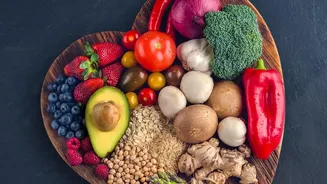
which helps lower cholesterol and regulate blood sugar levels. Insoluble fibre adds bulk to stool, aiding digestion and preventing constipation. A diet rich in both types of fibre is linked to better weight management, improved heart health, and a healthier gut. Health authorities like the Indian Council of Medical Research (ICMR) recommend that adults consume around 25 to 40 grams of fibre daily, a target that many urban diets, heavy on refined foods, currently miss.
The Unsung Hero: Your Daily Dal
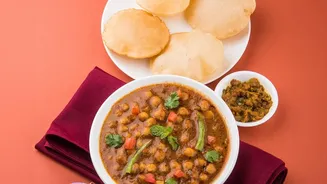
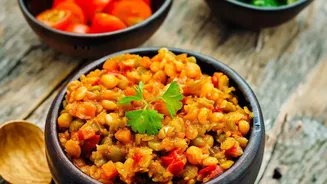
The humble dal, a cornerstone of Indian cuisine, is a fibre powerhouse. Lentils and pulses like toor, moong, masoor, and chana are packed with both protein and fibre, a combination that promotes a feeling of fullness and helps stabilise blood sugar. For instance, rajma (kidney beans) and chana dal (split chickpeas) are among the best sources. A single katori of rajma can provide a significant portion of your daily fibre needs. To maximise the benefit, opt for thicker dals and whole pulses (sabut dal) over highly strained or watery preparations, as this retains more of the fibrous structure. Including a dal or legume dish with every main meal is a simple and effective strategy to boost your fibre intake.
Rethink Your Grains and Rotis
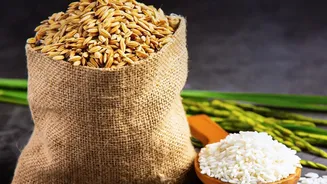
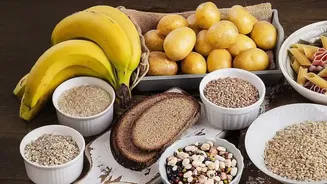
The choice of grain for your daily roti or rice makes a substantial difference. Whole wheat atta, used for making traditional rotis, contains significantly more fibre than refined flour (maida), which is used for naan or white bread. One whole wheat roti has about four times more fibre than a slice of white bread. You can further enhance your rotis by mixing in other flours like jowar, bajra, or ragi, which can add extra fibre and nutrients. Similarly, choosing brown or red rice over polished white rice is a simple swap that increases fibre content. These whole grains have a lower glycemic index, meaning they release energy more slowly and keep you feeling full for longer.
Maximise the Goodness of Sabzi
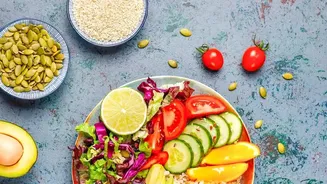
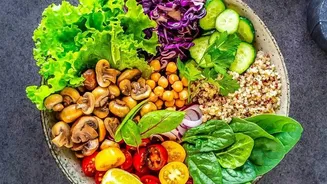
Vegetables are a fantastic source of fibre, and Indian cuisine offers a vast and delicious variety. Staples like bhindi (okra), spinach, carrots, and sweet potatoes are all rich in fibre. Okra, in particular, is noted for its digestive benefits. One of the easiest ways to increase fibre is to simply increase the proportion of vegetables on your plate. Try to fill half your plate with sabzi or salad at lunch and dinner. Another simple trick is to cook vegetables with their skins on whenever possible, such as with potatoes or apples, as the skin contains a high concentration of fibre. Adding a variety of colourful vegetables to your dals, pulao, or upma is another effortless way to enhance their nutritional value.
Smart Snacking with Fruits and Seeds
Snack time offers another opportunity to meet your daily fibre goals. Instead of reaching for packaged snacks, opt for whole fruits. Guava is one of the most fibre-rich fruits commonly available in India, followed closely by apples, pears, and bananas. Eating the whole fruit is always better than drinking juice, as the juicing process removes the beneficial fibre. Nuts and seeds are also excellent sources. A small handful of almonds or walnuts, or a spoonful of flax or chia seeds sprinkled over yoghurt or a smoothie, can add a quick fibre boost. Roasted chana makes for a crunchy, satisfying, and high-fibre alternative to fried snacks.