




A Greener Alternative to Plastic Foams
For decades, petroleum-based foams like expanded polystyrene (EPS) and polyurethane have been the go-to for insulating buildings. While effective, they come with a significant environmental cost. They are derived from fossil fuels, are not biodegradable,
and can release harmful chemicals. Researchers, particularly from Germany's Fraunhofer Institute for Wood Research (WKI), have pioneered a compelling alternative: wood-fibre foam. This innovative material is made by grinding down wood particles—often leftovers from the timber industry—into a watery pulp, foaming it with gas, and then drying it. The result is a lightweight, porous foam board that insulates effectively without synthetic adhesives, relying on the wood's natural bonding agents.
More Than Just Eco-Friendly
The benefits of wood-fibre insulation go far beyond its sustainable origins. A key advantage is its 'breathability' or vapour permeability. Unlike plastic foams that can trap moisture within walls and lead to mould and rot, wood fibre allows water vapour to pass through, helping to regulate indoor humidity and protect the building's structure. It also possesses high thermal mass, meaning it absorbs and releases heat slowly. This helps keep homes cooler during hot summer days and warmer during winter nights, reducing the load on heating and cooling systems. Furthermore, it is a carbon sink; the carbon absorbed by the tree remains locked within the insulation for its entire lifespan. It's also an excellent sound dampener and, in the event of a fire, it chars rather than melts, releasing far fewer toxic gases than synthetic counterparts.
The Elephant in the Room: Price
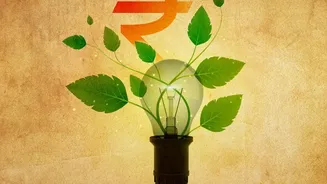
With such clear advantages, why isn't wood-fibre foam everywhere? The answer is cost. While exact figures for the foam are scarce because it's not yet mass-produced, existing wood-fibre board products are already more expensive than conventional options. For example, wood fibre boards can cost between ₹350 to ₹560 per square foot, whereas traditional fibreglass insulation can be as low as ₹25 to ₹125 per square foot. The foam version faces even greater hurdles. The manufacturing process is currently complex and energy-intensive, requiring specialised equipment. Conventional insulation materials have had decades to perfect their production processes and achieve massive economies of scale, making them incredibly cheap to produce. New green technologies rarely compete on price from day one.
The Path to Affordability
For wood-fibre foam to move from the lab to the mainstream building site, a significant scaling-up of production is essential. This is the primary way to bring down costs. Researchers and companies are actively working on refining the manufacturing process to make it more efficient and less energy-dependent. The Fraunhofer WKI has partnered with a German company to bring wood-foam panels to market, with initial deliveries expected around 2028, which signals progress toward commercialisation. In North America, companies like TimberHP are already making strides with wood-fibre insulation boards, gaining the necessary certifications to compete with traditional materials, which helps pave the way for foam in the future. Government incentives, carbon taxes on less sustainable materials, and growing consumer demand for green buildings could also play a crucial role in accelerating its adoption.
What Can Builders Do Now?
While builders and homeowners in India may have to wait for affordable wood-fibre foam, the good news is that other forms of wood-fibre insulation are already available. Products like semi-rigid boards and flexible batts offer many of the same benefits, including breathability, thermal mass, and sustainability. These products provide a tangible, high-performance green alternative that can be used today in walls, roofs, and floors. Opting for these existing wood-fibre solutions helps build market demand for sustainable materials and familiarises the construction industry with their application. This creates a more receptive environment for innovative products like foam once they become commercially viable. Think of it as preparing the ground for the next wave of green construction.