





The Great Pre-Festival Clean-Up
Long before the first sounds of dhol-tasha echo through the streets, the Ganpati festival begins quietly inside homes with a thorough cleaning. This is more than just a routine chore; it is a symbolic purification of the home to create a worthy space
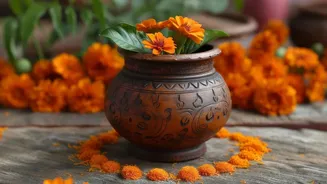
for a divine guest. Families undertake a deep clean, decluttering rooms, washing linens, and polishing surfaces. This 'ghar safai' is a cherished tradition, signifying a fresh start and the removal of negativity before Lord Ganesha’s arrival. Preparations often begin weeks in advance, ensuring every corner is spotless and ready. The space designated for the idol, usually in a corner of the living room or a dedicated puja room, receives special attention.
Choosing and Bringing Bappa Home
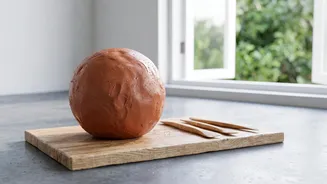
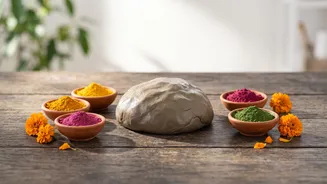
One of the most significant moments for any family is selecting their Ganpati idol. Workshops across Mumbai teem with artisans giving final touches to idols of all shapes and sizes. In recent years, there has been a significant and welcome shift towards environmental consciousness. More Mumbaikars are choosing eco-friendly idols made from 'shadu mati' (natural clay), paper mâché, or other biodegradable materials over traditional Plaster of Paris (PoP). These idols dissolve easily in water, preventing pollution of the city's water bodies. Many vendors are now exclusively offering green options, including innovative 'seed idols' that grow into plants after immersion. Families book their idols weeks, sometimes months, in advance, and the journey of bringing Bappa home is a celebration in itself, often accompanied by music and joyous chants.
Creating the Perfect Mandap
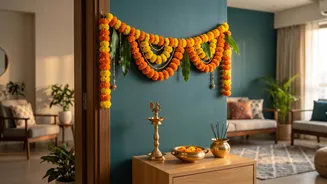
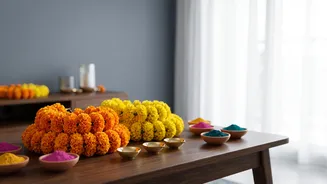
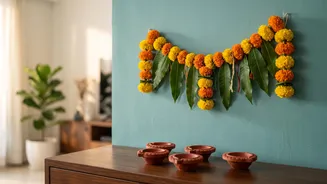
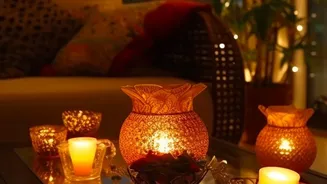
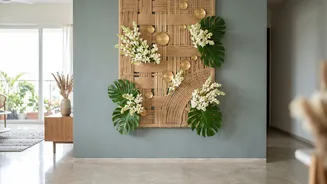
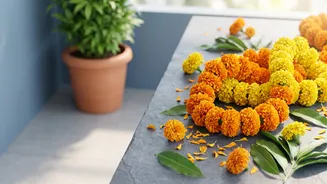
The 'mandap' or 'makhar' is the ornate shrine that will house the idol for the duration of the festival. Home decoration is where creativity truly shines. The trend for 2026 leans towards a blend of tradition and minimalism. Many are opting for eco-friendly decorations, using materials like fresh flowers, banana leaves, potted plants, paper fans, and cloth drapes instead of plastic and thermocol. Marigolds and jasmine are popular choices for floral arrangements, creating a fragrant and traditional backdrop. Lighting plays a crucial role in setting a festive mood. Warm fairy lights, combined with traditional brass diyas and floating candles, create a serene and divine ambience. The goal is to make the decor look coordinated and elegant, ensuring the Ganesha idol remains the beautiful focal point.
Planning the Festive Feast
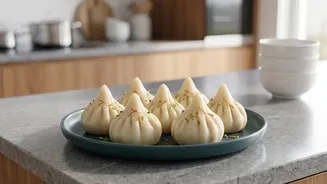
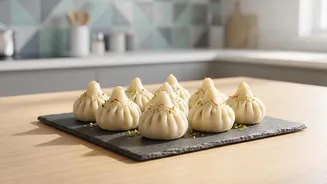
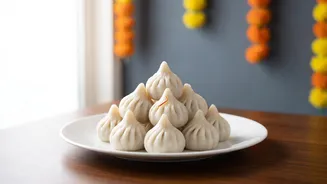
Food is central to any Indian festival, and Ganesh Chaturthi is no exception. Kitchens become a hub of activity as families plan the menu for the daily 'naivedya' (offerings) and meals for guests. The star of the festival is undoubtedly the 'modak', a sweet dumpling with a filling of coconut and jaggery, considered to be Lord Ganesha’s favorite. It is prepared in two main ways: steamed ('ukadiche modak') or fried ('talniche modak'). Other traditional delicacies that are meticulously planned include 'puran poli' (sweet flatbread), 'karanji' (sweet fried pastries), 'varan bhaat' (dal and rice), and a variety of ladoos. Planning the menu in advance ensures that all the special dishes can be prepared with love and offered to Bappa throughout his stay.