





The Problem with Plaster of Paris
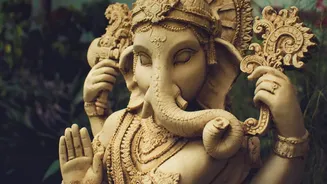
For decades, Plaster of Paris (POP) idols have been popular due to their low cost, light weight, and ability to be moulded into intricate designs. However, their environmental cost is immense. POP, or calcium sulphate hemihydrate, is a non-biodegradable
material. When immersed, these idols don't dissolve easily, sometimes taking months or even years to break down. They settle at the bottom of rivers, lakes, and seas, forming a solid layer that chokes aquatic ecosystems. To make matters worse, the idols are often coated in bright, chemical-based paints containing heavy metals like lead, mercury, and cadmium. These toxins leach into the water, increasing its acidity and poisoning aquatic life, while also contaminating water sources that may enter the human food chain.
A Return to Tradition: Shadu Mati Idols
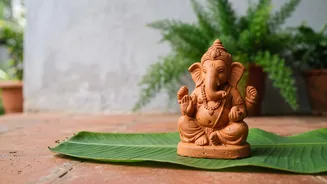
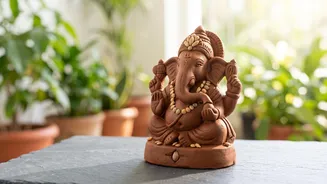
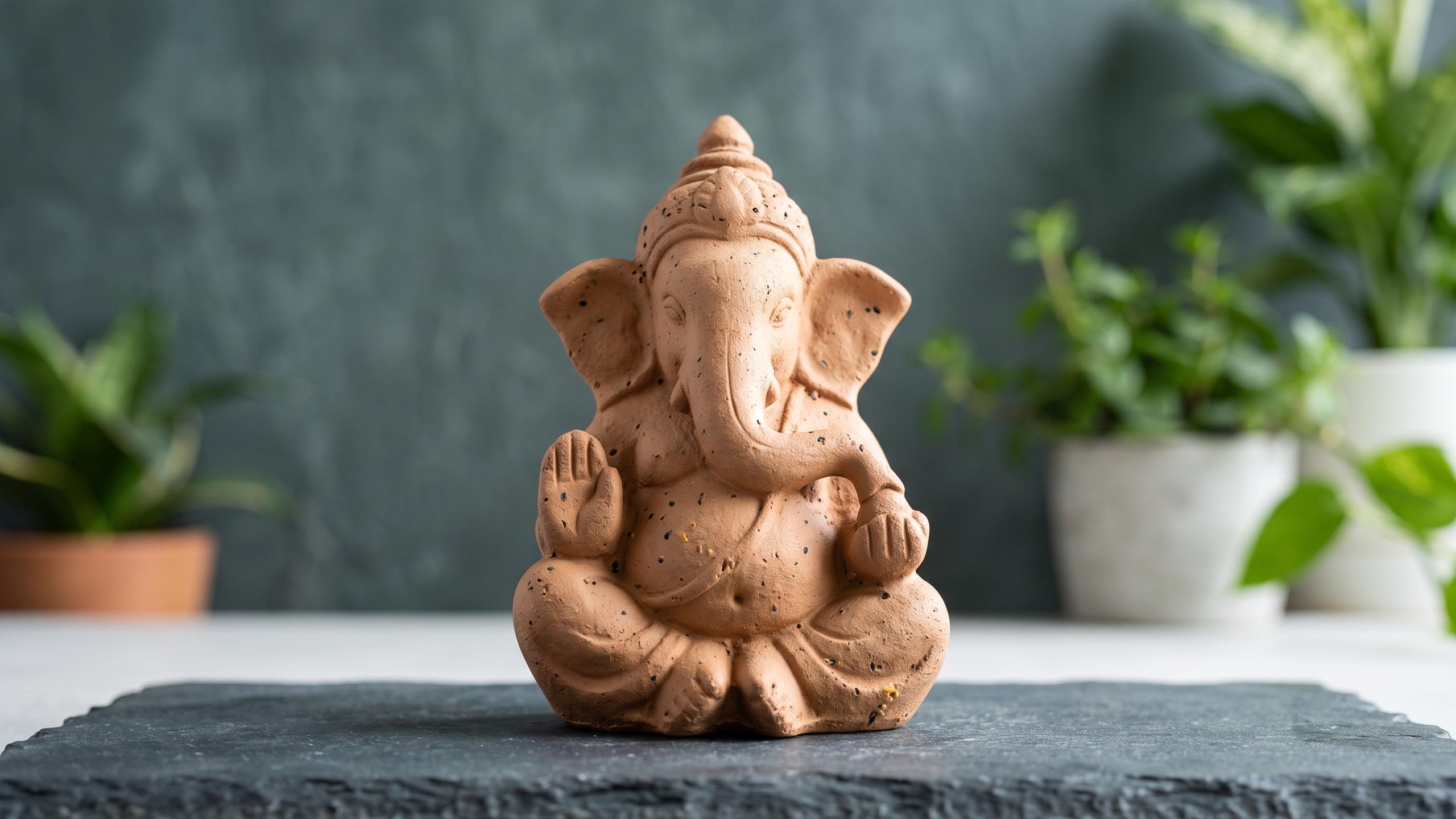
In response, there's a growing movement to return to traditional materials. At the forefront is the 'Shadu Mati' idol, made from a type of naturally occurring clay found in regions like Maharashtra's Konkan belt. These idols are sculpted by hand, supporting local artisans who have preserved this craft for generations. The primary benefit of a clay idol is its biodegradability. Unlike POP, clay dissolves completely in water within hours or a few days, returning to the earth without leaving behind harmful residues. This practice not only prevents pollution but also revives a cultural heritage, connecting the festival back to its natural roots and ensuring that the act of immersion is one of respectful dissolution, not contamination.
An Idol That Gives Life: The Seed Ganesha
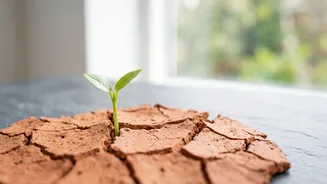
One of the most innovative trends is the 'Seed Ganesha' or 'Tree Ganesha'. These idols are crafted from natural clay or red soil mixed with organic fertilisers and embedded with seeds of vegetables or flowers like tulsi, marigold, or tomato. The concept transforms the ritual of 'visarjan' (immersion). Instead of being immersed in a public water body, these idols are placed in a pot at home and watered. As the clay dissolves, the seeds germinate, and a new plant sprouts in its place. This beautiful concept symbolises a cycle of life, where the deity does not depart but instead transforms into a living plant. It’s a powerful way to keep the divine presence in the home while actively contributing to a greener environment.
Sustainable Decor: Beyond the Idol
The eco-friendly spirit extends beyond the idol to the 'makhar' or pandal decorations. Devotees are increasingly shunning thermocol and plastic, which are non-biodegradable and polluting. Instead, they are opting for creative, natural, and reusable materials. Backdrops are being fashioned from banana leaves, mango leaves, jute fabric, and handloom cloth. Fresh flowers, coconut shells, and painted twigs are used for ornamentation. Many families are making their own decorations from recycled materials like paper plates and old newspapers, turning preparation into a fun, creative activity. Even traditional rangoli is getting a green makeover, with devotees using rice flour, turmeric, and flower petals instead of synthetic powders.
A Community-Wide Awakening
This shift is more than just a collection of individual choices; it has become a community movement. Environmental organisations, NGOs, and community groups are organising workshops that teach people how to make their own clay idols. These workshops often cater to children and families, instilling a sense of environmental responsibility from a young age. Social media platforms are filled with DIY tutorials and ideas for green celebrations, spreading awareness far and wide. Many local governments and city corporations are also promoting the use of eco-friendly idols and have set up artificial immersion ponds to prevent the pollution of natural water bodies. This collective effort shows a growing understanding that true devotion includes caring for the creation itself.