



The Ancient Rules of Fasting
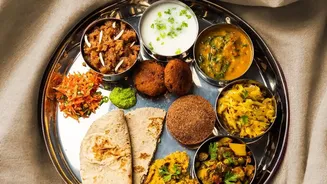
The tradition of 'vrat' or fasting in Hinduism is as much about spiritual discipline as it is about detoxifying the body. The dietary rules are specific, focusing on 'phalahar' or a fruit-based diet, which excludes common grains or 'ann'. Cereal grains like
wheat and rice are avoided because they are considered to be heating and heavy to digest. This is where makhana, kuttu, and rajgira come in. They are not true cereals. Kuttu (buckwheat) and rajgira (amaranth) are categorised as pseudocereals, which are seeds from broadleaf plants, not grasses. Makhana (fox nuts) are seeds of the lotus plant. This botanical distinction is key to their acceptance in vrat diets, but their nutritional profiles are what make them indispensable.
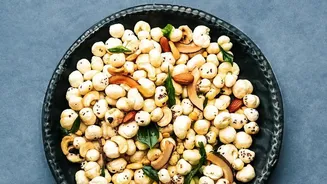
Makhana: The Powerhouse Puff
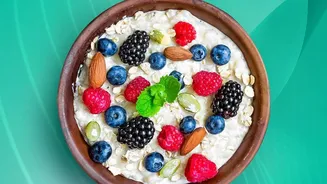
Often called fox nuts or lotus seeds, makhana is a nutritional superstar disguised as a light, airy snack. During a fast, when energy levels can dip, makhana offers a steady release of energy thanks to its complex carbohydrates. It is low in calories and fat but remarkably high in protein and fibre, which helps you feel full and satisfied for longer, curbing the urge to snack on less healthy options. Rich in essential minerals like magnesium and potassium, it supports heart health and helps regulate blood pressure. Furthermore, makhana is packed with antioxidants, which help reduce inflammation and cellular damage. Its low glycemic index also makes it a safe and beneficial choice for those managing blood sugar levels, ensuring no sudden energy spikes or crashes.
Kuttu: The Energetic Pseudocereal
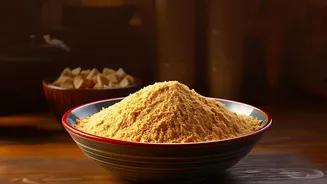
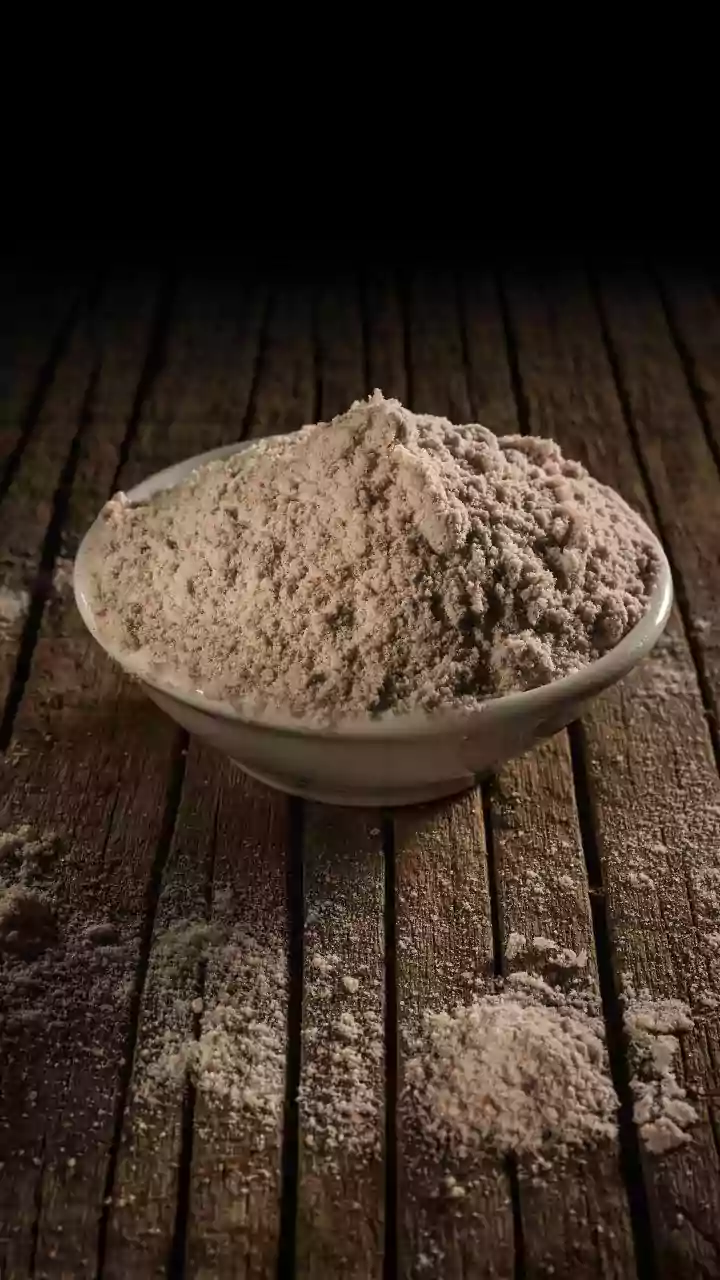
Kuttu ka atta, or buckwheat flour, is a familiar sight during Navratri and other fasts. Despite its name, buckwheat is not related to wheat and is naturally gluten-free. It is prized for being a complete protein source, containing all nine essential amino acids. This is particularly important during a fast when protein intake can be limited. Kuttu is high in dietary fibre, which aids digestion and promotes gut health. Its low glycemic index ensures a slow and steady release of glucose into the bloodstream, providing sustained energy. Buckwheat is also a great source of minerals like magnesium and antioxidants like rutin, which supports cardiovascular health by strengthening blood vessels.
Rajgira: The Royal Grain
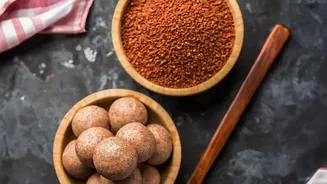
Rajgira, which translates to 'royal grain', lives up to its name. Also known as amaranth, this pseudocereal is another nutritional champion in the fasting kitchen. Like kuttu, it is gluten-free and a fantastic source of plant-based protein. What makes rajgira particularly special is its high concentration of lysine, an amino acid that helps the body absorb calcium, making it excellent for bone health. It's also packed with iron, magnesium, and phosphorus. The high fibre content in rajgira aids in digestion and contributes to a feeling of fullness, which is crucial for managing hunger during a fast. From fluffy pooris to sweet ladoos, its versatility makes it a beloved vrat ingredient.
A Trinity of Modern Wellness
Together, this trio forms a nutritionally balanced foundation for any fasting diet. They provide a combination of complex carbohydrates for sustained energy, high-quality protein for muscle maintenance, and fibre for digestive health. This prevents the fatigue, hunger pangs, and digestive issues that can sometimes accompany fasting. Beyond tradition, these ancient ingredients align perfectly with modern wellness trends. They are gluten-free, high in protein, and rich in minerals and antioxidants, ticking all the boxes for a healthy, mindful diet. The wisdom of including makhana, kuttu, and rajgira in vrat meals is not just about adhering to religious norms; it's a time-tested strategy for nourishing the body while the soul engages in spiritual practice.