





Beyond Cacti: What is a Low-Water Garden?
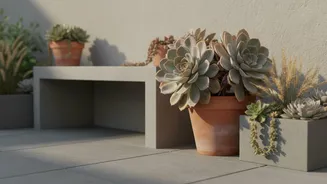
A low-water garden isn't about creating a barren desert of rocks and thorns. It's a smart, resilient approach to landscaping, also known as xeriscaping, that focuses on minimising water use. The goal is to design a garden that can thrive on natural rainfall
once established, requiring only occasional watering during the driest spells. This approach isn't about sacrifice; it's about creating a lush, colourful, and inviting space using plants and techniques that are naturally suited to the environment. It’s a move towards a garden that is not only beautiful but also saves time, money, and one of our country's most vital resources. By choosing the right plants and methods, you can have a flourishing garden that is both eco-friendly and low-maintenance.
Planning Your Water-Wise Oasis
A successful low-water garden begins with a good plan. The core principle is called 'hydrozoning'—grouping plants together based on their water needs. Start by sketching your garden space and dividing it into zones: a small 'high-water' zone for thirsty plants like kitchen herbs, a 'moderate' zone for plants that need occasional watering, and a large 'low-water' zone for drought-tolerant natives. This prevents you from overwatering a succulent just to keep a nearby fern happy. Observe your garden to understand its microclimates, noting areas that get full sun versus those that are shaded. This initial planning ensures that you deliver the right amount of water only where it's needed, drastically reducing waste.
The Stars of the Dry Garden
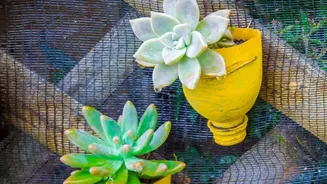
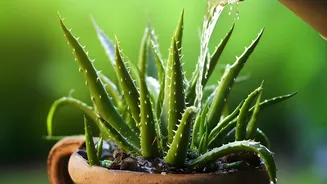
The key to a stunning low-water garden is plant selection. India is home to a vast array of beautiful plants that are naturally drought-tolerant. For vibrant colour with minimal fuss, Bougainvillea is an unbeatable choice, thriving in the summer heat. Lantana is another hardy flowering shrub that offers continuous blooms. Succulents like Aloe Vera and Agave provide architectural beauty and require very little water. For ground cover, consider Portulaca (Moss Rose), which creates a colourful carpet and needs watering only about once a week. Many native trees like Neem and shrubs such as Ixora are also excellent choices once they are well-established, providing shade and requiring little supplemental water.
The Foundation: Soil and Mulch
Healthy soil is the foundation of a water-efficient garden. Improving your soil's structure by adding organic matter like compost allows it to act like a sponge, absorbing and holding moisture for longer periods. This encourages plants to develop deep, resilient root systems. After planting, applying a thick layer of mulch is the single most effective thing you can do to conserve water. A 3-to-4 inch layer of organic mulch—such as wood chips, dried leaves, or straw—shields the soil from the sun, which dramatically reduces evaporation. Mulch also keeps the soil temperature cooler, suppresses weeds that compete with your plants for water, and eventually breaks down to add more nutrients back into the soil.
Watering Smarter, Not Harder
In a low-water garden, how you water is as important as how often you water. The best practice is deep, infrequent watering. This encourages plants to send their roots deeper into the soil in search of moisture, making them stronger and more drought-resistant. The best time to water is early in the morning or in the evening to minimize water loss from evaporation. Instead of inefficient sprinklers, consider using a drip irrigation system or soaker hoses. These methods deliver water slowly and directly to the plant's root zone, reducing wastage from runoff and evaporation by up to 60%. By watering efficiently, you ensure that every drop is put to good use.