


The Monsoon's Hidden Bounty
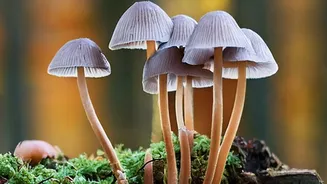
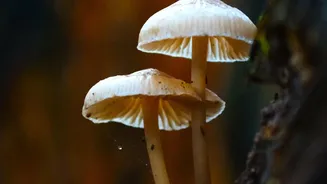
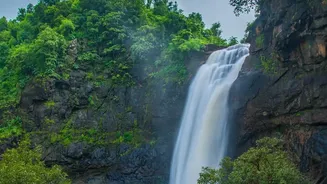
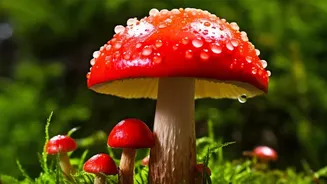
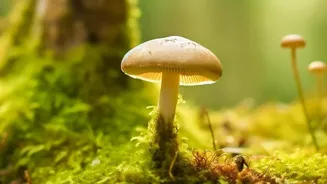
Across India, from the forests of the Western Ghats to the Himalayan foothills, the monsoon season transforms the landscape. This period of high humidity and rainfall creates the perfect conditions for fungi to flourish, pushing their fruiting bodies—the
mushrooms we see—up through the damp soil and from decaying wood. For centuries, indigenous communities have possessed the knowledge to identify and harvest these wild edibles. This seasonal bounty includes a wide array of species that are impossible to cultivate, each with a unique flavour profile that is a world away from the common button mushroom. Foraging offers a chance to experience this fleeting, natural harvest firsthand.
More Than Just a Walk
Mushroom foraging is much more than just gathering food; it's an immersive experience that heightens your connection to the outdoors. It compels you to slow down, to observe your surroundings with intense focus, and to learn the intricate relationships between fungi, soil, and trees. The thrill of the search, the excitement of spotting a coveted species half-hidden under a leaf, is a rewarding experience in itself. It’s a form of active meditation that engages all the senses. In places like Goa, Himachal Pradesh, and Karnataka, guided walks and workshops are becoming popular, allowing newcomers to learn from experts and connect with a community of fellow nature enthusiasts.
The Golden Rule: Absolute Certainty
Before you even think about putting a wild mushroom in your basket, the most critical lesson must be learned: never, ever eat a mushroom unless you are 100% certain of its identity. Many delicious and safe-to-eat mushrooms have poisonous look-alikes that can cause severe illness, organ failure, or even death. There are no simple tricks or old wives' tales to distinguish safe from toxic—boiling them with a silver coin or seeing if animals eat them are dangerous myths. Identification requires meticulous study of the cap, gills, stem, and spore print, cross-referenced with reliable field guides and, most importantly, confirmation from a seasoned expert. The rule is simple: if there is even a fraction of a doubt, leave it behind.
Getting Started on Your Journey
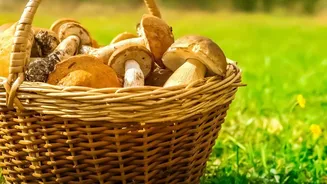
The safest way to begin foraging is to join a guided walk with a mycologist or an experienced local forager. These experts can teach you how to identify the common edible species in your region and, just as importantly, the dangerous ones to avoid. For a day of foraging, you'll need comfortable, waterproof footwear, a knife for clean cutting, and a basket or paper bags for collection, which help spores to disperse. Avoid plastic bags as they trap moisture and can cause the mushrooms to deteriorate. Always be mindful of the ecosystem; tread lightly, and never take more than a portion of what you find, leaving plenty behind to allow the fungus to complete its life cycle.
Common Monsoon Treasures
While India has hundreds of edible mushroom species, some are more commonly foraged. In Goa and the Konkan coast, the monsoon brings the famed Termitomyces, or 'Olmi', which grow in a symbiotic relationship with termite hills and are a prized local delicacy. In Jharkhand, tribal communities harvest 'Rugda', a mushroom that grows near Sal trees and is known for its meaty texture. The Himalayan regions are famous for 'Gucchi' or morel mushrooms, one of the most expensive and sought-after wild fungi in the world. While it's exciting to learn about these varieties, remember that identification must be done in person with an expert, not from a photograph in an article.
From Forest Floor to Dinner Plate
The final reward of a successful forage is a meal infused with the taste of the wild. The joy of cooking something you have personally and sustainably harvested is immense. Wild mushrooms have complex, earthy, and nutty flavours that are best showcased in simple preparations. A quick sauté with garlic, herbs, and a touch of salt allows their natural taste to shine. In Goa, 'Olmi' are often cooked into a rich coconut-based curry like Xacuti or a simple stir-fry. The key is to let the mushroom be the star. This connection from the forest floor to the dinner plate is a deeply satisfying experience, completing the journey from nature explorer to home cook.