




The Soul of Sattvic Eating
Chaturmas, which translates to "four months," begins on Devshayani Ekadashi in the month of Ashadha and concludes on Devutthana Ekadashi in Kartik. In 2026, this period starts around the last week of July. Spiritually, it's believed that Lord Vishnu is in a state
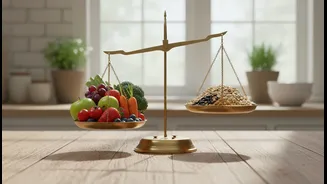
of cosmic slumber, making it a time for introspection, prayer, and penance rather than grand celebrations. The dietary rules are a cornerstone of this observance. The goal is to consume a 'sattvic' or pure diet that is light, easy to digest, and calming for the mind and body. This traditionally means avoiding 'tamasic' foods like onions, garlic, and non-vegetarian items, which are believed to create inertia. Certain vegetables like brinjal, as well as specific lentils and grains, are also avoided to give the digestive system a rest during the monsoon season when immunity is considered weaker.
The Classic Chaturmas Plate
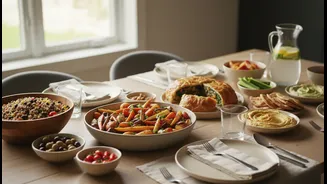
A traditional Chaturmas diet is often broken down month by month, with specific restrictions for each. The first month, Shravana, typically involves avoiding green leafy vegetables. The second, Bhadrapada, sees a restriction on curd. In the third month, Ashwin, milk is often avoided, and in the final month of Kartik, certain dals like urad dal are excluded. Staples during this period include fruits, certain vegetables, buttermilk (outside of Bhadrapada), and specific flours and grains like sabudana (sago), rajgira (amaranth), and samak (barnyard millet). Rock salt, or sendha namak, replaces regular table salt as it's considered purer and unprocessed. These ingredients form the base of classic fasting dishes like Sabudana Khichdi, Rajgira Parathas, and fruit-based desserts.
A Global Twist on Tradition
So, what does it mean for Chaturmas food to enter a modern era? It’s about innovation within the lines of tradition. Chefs and home cooks are no longer content with just the classics. They are infusing global trends and novel ingredients that, while not traditionally Indian, still adhere to sattvic principles. Think of it as a culinary renaissance for fasting food. This shift is driven by a desire for variety, increased health consciousness, and exposure to global cuisines. The result is a vibrant new menu that is both devout and delicious, proving that fasting food doesn't have to be boring.
The New Vrat-Friendly Pantry
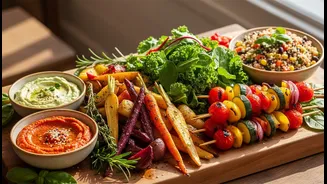
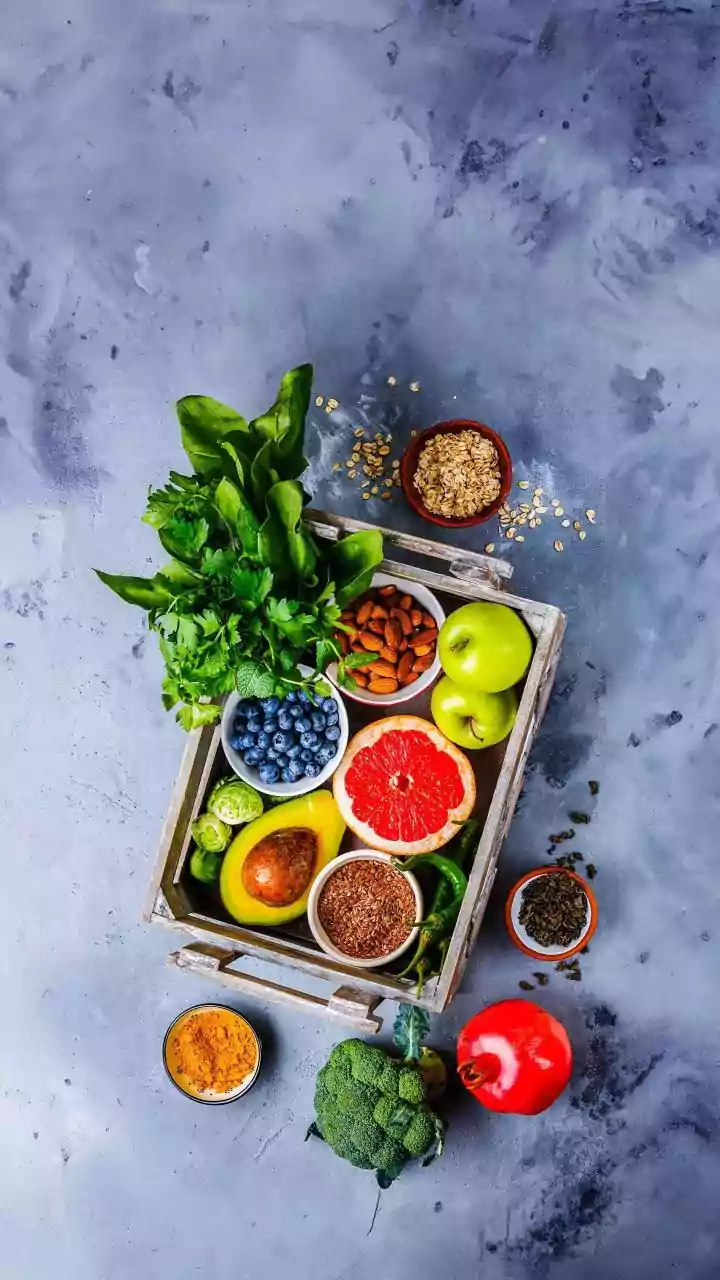
The modern Chaturmas kitchen looks a little different. Alongside samak and sabudana, you might now find quinoa, buckwheat, and even millets being used in creative ways. Instead of a simple potato curry, people are making sweet potato tikkis or baked sweet potato wedges. Buckwheat flour (kuttu ka atta), once reserved for puris, is now being transformed into crepes, pancakes, and even pizza bases. Sabudana is being reimagined into crispy waffles. International but compliant ingredients like zucchini and asparagus are making their way into stir-fries, and creamy avocado is used to create rich, satisfying smoothies and dips. Desserts are also getting a makeover, with refined sugar being replaced by jaggery, dates, and fruit purees in dishes like apple halwa and makhana kheer.
Dining Out During Chaturmas
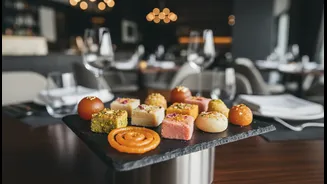
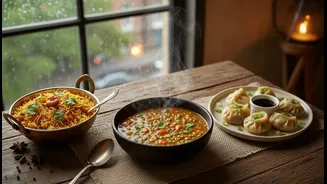
This trend isn’t confined to home kitchens. Restaurants across the country are tapping into this movement by offering elaborate Chaturmas or 'vrat-special' menus. These are not just simple thalis but gourmet experiences. You can find everything from Kuttu Dosa and Vrat-friendly Dhokla to Paneer Rolls and Arbi Koftas. Upscale eateries and even casual cafes curate special menus that cater to those observing the fast, making it easier for people to maintain their vows while socialising or travelling. It's a clear sign that the food industry recognises the evolving tastes of the modern devotee, who seeks both spiritual observance and culinary excitement.