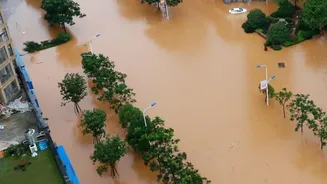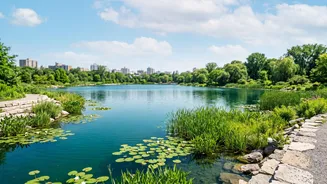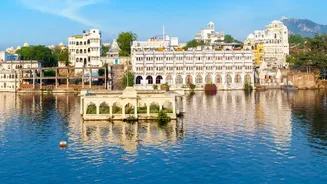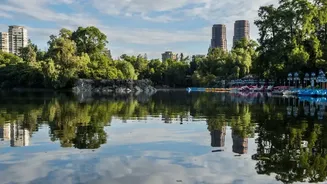








Across India, urban lakes and rivers are disappearing at an alarming rate, choked by sewage and encroachment. While government schemes exist, the true heroes of this story are often the local residents who are turning the tide.
When Official Efforts Fall Short
Government initiatives like
the AMRUT Mission and Jal Shakti Abhiyan aim to rejuvenate urban water bodies, but they often struggle with scale and sustainability. Top-down projects can lack the continuous oversight needed to prevent re-pollution or encroachment after a one-time cleanup. Officials may be transferred, and funds can be spread thin across numerous projects. This is where the community becomes indispensable. Since the government took control of water bodies post-independence, a sense of collective citizen responsibility has waned, leading to widespread neglect. However, a new wave of citizen action is proving that local stewardship is the missing ingredient for lasting change.
The Power of Local Ownership
When a community adopts a lake, it's not just about cleaning; it's about claiming ownership. This sense of belonging transforms a neglected water body into a shared asset. In Bengaluru, where dozens of lakes have vanished due to urbanisation, citizen groups have successfully revived several water bodies like Jakkur Lake and Puttenahalli Lake. These groups don’t just organise weekend cleanups; they get involved in every stage, from planning and fundraising to long-term maintenance. This sustained engagement ensures that restoration efforts are not a temporary fix but a long-term commitment. Residents who live near a water body are the first to notice when something is wrong and have the strongest incentive to keep it healthy.
Eyes on the Ground 24/7
A municipal body cannot monitor every kilometre of a riverbank or the entire perimeter of a lake all the time. Engaged communities act as constant guardians. They are the most effective watchdogs against illegal dumping of waste, unauthorised construction, and industrial pollution. Citizen-led groups, like the Sarakki Lake Area Improvement Trust in Bengaluru, have even filed public interest litigations (PILs) to remove encroachments and stop sewage inflow, armed with local knowledge and evidence. These neighbourhood 'river guardians' can monitor water quality, report violations in real-time, and hold authorities accountable in a way that is simply not possible for stretched government agencies.
From Cleanup to Conservation
Community involvement often starts with removing plastic and garbage, but it quickly evolves into a broader conservation mission. Successful citizen projects focus on restoring the entire ecosystem. This includes desilting to increase water storage capacity, planting native vegetation to create habitats for birds and insects, and even building small islands for nesting birds. At Jakkur Lake, the revival project included reviving livelihoods for local fishing communities, who now play a crucial role in maintaining the lake's biodiversity. By bringing in ecologists and using local knowledge, communities can transform a polluted dump into a thriving, self_sustaining ecosystem that recharges groundwater and reduces local temperatures.
A Force for Policy and Change
An organised community is a powerful political force. When residents come together, they can effectively lobby municipal corporations for better infrastructure, such as sewage treatment plants (STPs) and proper waste management systems. Their persistent advocacy can push governments to enforce existing environmental laws and create new policies for water body protection. By demonstrating successful, low_cost revival models, these groups provide a blueprint for what is possible, encouraging governments to support more community_led projects. This collaborative approach, where citizens lead and the government supports, has proven to be the most effective strategy for sustainable urban water security.