


The Shifting September Weather
Traditionally, September is a ‘shoulder season’ for Indian hill stations. It marks the transition from heavy monsoon to the clearer, cooler days of autumn. The monsoon typically begins its withdrawal from northwest India around mid-September. However,
recent years have seen this schedule become less reliable. As of early September 2026, an active monsoon spell is delivering widespread and heavy rain across several parts of India, including the Himalayan states. The India Meteorological Department (IMD) has forecast wet conditions to persist in regions like Uttarakhand and Himachal Pradesh through the first week of the month. This contrasts with some long-range models from August that suggested September could turn drier. This unpredictability is the new reality; a sunny start can be misleading, and travellers should no longer assume the monsoon will end on a fixed date.
North vs. South: A Tale of Two Monsoons
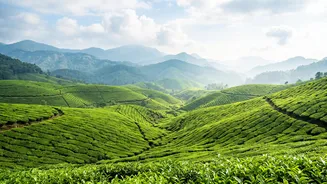
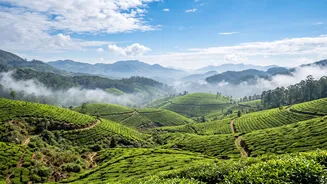
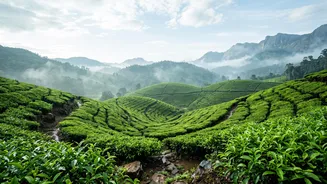
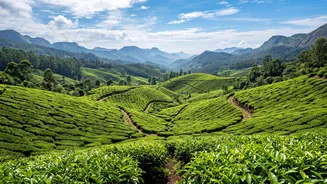
Where you go matters immensely in September. In the North, Himalayan states like Himachal Pradesh and Uttarakhand are seeing an active and heavy monsoon spell continue into the month. The primary concern here is not just rain but the significant risk of landslides and flash floods on slopes already saturated by months of rainfall. As of early September, authorities have reported blocked roads and have advised caution. In contrast, hill stations in the Western Ghats of South India, such as Coorg and Munnar, are also wet, but the risks are often different. While trails can be slippery and leeches common, the post-monsoon greenery is a major draw. The northeast monsoon, which affects Tamil Nadu and parts of Kerala, typically arrives later, from October to December, making September a potential window in some areas.
Destinations to Consider with Caution
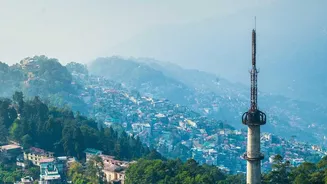
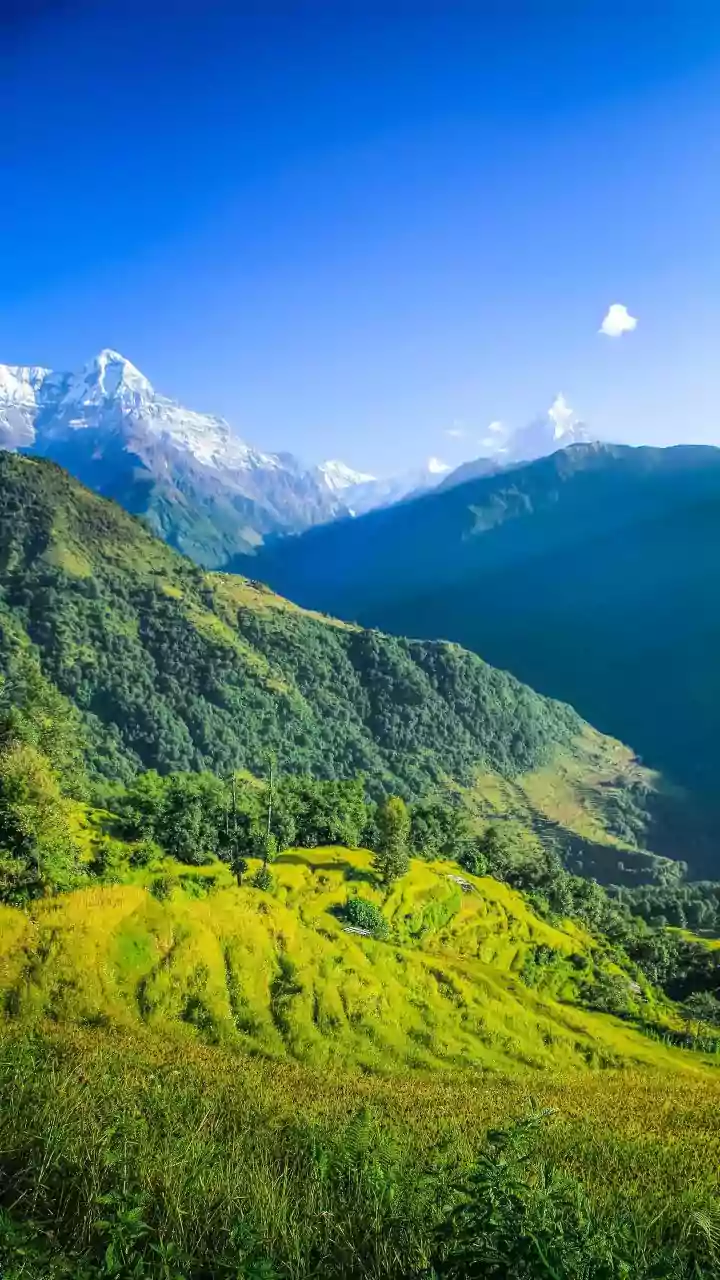
Given the current weather alerts, caution is paramount for northern destinations. While the appeal of Shimla, Manali, and Nainital is strong, the first half of September 2026 carries risks of travel disruption. If your heart is set on the Himalayas, consider high-altitude desert regions like Ladakh or Spiti Valley, which lie in a rain-shadow area and are generally dry and sunny in September. For those looking south, destinations like Wayanad in Kerala or Chikmagalur in Karnataka offer stunning green landscapes, though you should expect rain. In these areas, the focus shifts to enjoying the lush scenery from a safe homestay or resort, rather than ambitious trekking. Always check local conditions and advisories right before you travel.
Pack Smart, Not Just Light
Forget your old packing lists; flexibility is key. Your most essential item will be a pair of waterproof shoes with excellent grip, as paths can remain slippery and muddy long after the rain stops. Instead of one heavy jacket, pack in layers: a base layer, a fleece, and a waterproof outer shell can be adapted to sunny afternoons and chilly, damp evenings. A compact umbrella is useful, but a poncho can be more practical in windy conditions. Quick-dry clothing is a must, as humidity can prevent thicker fabrics from drying. Also, carry a power bank for potential electricity cuts and zip-lock bags to protect your electronics and important documents from moisture.
Safety and Booking Strategy
Your safety is more important than any itinerary. In the current climate, this means taking official weather warnings seriously. The IMD has specifically advised that tourism and recreational activities should be regulated in areas affected by severe weather. The risk of landslides on saturated slopes in the Himalayas is particularly high. Always have a buffer day in your travel plans to account for road closures or other delays. When booking, prioritize flexibility. Opt for refundable hotel reservations and travel tickets where possible. Before leaving your hotel for a day of sightseeing, speak with local staff about the current road and weather conditions. Avoid driving in the hills after dark, especially when it's raining.