




The Rise of the 'Experience Economy'
There's a new status symbol among India's Gen Z and millennial consumers, and it doesn't fit in a shopping bag. It's the concert wristband, the plane ticket, the photo from a mountain trek, and the certificate from a weekend pottery class. This pivot
from accumulating products to collecting memories is the engine of India's booming 'experience economy'. According to a recent report by CBRE, spending on experiences like travel, recreation, and dining is projected to grow at 10.3% annually between 2025 and 2030, outpacing the 9.1% growth expected for physical goods. This isn't just a fleeting trend; it’s a structural reset in consumer behaviour, with young people at its very core. Reports project India's overall experience economy could nearly double from over $32 billion in 2024 to almost $60 billion by 2030.
Why Experiences are the New Currency
Several powerful forces are driving this change. The first is a post-pandemic mindset. After years of lockdowns and restrictions, a phenomenon dubbed 'revenge travel' took hold, with people eager to make up for lost time. This has evolved into a sustained prioritisation of leisure and exploration. The second major driver is social media. Platforms like Instagram have turned travel and events into a form of self-expression and social currency. The desire for unique, shareable moments—often fueled by a 'fear of missing out' (FOMO)—is a powerful motivator, with studies showing that for many young travellers, social media directly influences destination choices. Finally, there's a deeper search for well-being. Many young people now view travel and new experiences as essential for mental health, relaxation, and personal growth.
What's on the Itinerary?
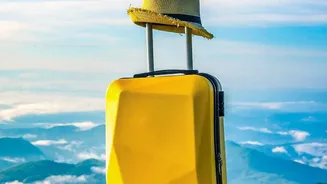
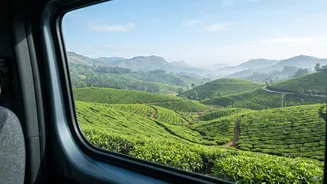
The travel habits of young Indians are becoming more diverse and spontaneous. The traditional, long annual vacation is being replaced by multiple shorter, more frequent trips. According to an Airbnb report, seven in ten Gen Z members prefer taking several short trips over one long holiday. Solo travel is also on the rise, accounting for a significant portion of international journeys made by young Indians. The destinations themselves are changing, with a mix of popular short-haul spots in Asia and emerging destinations in Central Asia gaining traction. Beyond travel, the live events market is exploding. India's live events scene, from massive music concerts by international artists to local comedy shows and cultural festivals, was valued at nearly Rs 13,000 crore in 2025. One report noted that a single concert series by the band Coldplay generated an estimated economic impact of Rs 641 crore, showcasing the massive spending power this sector now commands.
The Economic Ripple Effect
This shift in spending is reshaping entire industries. The hospitality sector is quickly adapting, with a rising demand for 'lifestyle hotels' that offer unique, culturally immersive, and social media-friendly environments over standard lodging. Airlines, travel tech platforms, and tour operators are seeing massive growth, with data showing that millennials and Gen Z accounted for nine out of ten international trips from India in 2025. This trend is also creating new niches. Companies offering curated group trips, skill-based workshops, and unique local tours are flourishing. The economic contribution is substantial, with India's organised events industry already supporting over one crore jobs—a number that is expected to grow significantly. This move towards doing things rather than buying things is not just changing individual lives; it's creating new avenues for entrepreneurship and employment across the country.