



Your First Line of Defence
A plant can appear perfectly healthy at the store while harbouring tiny pests or their eggs. Most houseplant pest infestations start with a new addition that wasn't properly checked. Taking ten minutes to perform a thorough inspection can save you weeks
of battling common nuisances like spider mites, mealybugs, thrips, and fungus gnats. This simple routine protects the plants you already own and ensures your new green friend gets the best possible start in its new environment.
The Essential Leaf and Stem Check
Begin by examining the leaves, both top and bottom. Pay close attention to the undersides and where the leaf meets the stem, as many pests hide there. Look for fine, silky webbing, which is a classic sign of spider mites. Small white, cotton-like fluff in plant crevices often indicates mealybugs, while tiny tan or brown bumps that can be scraped off are likely scale insects. Also, check for any unusual spots, yellowing leaves, or holes, as these can be signs of pests or disease. Run your fingers along the stems to feel for sticky residue, known as honeydew, which is excreted by pests like aphids.
Digging Deeper: The Soil and Pot Inspection
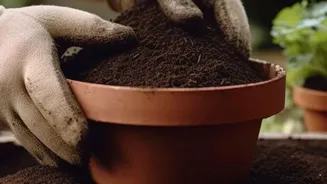
Pests don't just live on leaves; many can be found in the soil. Inspect the surface of the soil for any visible insects, such as tiny black fungus gnats flying around or their larvae, which look like tiny white worms. A foul, swampy odour from the soil is a major red flag for root rot, a condition caused by overwatering and lack of oxygen. If you feel comfortable, gently slide the plant out of its pot to examine the roots. Healthy roots should be firm and white or light tan. If they are brown, black, mushy, or slimy, the plant has root rot. Finally, check the pot itself, including underneath and along the rim, for any hiding pests or egg casings.
The Importance of Quarantine
Even if a plant passes your initial inspection, a quarantine period is highly recommended. Isolate your new plant in a separate room, away from all other houseplants, for at least two to four weeks. This isolation period gives time for any hidden eggs to hatch or dormant issues to appear. During this time, inspect the plant weekly for any of the signs mentioned above. If you don't have a separate room, you can place a clear plastic bag with ventilation holes over the plant to contain any potential airborne pests.
What to Do If You Find a Problem
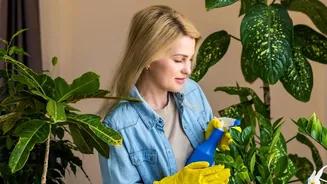
If your inspection reveals pests, don't panic. Many common pests can be treated by wiping the leaves with a solution of soapy water or using a neem oil spray. For root rot, the process is more intensive. You'll need to remove the plant from its pot, wash the roots, and trim away all the dead, mushy parts with clean shears before repotting in fresh, well-draining soil. If you do repot, it's best to use a thoroughly cleaned pot or a new one to avoid reintroducing any harmful bacteria or fungi. If an infestation seems severe, the safest option for your collection might be to dispose of the new plant.