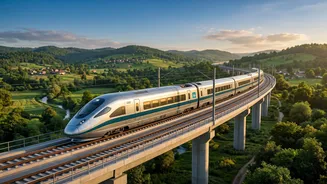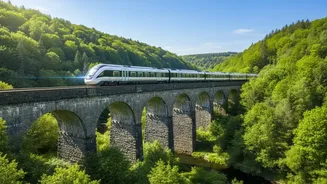







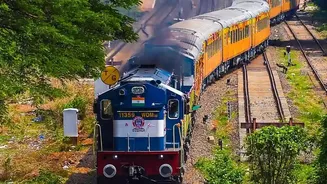
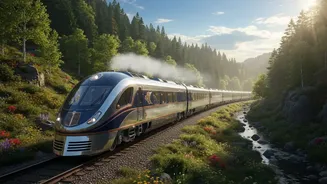
What is the 'Hydrogen for Heritage' Initiative?
The 'Hydrogen for Heritage' project is an initiative by Indian Railways to retrofit its iconic narrow-gauge trains with hydrogen fuel cell systems. The goal is to make these beloved tourist attractions zero-emission vehicles, preserving both their historical
character and the pristine environments they traverse. The initial plan targets the deployment of 35 hydrogen-powered trains across several heritage routes. These include iconic lines like the Kalka-Shimla railway, the Darjeeling Himalayan Railway, and the Nilgiri Mountain Railway. This move is part of Indian Railways' broader commitment to achieve net-zero carbon emissions by 2030. By replacing old diesel engines, the project aims to eliminate pollution and reduce noise, enhancing the travel experience while safeguarding delicate ecosystems.
How Do These Green Trains Work?
Instead of burning diesel, these trains generate their own electricity onboard through a clean chemical process. The system uses a Proton Exchange Membrane (PEM) fuel cell that combines hydrogen, stored in high-pressure tanks on the train, with oxygen from the air. This electrochemical reaction produces electricity to power the train's motors. The only byproduct of this process is pure water vapour, making it a completely emission-free mode of transport. This technology allows the trains to operate on routes that are difficult or unsightly to electrify with overhead cables, which is often the case in the hilly and scenic heritage locations. It offers a quiet, smooth ride, a stark contrast to the noisy diesel locomotives they are set to replace.
From Pilot Project to Heritage Routes
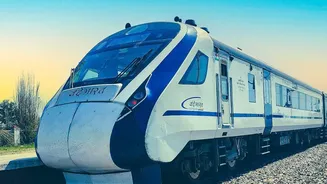
Before these trains chug along mountain passes, the technology is being proven on a pilot route. India's first hydrogen-powered train began commercial operations in July 2026 on the 89-km Jind-Sonipat section in Haryana. This 10-coach train, designed and built in India, serves as a real-world test for the system's reliability and operational viability. A dedicated hydrogen production and refuelling facility has been established at Jind to support the pilot. Lessons learned from this project, from fuel consumption to performance in different conditions, will be crucial for the successful deployment of hydrogen trains on the more challenging and varied terrains of the heritage circuits. Following successful trials at speeds of 120 kmph, Indian Railways is now working to operate these trains at up to 110 kmph.
Benefits Beyond Emissions
The shift to hydrogen power offers a multitude of advantages. The most significant is the complete elimination of tailpipe emissions like carbon dioxide and particulate matter, leading to cleaner air in ecologically sensitive tourist areas. It also drastically reduces noise pollution, preserving the tranquility of the mountain journeys. For India, this move reduces dependence on imported diesel, contributing to energy security. Furthermore, it positions the nation among a select group of countries, including Germany and Japan, that are pioneering hydrogen rail technology. For tourists, it means the classic experience of a heritage train journey can be enjoyed guilt-free, knowing that the journey itself helps protect the natural beauty they have come to see.
Challenges on the Track Ahead
Despite the promise, the path to a fully hydrogen-powered heritage fleet has its hurdles. The primary challenge is cost. Green hydrogen, which is produced using renewable energy, is currently expensive to manufacture. The fuel cells and high-pressure storage systems also require significant capital investment. Building the necessary refuelling infrastructure at remote heritage locations presents another logistical and financial obstacle. Finally, ensuring the highest safety standards is paramount, as hydrogen is a highly flammable fuel that requires careful handling and storage protocols. Indian Railways is actively working on sourcing cheaper green hydrogen and leveraging the experience from its pilot project to overcome these challenges efficiently and safely.