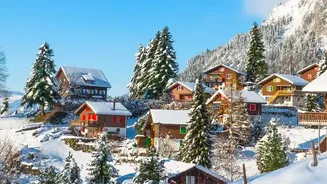


While Jammu's Patnitop is a beloved winter escape, its popularity often means crowds. For those craving snow-dusted landscapes without the rush, several lesser-known destinations offer equally magical, if not more serene, experiences.
Sanasar: The Quiet Meadow
Just a short 20-kilometre
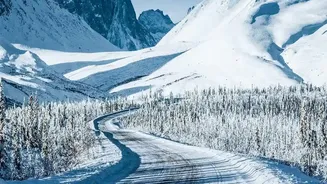
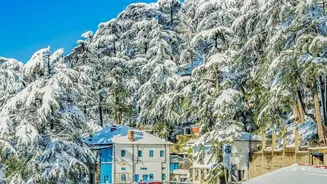
drive from Patnitop lies Sanasar, a peaceful, cup-shaped meadow that transforms into a white wonderland in winter. Unlike the bustling energy of more famous hill stations, Sanasar offers quiet and unspoiled beauty. From late December to February, the meadow is often covered in a blanket of snow, making it perfect for snow play, sledging, and tranquil forest walks. While adventure activities like paragliding are popular in warmer months, winter in Sanasar is about soaking in the silence and the pristine scenery. Accommodation options include government-run huts and a few private hotels, but facilities are simpler, so it is wise to carry essentials. It is an ideal detour for those seeking peace and space over commercial tourist spots.
Bhaderwah: The 'Mini Kashmir' of Jammu
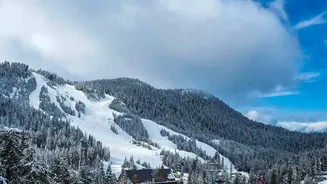
Nestled in the Doda district, Bhaderwah is earning its nickname 'Chota Kashmir' for its stunning valleys and deodar forests that resemble the Kashmir Valley. During winter, this saucer-shaped valley gets carpeted in snow, with its high-altitude meadows like Padri and Guldanda becoming hubs for snow activities. At over 3,000 metres, Padri is ideal for skiing and snowboarding once the snow sets in. The area even hosts a vibrant winter festival around New Year's, drawing significant crowds. While some high passes may close after heavy snowfall, the town itself remains accessible and offers a mix of hotels, guesthouses, and even igloo huts for a unique stay. It’s a comprehensive destination offering both adventure and cultural experiences.
Beyond Jammu: The Allure of Gulmarg
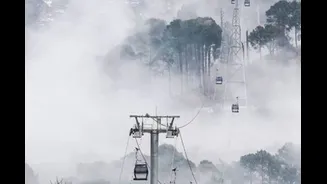
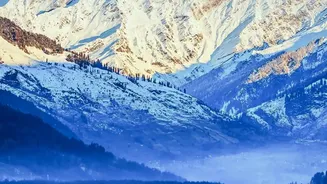
For the serious snow enthusiast, a trip to Gulmarg in the Kashmir Valley is worth the journey. While Patnitop offers a pleasant brush with snow, Gulmarg delivers a world-class winter sports experience. Its high altitude ensures a deep and reliable snowpack from December through March, making it one of India's premier destinations for skiing and snowboarding. The famous Gulmarg Gondola, one of the highest cable cars in the world, offers breathtaking views of the snow-covered peaks. Though it is busier and generally more expensive than destinations in the Jammu region, it is the undisputed choice for travellers whose priority is a dedicated snow and adventure holiday.
Essential Tip 1: Pack in Layers
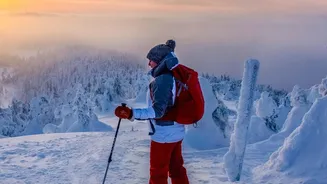
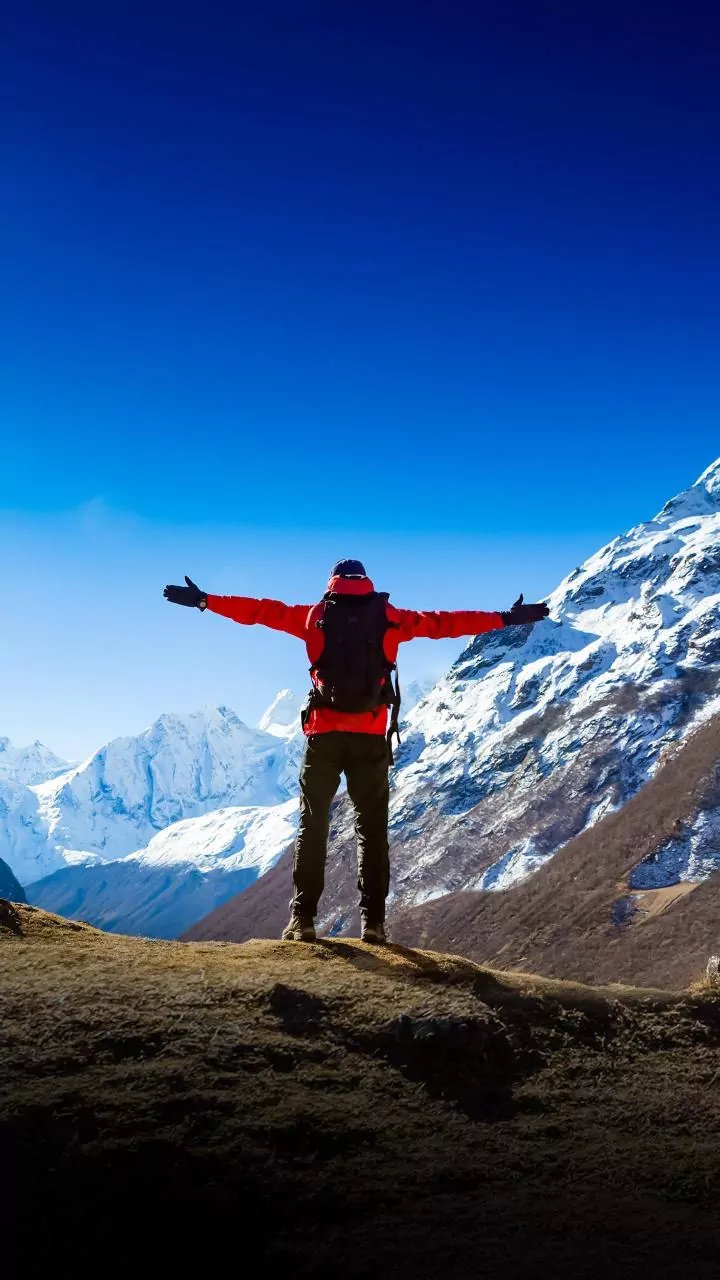
The key to comfort on a Himalayan winter trip is not one heavy jacket, but multiple layers. Start with a moisture-wicking base layer (thermal wear) to keep sweat off your skin. Add a middle insulating layer like a fleece or a light padded jacket for warmth. Top it with a windproof and waterproof outer shell to protect against wind and wet snow. This system allows you to adapt to changing temperatures, whether you're hiking in the sun or sitting still in the cold evening. Cotton is best avoided as it holds moisture and can make you colder.
Essential Tip 2: Protect Your Extremities
Your head, hands, and feet are most susceptible to the cold. A warm woollen cap or balaclava is nonstoppable as significant body heat is lost through the head. Pack at least two pairs of gloves—a thinner pair for dexterity and a warmer, waterproof outer pair for heavy snow or extreme cold. For footwear, choose insulated, waterproof boots with good grip to handle slippery, icy, or snowy terrain. Combine these with warm woollen or synthetic socks to keep your feet dry and comfortable.
Essential Tip 3: Health, Hydration, and Safety
The cold, dry air at high altitudes can lead to dehydration faster than you might realize. Make a conscious effort to drink water regularly even if you don't feel thirsty. Carry a basic medical kit with remedies for colds, pain relievers, and any personal medications. Sun protection is also crucial; the sun's UV rays are stronger at altitude and reflect off the snow so sunscreen and sunglasses are essential to prevent sunburn and snow blindness. Before you leave always check the latest road and weather conditions as snowfall can lead to temporary closures of high passes.