






It’s About Noticing, Not Controlling
First, let's clear up a common misconception. Breath awareness is not about taking perfectly deep, controlled breaths like a yoga master on a mountain top. It is simply the practice of paying attention to your breath exactly as it is in this moment. You
take around 20,000 breaths a day, mostly on autopilot. Breath awareness is the act of gently observing this natural rhythm without trying to change it. Think of it as being a curious scientist of your own body. Is your breath shallow or deep? Fast or slow? Where do you feel it most—in your chest, your belly, or the tip of your nose? The goal isn't to 'fix' your breathing, but simply to become aware of what it's doing. This simple act of observation is what anchors you in the present moment.
Why Bother With Your Breath?
Focusing on something so simple might seem pointless, but this practice is backed by science. When you consciously focus on your breath, you can activate the body's relaxation response. This helps lower stress hormones like cortisol, which can lead to reduced anxiety, lower blood pressure, and a greater sense of calm. The benefits aren't just about relaxation. Regularly practicing breath awareness can also improve your focus and emotional resilience. By training your attention to stay on the breath, you're building a mental 'muscle'. This makes it easier to manage distractions and stay grounded when you feel overwhelmed by stress or negative emotions. It’s a practical tool for navigating daily life with more clarity and ease.
Your First Five-Minute Practice
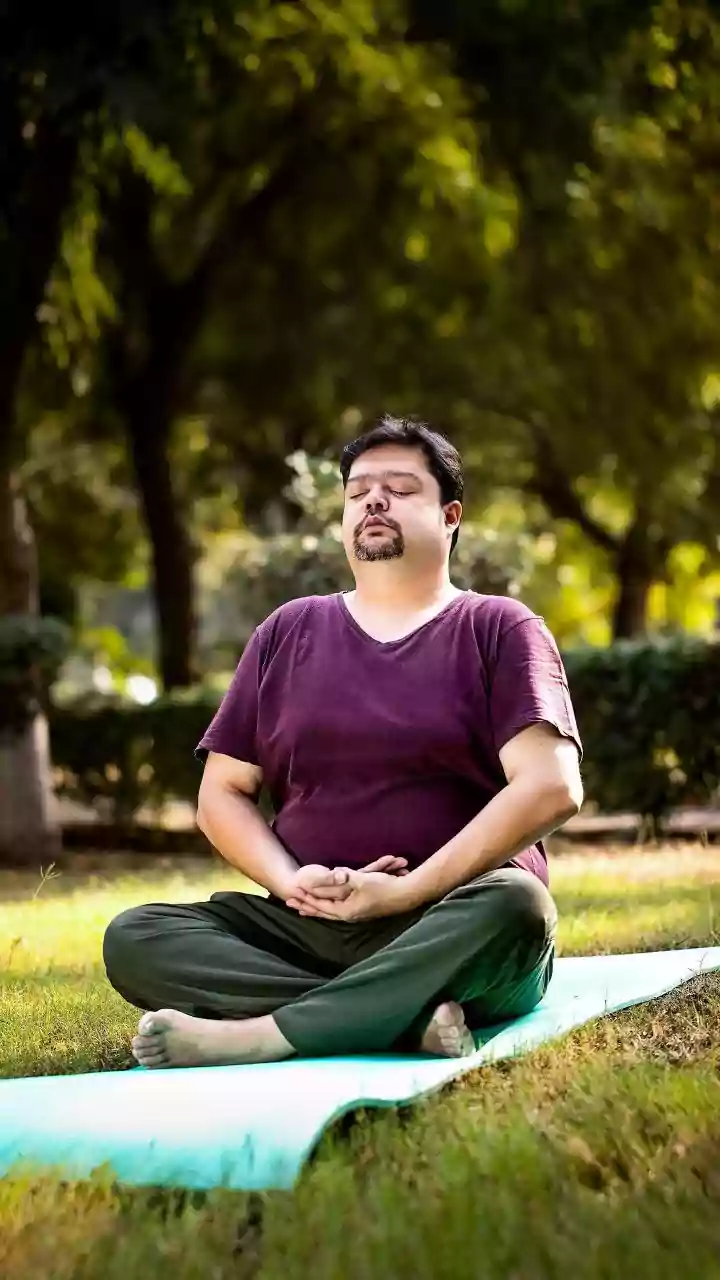
You don't need special equipment or a lot of time. In fact, consistency is more important than duration. Here’s a simple way to start: Find a comfortable position, either sitting in a chair with your feet on the floor or lying down. You can close your eyes or just soften your gaze. Now, bring your attention to your breath. Don't force anything. Just notice the air moving in and out of your body. Feel the gentle rise and fall of your chest or belly. Your mind will wander—that’s completely normal and expected. When you notice your thoughts have drifted to your to-do list or what to have for dinner, gently and without judgment, guide your focus back to the sensation of breathing. That's it. The entire practice is this act of noticing you've wandered and kindly returning. Try it for just three to five minutes to begin.
What It Really Feels Like (Spoiler: It's Not Always Blissful)
Many beginners start mindfulness with the expectation that their mind will become a blank, peaceful slate. This is perhaps the biggest myth. In reality, when you first sit down to pay attention to your breath, you might feel bored, restless, or even sleepy. You'll likely become more aware of just how busy your mind is. Thoughts will pop up constantly. This is not a sign of failure. In fact, it’s a sign that you are succeeding. The 'work' of mindfulness is not to empty the mind, but to notice when it has wandered and gently guide it back. Each time you return your focus to the breath, you are strengthening your awareness. So, don't be discouraged by a wandering mind, restlessness, or a desire to just stop. It's part of the process for everyone, from beginners to seasoned practitioners.
‘Am I Doing It Wrong?’ and Other Common Worries
It's common to wonder if you're 'doing it right'. The simple answer is: if you're trying to pay attention to your breath, you are. There are no other goals to achieve. You aren’t trying to feel a certain way, like calm or relaxed, though that may happen sometimes. The only intention is to observe what’s already here. Another common thought is 'it's not working'. Be patient. The effects of mindfulness are cumulative. It's recommended to practice for a few weeks before judging its impact. The point isn't for one five-minute session to solve all your problems. It’s about building a long-term resource that helps you become more aware and less reactive over time. Remember, this is a practice of kindness and curiosity, not pressure or perfection.