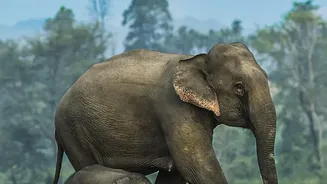

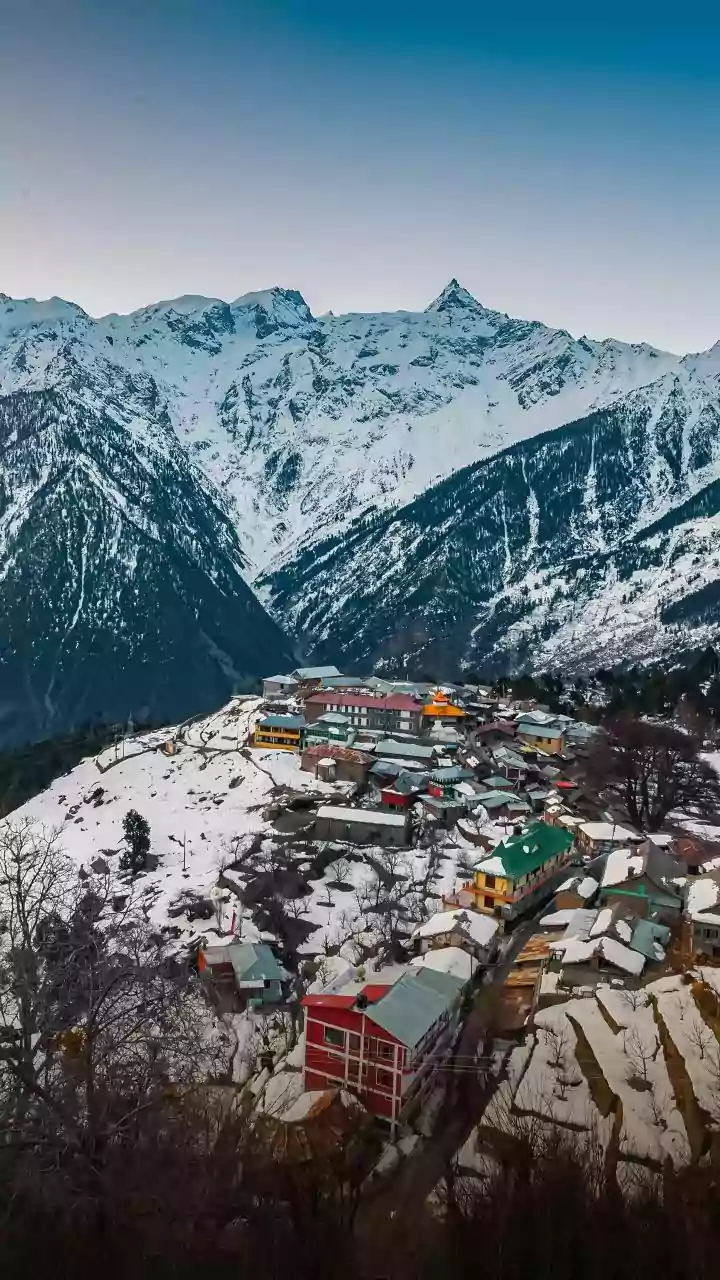



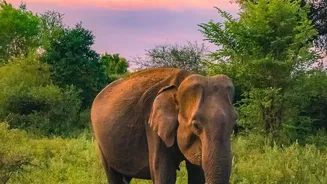

The thrill of a winter wildlife safari is no longer just about spotting a majestic tiger. A new wave of eco-conscious resorts is redefining the experience, blending the raw beauty of nature with the vibrant soul of local culture.
More Than Just a Jeep Ride
For decades, the Indian
wildlife safari was a straightforward affair: an early morning or late afternoon jeep ride into a national park with the singular goal of spotting iconic animals. While the allure of seeing a tiger or a leopard in its natural habitat remains powerful, today’s discerning traveller seeks something more. There's a growing desire for deeper, more authentic connections with the places they visit. This has prompted a shift in the hospitality industry, moving beyond simple accommodation to offer holistic experiences. Eco-conscious resorts near India’s premier wildlife sanctuaries are leading this change, recognising that the wilderness does not exist in a vacuum; it is intrinsically linked to the communities that live on its fringes.
The Sustainable Safari Blueprint
The term 'eco-conscious' extends far beyond saving water and avoiding single-use plastics. For leading wilderness lodges, it represents a comprehensive philosophy of responsible tourism. This blueprint is built on three pillars: environmental conservation, community empowerment, and authentic guest experiences. Environmentally, these resorts are designed for a low impact, often using local stone, reclaimed wood, and other sustainable materials in their construction. But the social component is just as crucial. These lodges actively engage with local villagers, understanding that the future of the forests is in the hands of the people who live alongside them. This partnership is where the integration of culture begins, turning tourism into a force for mutual benefit. By creating economic opportunities, resorts provide a powerful incentive for communities to become advocates for conservation.
How Culture Meets Conservation
So, how does a resort weave cultural performances into a safari package? The integration is often elegant and respectful. Instead of a loud, disruptive event, these are typically intimate gatherings that take place in the evening, after the day's safaris are complete. As guests settle in for dinner, the resort might host a troupe of local performers. In the buffer zone of a tiger reserve in Madhya Pradesh, this could be a mesmerising performance of Gond tribal dance. Near Ranthambore in Rajasthan, it might be the haunting songs and fluid movements of the Kalbelia community. These aren't just shows; they are platforms for cultural preservation. Resorts provide a dedicated space and a respectful audience, ensuring artists have a venue to practice their craft and share their heritage. The performers are compensated fairly, creating a direct economic link between the preservation of their cultural traditions and the tourism economy.
A Win-Win for Travellers and Communities
This model creates a powerful win-win scenario. For travellers, it transforms a great holiday into an unforgettable one. It offers a richer, more profound understanding of the region, connecting the wildlife they saw during the day with the human culture that has coexisted with it for centuries. It moves the experience from purely observational to genuinely immersive. For local communities, the benefits are tangible. It provides a vital source of income that is not solely dependent on agriculture or migrating for work. It fosters a sense of pride and helps keep ancient traditions alive, passing them down to younger generations. This economic empowerment is one of the most effective tools for conservation, as it directly links the well-being of the community to the health of the ecosystem they all depend on.