


The G1 Mission: A Crucial Uncrewed Flight
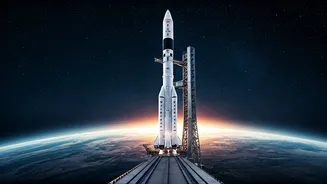
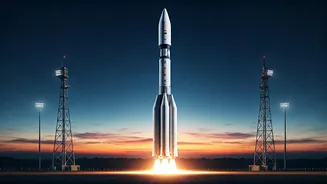
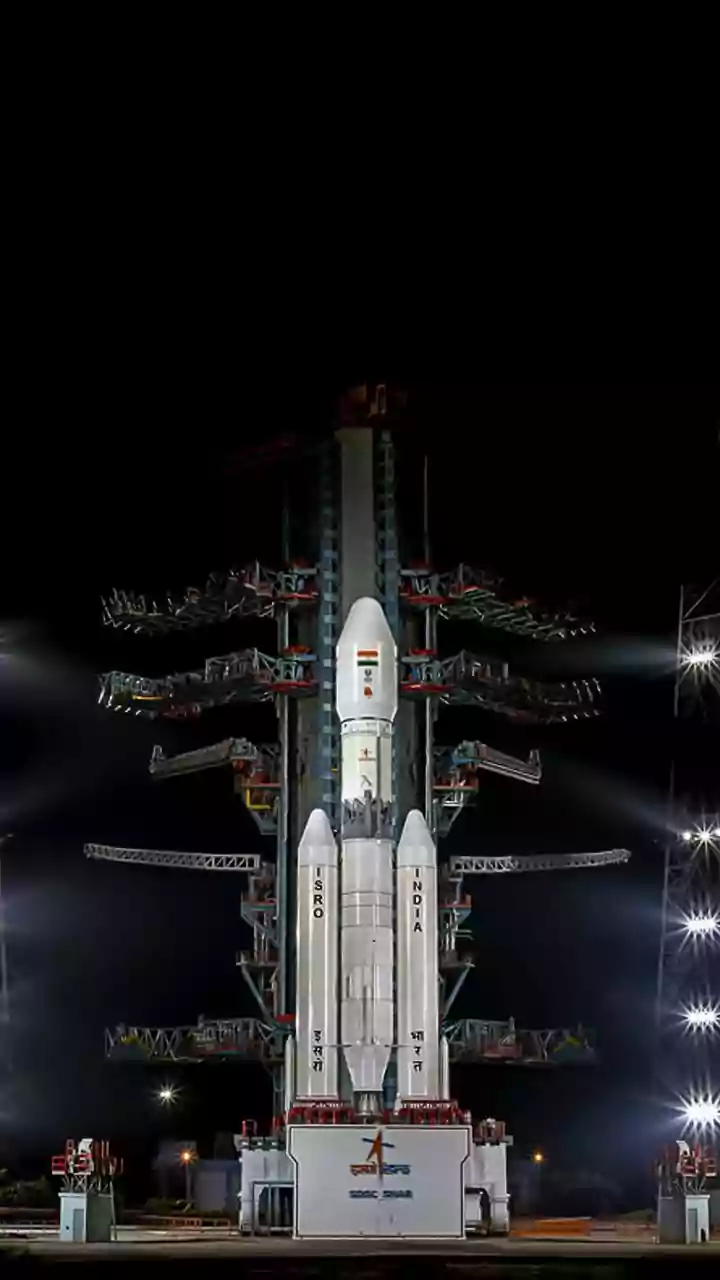
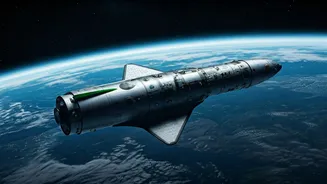
The next major milestone for the Indian Space Research Organisation (ISRO) is the first full-scale uncrewed flight, designated 'G1'. [9] This mission, anticipated for the second half of 2026, is the most comprehensive test of the Gaganyaan systems to date.
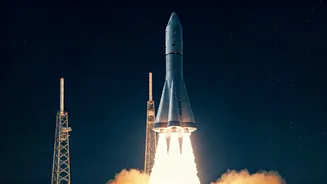
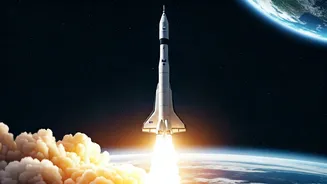
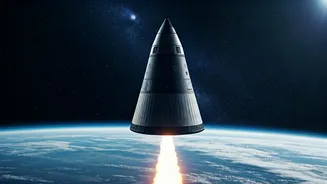
[5, 11] Unlike previous tests that focused on specific components like the crew escape system, the G1 mission will simulate a complete spaceflight from launch to splashdown, albeit without astronauts. [13] It involves launching the human-rated LVM3 rocket, placing the orbital module into a low Earth orbit of around 400 km, and then safely returning the crew module to Earth. [3, 9] This end-to-end trial is essential to validate the performance of all integrated systems before humans are put on board. [5, 9]
Meet Vyommitra: The Humanoid Stand-In
A key passenger on the G1 flight will be Vyommitra, a sophisticated female humanoid robot developed by ISRO. [7] The name, a combination of the Sanskrit words for 'space' (Vyoma) and 'friend' (Mitra), perfectly describes her role. [3, 4] Vyommitra is a 'half-humanoid', possessing a torso, head, and two arms, but no legs, suiting her role in the crew module. [4, 7] She is designed to mimic human functions, monitor cabin parameters like pressure and temperature, operate switch panels, and communicate with ground control. [1, 2] By simulating an astronaut's presence, Vyommitra will provide invaluable data on how the life support and environmental control systems perform in the harsh conditions of space, ensuring the capsule is safe for its future human occupants. [1, 4]
Why This Test is So Important
The G1 mission is more than just another test; it is a full dress rehearsal for India's first human spaceflight. Every aspect of the mission, from the performance of the powerful HLVM3 rocket to the precision of the re-entry and the deployment of the parachute system for a safe splashdown, will be under intense scrutiny. [5, 13] ISRO has already conducted over 8,000 ground tests and other preparatory trials, including integrated air drop tests using Chinook helicopters to validate the parachute system. [5, 18] The G1 mission brings all these tested components together for a real-world demonstration. [13] A successful flight will build immense confidence and pave the way for a second uncrewed mission (G2) and, ultimately, the first crewed flight (H1) planned for 2027. [5, 12]
The Path to Joining an Elite Club
Successfully sending astronauts into space and bringing them back safely is a feat achieved by only three nations so far: the United States, Russia, and China. [9] The Gaganyaan programme is India's ticket into this exclusive club. The mission aims to send a crew of three Indian astronauts, known as 'Gaganyatris', on a three-day mission in low Earth orbit. [3] This capability is not just a matter of national pride; it is a strategic asset that will open up new avenues for scientific research, technology development, and international collaboration. The programme is also a stepping stone towards even greater ambitions, including the establishment of the 'Bharatiya Antariksha Station' (Indian Space Station) by 2035. [5, 17]