




The New Definition of ‘Family Home’
For a growing number of urban Indians, a pet isn't just an animal that lives with them—it's a child, a companion, a core member of the family. This emotional shift, known as the 'humanisation of pets,' is driving a major trend in interior design and architecture.
No longer satisfied with simply buying a dog bed and a food bowl, today’s pet parents are thinking critically about how their homes function for every inhabitant, including the furry ones. They are asking architects and designers for spaces that are safe, durable, stimulating, and seamlessly integrate their pet’s needs into the home’s overall aesthetic. The demand is for a home that acknowledges a pet's presence from the ground up, not as an afterthought.
Flooring and Fabrics That Forgive
The foundation of a pet-friendly home starts, quite literally, from the ground up. Gone are the days of precious, easily stained carpets or flooring that scratches at the first sign of excited paws. Homeowners are now opting for durable, easy-to-clean materials. Vitrified tiles, luxury vinyl flooring, and laminate are popular choices as they resist scratches and are non-porous, making clean-ups after 'accidents' much simpler. On the furniture front, performance fabrics are a game-changer. Materials like microfiber, leather, or tightly woven canvases are more resistant to claws and fur. Many are treated to repel stains and moisture, meaning a muddy paw print is no longer a cause for panic. The goal is to create a living space where pets can be themselves without causing constant stress for their owners.
Creating Dedicated Pet Zones
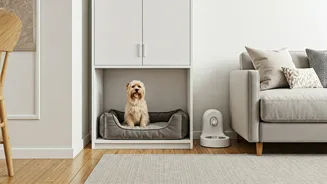
A smart pet-friendly layout understands that, just like humans, pets need their own designated spaces. This is about more than just placing a cushion in a corner. Designers are now incorporating 'pet nooks' into their plans. This could be a small alcove under a staircase turned into a cozy built-in dog den, or a dedicated feeding station integrated into kitchen cabinetry to keep bowls off the floor and out of the way. For cat owners, 'catios' (enclosed balcony spaces) and vertical wall shelves or 'cat highways' are becoming popular, providing safe stimulation and territory. Another increasingly common feature, especially in larger homes or farmhouses, is a dedicated 'mudroom' or washing station near the entrance, complete with a low-set showerhead to wash off muddy paws before they track dirt through the house.
Prioritising Safety and Well-being
A key driver for smarter layouts is pet safety. In urban apartments, this is a paramount concern. Pet parents are demanding secure balconies and windows, often installing invisible grills or durable mesh nets that prevent falls without obstructing views or light. Cords from blinds and electronics are being hidden or managed to prevent chewing or entanglement. The choice of indoor plants is also more considered, with homeowners actively avoiding species that are toxic to dogs or cats, such as lilies, sago palms, and certain philodendrons. This focus on safety extends to creating a sense of security for the pet, with quiet, comfortable retreat spaces where they can go to feel safe during thunderstorms or noisy festivities.
Seamless Integration, Not Segregation
Ultimately, the trend isn't about creating a separate 'pet house' within a human house. It's about thoughtful integration. It’s about choosing a coffee table with rounded edges to prevent injuries during a case of the 'zoomies'. It’s about designing storage solutions that keep pet food fresh and toys tidy but accessible. It’s about ensuring there's enough floor space for a game of fetch, even in a compact Mumbai flat. This holistic approach views the needs of pets and humans as interconnected. A well-designed home reduces stress for everyone, minimizes cleaning time, and fosters a more harmonious environment where every family member, regardless of species, can thrive.